Take control of technology spending by implementing an effective and practical IT financial management framework that eliminates waste & redundancies.
Take your revenue tracking and forecasting to the next level with Tempo Financial Manager.

A project manager's job comes down to two numbers: quality and cost. Hit both, and you deliver the plan on budget with a return the business can defend. Miss either, and no one remembers the Gantt chart.
Controlling a project's fiscal resources takes more than setting a budget. It takes ongoing oversight — monitoring spend in real time, planning ahead, and putting risk controls in place before the overrun shows up in a board deck.
That's a lot of work, and financial management tools like Tempo's Financial Manager exist to carry most of it. Here's how to manage a project's assets and protect its financial stability so your team delivers strategic goals without blowing the budget.
Financial oversight is the practice of monitoring project resources so the cost of hitting strategic objectives stays inside the approved budget. It gives the project manager a way to safeguard assets, optimize financial performance, and catch potential misuse of funds early. It also creates visibility into financial relationships and transactions, which builds transparency, accountability, and alignment with project goals.
Together, these actions keep a project financially healthy and sustainable.
Project managers oversee five components to keep a project financially stable:
Setting the budget is step one. During planning, the team builds a fiscal blueprint that outlines the cost of every asset needed to deliver the project's outcomes, including:
Labor
Materials
Equipment and technology
Overhead
Financial data from past projects lets the project manager forecast how the current initiative will perform. Those insights drive decisions and help the team anticipate future expenses and revenues.
Historical data also surfaces likely financial risks. The project manager uses it to build mitigation strategies that protect assets and head off cost overruns before they hit.
To keep work inside the budget, leaders review and manage spend across the project lifecycle using a mix of digital tools. Common financial monitoring applications include:
Spreadsheets
Accounting software
Project management tools, like Jira
Real-time fiscal monitoring tools, like Tempo's Financial Manager
These tools also make it easier to comply with regulatory and government policies, giving audit committees the analytics they need to assess adherence.
Project managers also have to communicate budgetary health to stakeholders. Financial management reports show the current fiscal state of the project and the forces shaping it. With that view, managers can adjust the budget or the plan and blunt the impact of financial pressure.
Once the budget is set, the project manager has to install checks and balances to control team spending. Oversight comes down to four activities:
1. Defining roles: If the team is split into smaller working groups, assign oversight responsibilities to a member with the right expertise. Separating financial duties keeps any one person from having unchecked control over the budget, which reduces the risk of discrepancies and misuse of funds. 1. Implementing financial controls: Establish policies and processes to approve expenditures and prevent or detect accounting errors and fraud. 1. Creating cash flow statements: Schedule expected expenditures and maintain a process for reviewing and assessing spending. Accurate financial monitoring shows cash inflow and how the team is using available funds. 1. Maintaining transparency: Use cash flow statements to report project spending and revenue to stakeholders on a regular schedule.
A rigorous oversight process does more than keep a single project on budget. The longer-term wins include:
Better decision-making: An accurate view of fiscal health lets stakeholders make informed calls about future strategy.
Decreased project risk: Reviewing financial data from past projects exposes risks early, preventing overruns and incorrect billing while shaping mitigation plans for future initiatives.
Improved resource management: Oversight ensures critical work gets the resources and funds it needs to produce required deliverables.
Enhanced bottom line: A financially healthy project lowers capital costs across its lifecycle, improving profitability and return on investment.
Organizational growth: When projects stay under budget, the company avoids dipping into reserves and can direct those funds toward innovation and growth.
Increased corporate revenue: Delivering a project inside its budget generates positive return and lifts overall revenue and profit.
Spreadsheets and accounting software can hold the line for a while, but they lean on manual data entry and manual math. That opens the door to errors that compromise both compliance and budget stability.
A comprehensive oversight solution like Tempo's Jira-integrated Financial Manager brings automated, real-time reporting into the workflow. Fewer manual steps means fewer errors and cleaner compliance.
Real-time tracking also gives project managers four capabilities that spreadsheets can't match:
Real-time cost tracking shows project spending as it happens. When the team overspends, the project manager can step in and adjust the budget before a small variance turns into a real problem.
Financial data collected inside the app lets project managers predict future spend rates and estimate whether the remaining budget covers the remaining work. If it doesn't, they can shift funds from nonessential tasks toward strategic work or go back to stakeholders for more capital.
Up-to-date information gives the project manager and stakeholders a base for data-informed decisions. That reduces project risk, sustains business growth, and improves outcomes.
Real-time reporting gives stakeholders a clean view of how the company manages its money. Suspicious spending patterns and waste surface faster, so leadership can act quickly and protect company assets.
Oversight responsibilities are critical, but they don't have to be laborious or stressful. Tempo's Financial Manager plugs into your Jira stack and takes the manual work off the project manager's plate so they can focus on delivering outcomes.
Financial Manager pushes real-time financial data straight to the user's dashboard, delivering instant insights and streamlining stakeholder reporting. Leadership gets everything it needs to control costs across the entire strategic portfolio, and budget overruns lose their easiest hiding places.
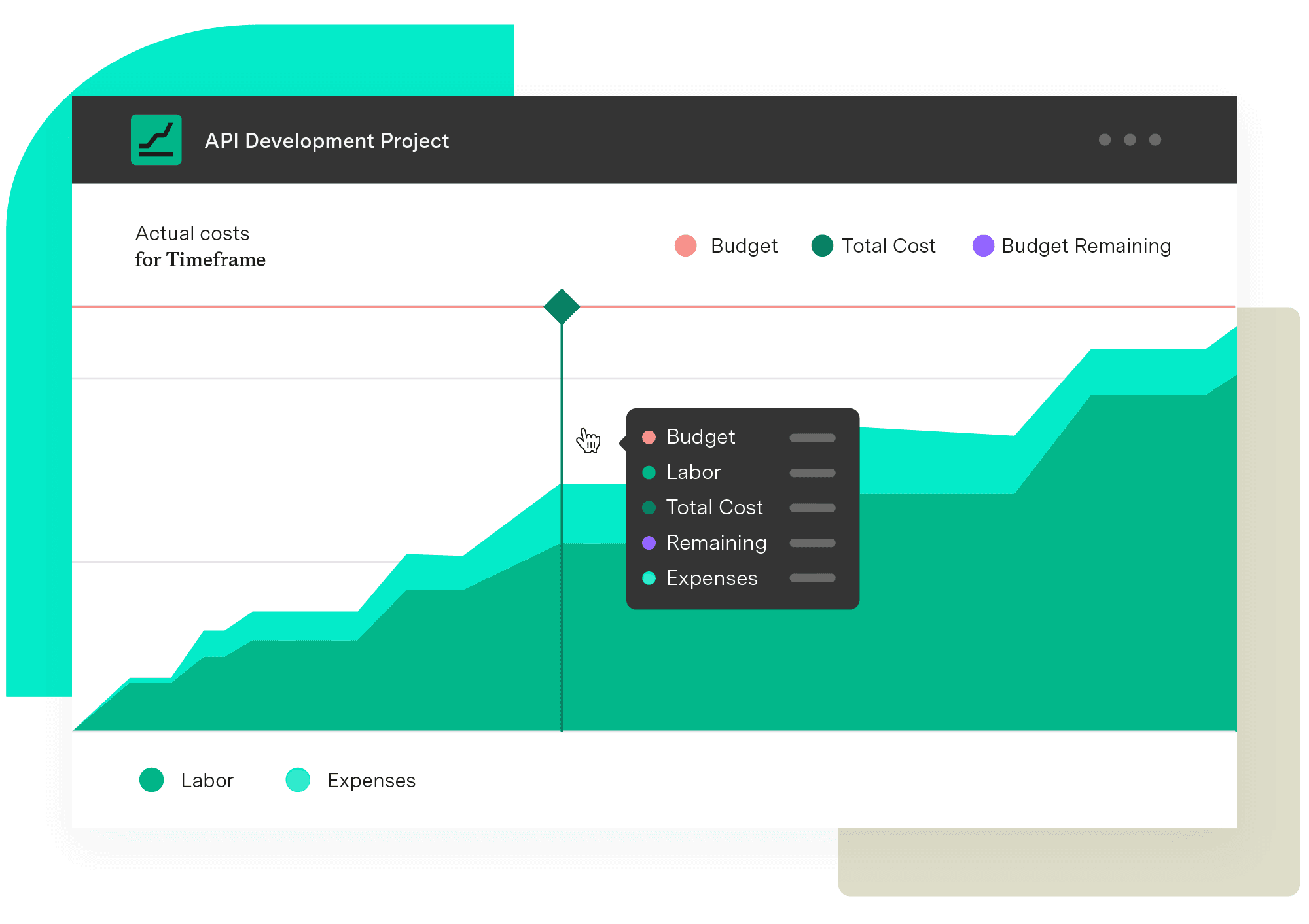
Financial Manager
Implement standardized processes and calculations when creating your budgets and monitoring them. Make informed, real-time decisions with an accurate reflection of the work being done and know when you need to pivot.
Start a Free TrialCouldn't find what you need?Go to our documentation
Financial oversight ensures factual accounting data and reporting. With this information, decision-makers can accurately evaluate all the factors, increasing the likelihood of reaching a conclusion that will benefit the company.
The primary components of financial oversight are: Budgeting Financial forecasting Expense tracking Financial reporting Risk assessment
Financial oversight benefits a project’s finances by: Providing transparency Facilitating data-informed decision-making Identifying trends Ensuring regulatory compliance Fostering communication
Take control of technology spending by implementing an effective and practical IT financial management framework that eliminates waste & redundancies.

Perfect the basics of project financial management to improve project outcomes, customer satisfaction, and your business’s bottom line.

Learn how to draft sound financial reports to track organizational performance and make sound business decisions that safeguard the company’s future.

Learn how project budget tracking contributes to financial success by reigning in spending, controlling costs, and ensuring accurate estimations.

CapEx vs. OpEx explained: 7 key differences, how to balance both budgets, and the classification mistakes that trip up most finance teams.

Learn how incorporating a decision log into your project management process can smooth communication and build alignment behind your choices.

Learn how to leverage project management process groups and their related knowledge areas to create a framework that delivers consistent outcomes.

Project controls standardize your team’s process for great outcomes every time. Here’s how to use them to your advantage.

Stay on top of project progress by integrating RAG status reporting in your process to help everyone understand how the team is performing.