Scrum provides a framework for individual teams to collaborate. But how can multiple teams use scrum together? The answer is Scrum at Scale.

The agile method of project management has been around since 2001, when programmers first applied the framework to software development. Since then, its iterative approach has proved so adaptable and successful that professionals in various industries have adopted the agile methodology to streamline their work. Some companies have even gone so far as to apply the framework to departmental and organizational functions, a process called “scaling agile.”
Being Agile at Scale empowers an organization to respond quickly to changes in the marketplace and evolve its practices to remain competitive. This approach streamlines workflows, eliminates bottlenecks, and optimizes resource allocation to create a dynamic and capable team.
Read on to learn more about Agile at Scale and how the framework can benefit your company.
Traditional project management takes a linear approach to product development. You must complete each phase before moving on to the next.
This methodology is known as the waterfall model, where a team plans, builds, and tests a product before its release. The approach is sequential and rigid, with little room for iteration or changes after a phase ends. This often excludes input from the client, stakeholder, or end-user, meaning they may not know what the final product will look like until delivery day.
In projects developed using the agile methodology, tasks are divided and assigned to several multi-disciplinary, cross-functional teams known as scrums. Scrums work simultaneously to develop and test project components. The work is iterative, taking place over 2–4 weeks (a period referred to as a sprint). Daily scrum meetings update all stakeholders, including clients and end-users, on work completed, changes to project plans, and potential roadblocks.
An agile project is much more flexible than one managed using traditional methods. If client feedback or development issues require a shift in scope or timeline, adjustments can happen at the beginning of the next sprint. The iterative approach maintains project alignment and keeps teams on track to launch minimally viable products that can be quickly improved, updated, and re-introduced based on audience or client feedback.
Given agile’s success in the IT realm and the prevalence of technology in modern business, companies began to experiment with the approach. Could they adapt agile to other disciplines and apply it to functions at the enterprise level?
The answer is yes, and the result is known as “Agile at Scale.”
Scaled agile extends the methodologies used by small teams to a broader organizational level, allowing multiple teams to collaborate seamlessly on large-scale projects. In traditional agile, small teams work independently and prioritize incremental development, continuous integration, and stakeholder feedback.
But in larger organizations with multiple teams working on interconnected projects, coordination and alignment become crucial to achieving efficiency and avoiding conflicting efforts. To address these challenges, companies that are Agile at Scale introduce additional frameworks and practices designed to support collaboration, coordination, and alignment across multiple agile teams.
Markets are constantly in flux. Your company needs to adapt quickly to changes in its industry and the evolving needs of its clients. By scaling agile, your business can adopt a flexible organizational framework that permits adaptation, innovation, and rapid response to shifting economic factors and customer requirements.
The scaled agile framework delivers the fluidity organizations need to stay competitive in an ever-changing marketplace. Incorporating the agile method into business practices:
Allows companies to streamline project development, reducing the time it takes to deliver solutions to stakeholders or customers
Builds agility into the organization, allowing teams to react quickly to new information or market forces
Enables the company to provide customizable solutions rather than a one-size-fits-all product, increasing satisfaction and converting new clients into repeat customers
Grants product teams the necessary latitude to develop unclear answers to complex problems and then make adjustments after defining the issue
Transformation to an agile framework at the enterprise level isn’t without its challenges. Successful adoption requires a fundamental shift in company culture and the organizational mindset. It means letting go of some control and trusting project teams to be disciplined and trustworthy enough to perform at their peak and deliver the best work possible without constant oversight.
Other agile scaling concerns include:
Transitioning from top-down management to decentralized decision-making
Establishing alignment and transparency around company goals and the division of labor
Ensuring seamless teamwork by striking a balance between autonomy and cross-team dependencies
Delivering products on a lean timeline and perfecting them incrementally after they hit the market
Gathering input across business teams, stakeholders, clients, and/or end-users
Updating communication systems to enable transparency and facilitate information sharing
Scaling Agile, also known as Enterprise Agile, is a strategic approach that expands Agile principles to tackle intricate projects involving multiple teams. Its central emphasis lies in fostering collaboration, alignment, and efficiency throughout an entire enterprise.
While Agile at Scale remains committed to core Agile principles such as customer value, iterative development, and self-organizing teams, successfully implementing it organization-wide demands significant scaling up. The key lies in leveraging the right tools to support the process.
Develop your portfolio vision with Strategic Roadmaps, which simplifies planning with boardroom-ready roadmaps. This means you can communicate your strategy to the entire organization.
Paired with Strategic Roadmaps, Structure consumes the high-level portfolio objectives and organizes them by theme, and can be extended into the lower levels of the hierarchy — capabilities, features, stories, etc. — as per normal Jira issue management.
Adopting Agile at Scale is a challenge for any organization, but getting it right is worth the effort. Implementing the right toolkit is a crucial step toward setting your organization up for success.
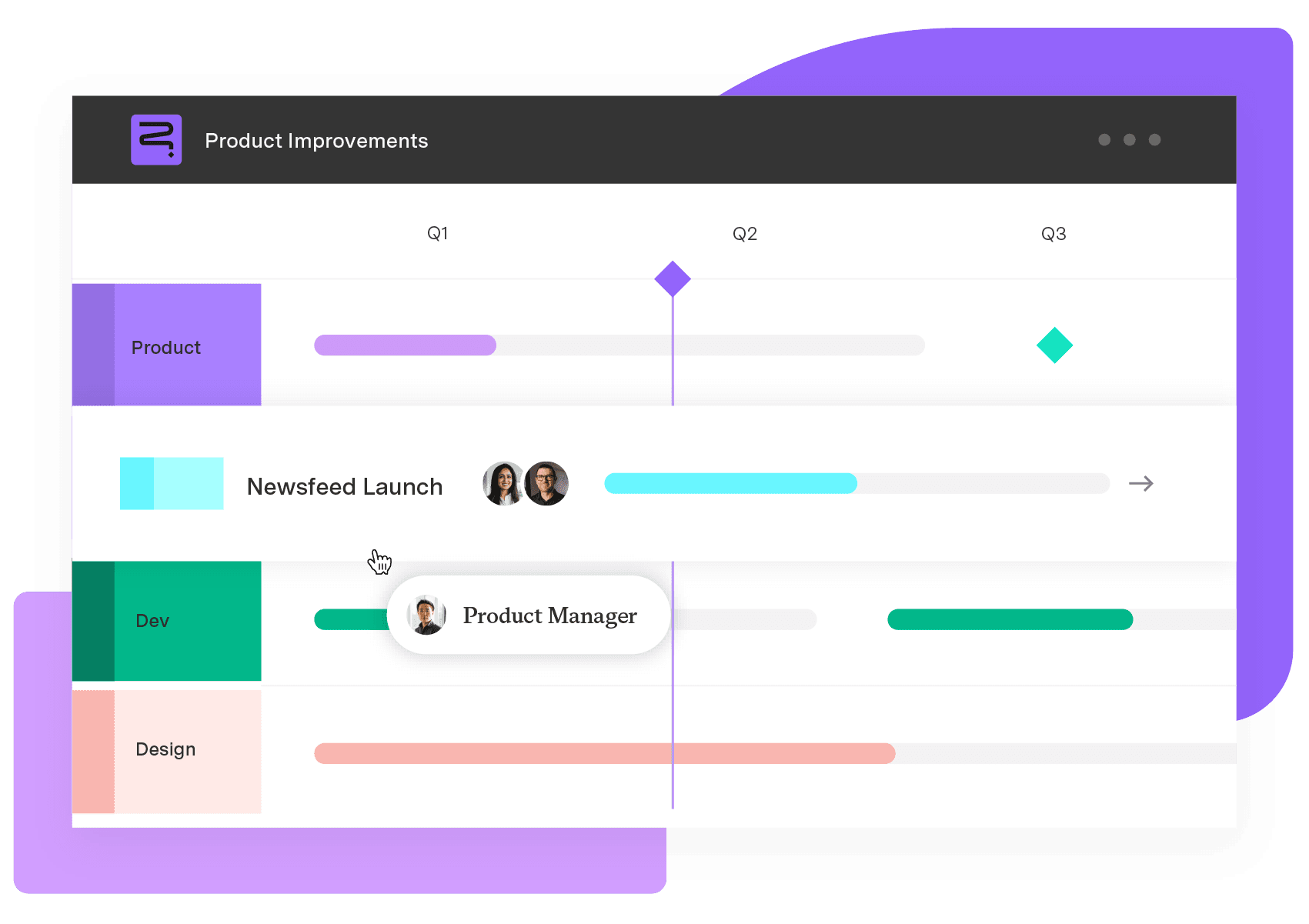
Strategic Roadmaps
Build your portfolio vision with Strategic Roadmaps. With powerful visualization capabilities, you can communicate strategy to the entire organization and gain alignment around strategic objectives, product goals, and milestones.
Start a Free TrialScrum provides a framework for individual teams to collaborate. But how can multiple teams use scrum together? The answer is Scrum at Scale.

Learn everything you need to know about implementing Agile at Scale. Discover strategies to overcome resistance and ensure your success.

Is your organization scaling up its agile practice? Then it’s time to implement Scrum of Scrums to keep cross-functional groups aligned and productive

Learn how backlog refinement at scale keeps your agile team working on tasks that align with business goals & provide an enhanced customer experience.

Knowing which Agile at Scale metrics will best track your team’s productivity and success helps you set realistic KPIs and improve performance.
Take the fear out of scaling agile. Thanks to these agile case studies and best practices, you’ll discover secrets behind successful scaling efforts.

What is traditional project management? Discover the tools of the project management trade and whether they have a place in your current practice.

Learn step-by-step processes for Agile release planning, overcome common challenges, and discover how to deliver value faster with practical tools.

Transform your operations management for the better with this guide to aggregate planning. Learn how it can help your organization thrive.