Check out these six tips for successful project delivery. Let’s examine six fundamental lessons for successful project delivery.
Discover 13 tips to help you deliver on schedule and within budget without stressing your team.

Everyone from upper management and sponsors to team members wants a successful project. However, each group defines success differently.
A successful project manager must decipher those meanings to balance diverging requirements and deliver on various expectations. Project sponsors likely want the problem solved, whereas the C-suite may expect a positive return on investment. The project team typically seeks a smooth execution with as little stress as possible.
Learning how to manage projects effectively means understanding the available implements, techniques, and methodologies so you can fulfill everyone’s expectations. The following project management tips will help you select the correct methods and means for any job.
A dedicated PM constantly expands and improves their practice by exploring new project management methodologies. Numerous project management tools exist to support your work and help you deliver better outcomes.
The following methods and tools will help you excel as a project manager. However, these suggestions are starting points that may not work for every project. Critically examine each point before adding it to your project management toolbox and seek team feedback to determine if it’s valuable to them. Keep tips that don’t apply to this project in mind for the next one.
When you try something new and remain open to constructive criticism,you grow your project management skills and become more adept at meeting everyone’s expectations, from project sponsors to upper management and team members.
Successful outcomes are impossible without thorough preparation. These project planning tips will set you up for success:
Each project management approach – Kanban, Scrum, or Traditional (aka waterfall) – provides a unique set of project management tools. It’s your job as the project manager’s job to identify how they’ll support your team and project’s needs.
Traditional (waterfall) project management: Useful when the team has a fixed project scope and precise requirements.
Scrum: Best for agile teams that must work iteratively with ongoing feedback loops.
Kanban: Ideal for project teams requiring work-in-progress visibility and flexible workflows that allow continuous improvement.
Hybrid: A hybrid framework combines two or more project management methodologies to suit unique outcomes or team needs.
The framework PMs choose guides every step of the project life cycle, so this decision is crucial.
Project teams need a precise understanding of project goals and their relationship to organizational strategies to maintain effectiveness. The best way to provide this level of clarity is by defining project goals according to the SMART framework:
Specific: Itemizes the exact outcomes the team will deliver.
Measurable: Defines and quantifies metrics for team success.
Attainable: Ensures the team can deliver with the available time, resources, and skills.
Relevant: Establishes project outcomes aligned with long-term organizational goals.
Time-bound: Provides a timeline and delivery date to monitor progress.
SMART goals direct team efforts, helping members focus on priorities and targets. Goal-setting guides every subsequent decision leading up to delivery, including resource allocation, problem-solving strategies, and change management plans.
Members of a well-rounded project team are familiar with each other’s skill sets, talents, and personality traits. Their qualities should mesh to shore up potential weaknesses and form a cohesive unit capable of problem-solving and innovation.
PMs evaluate everyone’s skills before creating a work breakdown structure (WBS). This document describes the project’s scope, deliverables, and outcomes, dividing them into smaller, manageable tasks. Project management uses the WBS to determine who is responsible for each component, as well as delivery timelines and resource allocation.
Craft a project schedule, including deliverable milestones and deadlines, to give your team adequate time to complete each task while managing stakeholder expectations. The schedule should identify task dependencies to help you allocate resources where they’re needed most.
A schedule also enables project managers to monitor progress, keeping the team on track toward the final deadline.
Project managers need help keeping an eye on every task and deadline. Project management software makes monitoring easier and increases the likelihood of a successful delivery. It also supports the team by organizing workflows and opening communication channels.
Many software solutions provide templates for common project documentation to streamline the project management process while reducing the likelihood of errors or missed steps. There are project management templates for various processes, including:
Gantt Charts
Work breakdown structures
Change management plans
Communication plans
Project plans and budgets
Risk mitigation plans
Project management apps vary widely, so test them thoroughly before integrating a new solution.
Execution is when the rubber hits the road. The following suggestions will make the ride smoother for everyone:
Most PMs believe communication is the number one contributor to achieving organizational objectives. A successful project depends on the free flow of information between project participants – stakeholders, management, and staff. Without it, the team becomes inefficient, collaboration stagnates, and engagement drops.
Project managers can avoid these outcomes with the following tactics:
Reinforcing alignment, deadlines, and deliverables through regular team meetings
Leveraging real-time messaging tools to boost engagement
Providing stakeholders with regular progress updates
Establishing an active listening practice to facilitate the integration of multiple viewpoints into your decision-making process
Time is your most precious resource. It’s up to project management to use it wisely.
Maximize the time available to the team by estimating timelines for individual tasks while considering dependencies and roadblocks. Then, produce a realistic schedule that allocates enough time to accomplish everything without pushing past established milestones and deadlines. Finally, continuously monitor task duration to ensure everyone produces deliverables on schedule.
Project management generates a lot of data, which can overwhelm leadership. Establish and monitor key metrics and KPIs to keep progress on track and meet required outcomes.
One of the best tools for monitoring progress is the Gantt Chart. Gantt Charts identify where you are within the project schedule and uncover potential delays and roadblocks. The data they produce allows the project manager to course-correct before a threat negatively impacts timelines.
Surprises are rarely a good thing in project management. Thankfully, there are processes and tools to identify potential risks so you can address them proactively and avoid common project management mistakes.
Risk identification modalities include:
Brainstorming
SWOT analysis
Root cause analysis
Historical data analysis
Each technique assesses the likelihood of a risk, such as scope creep, contractor delays, or resource disruptions, and evaluates its potential impact. Project teams use this information to develop mitigation strategies and contingency plans.
A comprehensive project plan is crucial to success, but you’ll need sharp team management skills to implement it. Here are some suggestions to boost performance:
As the project manager, you should be respectful, open, and adaptable if you expect the same behavior from team members.
Micromanaging team members is time-consuming and ineffective. Instead, allow them to organize their workflows. Monitor outcomes, stepping in only when asked or when it’s evident roadblocks are affecting productivity.
If you put yourself in a team member’s position, you’ll better understand their challenges, helping you collaborate on a solution. A compassionate leader who considers team members’ professional goals motivates peak performance.
Project management is a demanding profession. Excessive overtime will lead to burnout, lowering your effectiveness and risking failure. And as a role model, you don’t want the group to follow your example.
Delivering a successful project is challenging, but Tempo’s project management software suite gives you all the tools you need. Start with Strategic Roadmaps to help visualize project objectives and prioritize action items. Structure PPM monitors progress, assisting teams in managing project roadblocks and adjusting timelines. Finally, Tempo’s Timesheets application allows project managers to track task duration and resource use, ensuring the group optimizes effort.
Tempo puts successful project delivery within reach.
Strategic Roadmaps
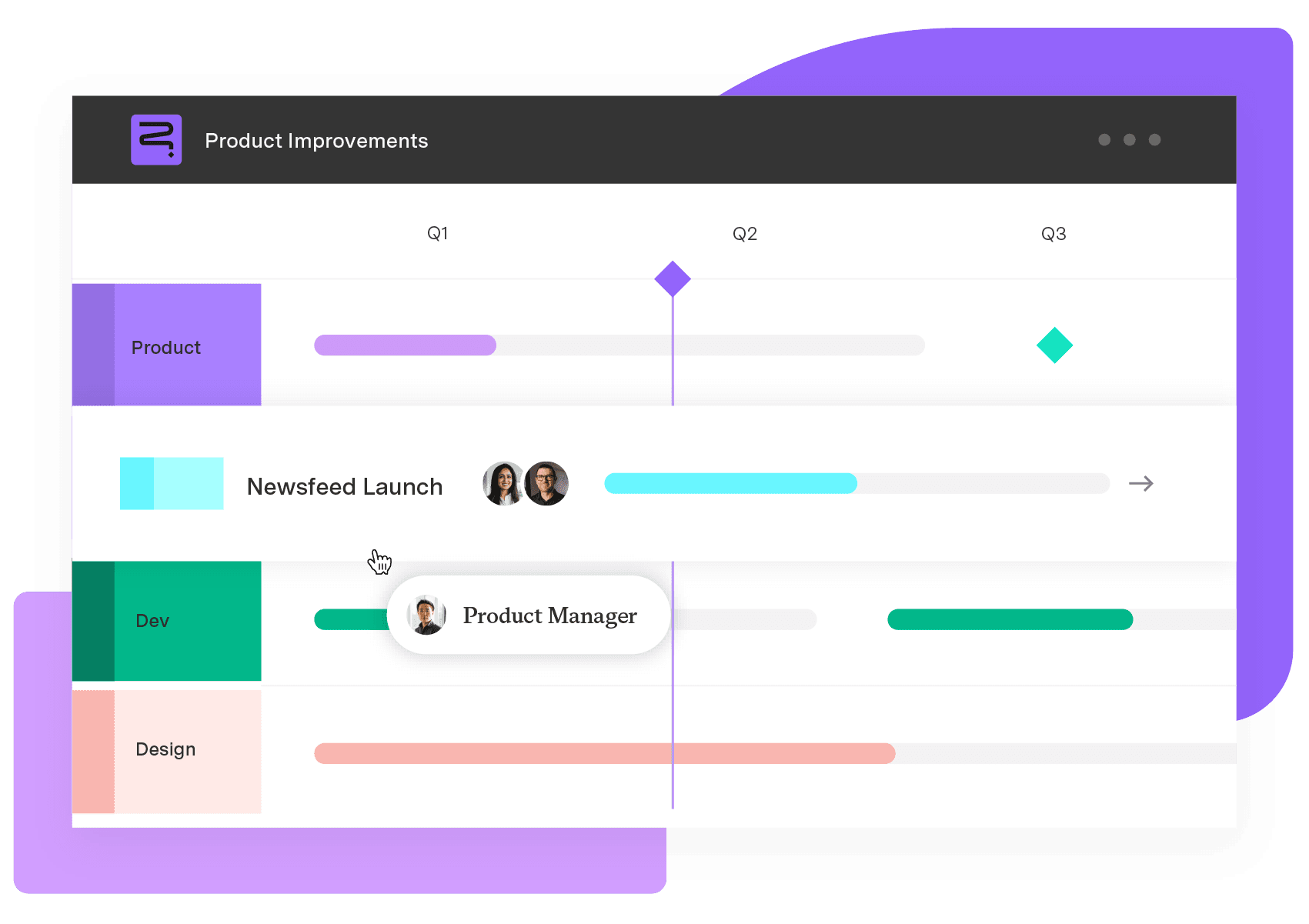
Build your portfolio vision with Strategic Roadmaps. With powerful visualization capabilities, you can communicate strategy to the entire organization and gain alignment around strategic objectives, product goals, and milestones.
Start a Free TrialCheck out these six tips for successful project delivery. Let’s examine six fundamental lessons for successful project delivery.

Explore essential tips for successfully adopting an online project management tool in your business to enhance collaboration and efficiency.

Discover smart tips for accidental project managers to navigate challenges and lead projects effectively, even without formal training.

PMing for a tech team is tough. Check out the most important project management tips that will make you a more successful manager in the tech industry

Learn resource planning to increase the likelihood of project success. Deploy company assets and workers to deliver outcomes on time and under budget.

When facing delays or tightening your project timeline, fast tracking sets you up to deliver. Learn more about this schedule compression technique.

Vague goals and poorly defined requirements won’t hold you back once you incorporate rolling wave planning into your project management toolkit.

Tips, benefits, and tools for reducing risk and optimizing your Jira project portfolio management with Tempo.
These risk management tips can help you during the planning & execution of your project's timelines, costs, or quality as they may change.