A TOWS matrix expands on the SWOT analysis to showcase how various factors affect each other. Discover the pros and cons of this method.

Effective planning requires a strategic process.
There’s so much to consider, like current and future goals as well as your team’s strengths and weaknesses. And having a systematic process ensures you address every factor that affects the company’s success.
It’s no wonder the SWOT analysis is such a well-loved tool for organizational planning. But, while this method offers insights into a company’s strengths, weaknesses, opportunities, and threats, there are alternatives to the SWOT analysis that might better suit your needs, like SOAR or NOISE. These are just two of several options you might employ depending on the context.
A SWOT analysis is a strategic planning tool that helps businesses analyze their current market position. Leadership teams typically work together to evaluate the following factors:
Strengths: These positive qualities give an organization an advantage over others.
Weaknesses: These qualities disadvantage a company.
Opportunities: These are improvement areas, like more efficient organizational changes and better market conditions, that could benefit the business.
Threats: This includes any risks to a company’s success.
The primary goal of conducting a SWOT analysis is to thoroughly understand where your company sits market-wise. You can then create a more accurate strategic plan that leverages your strengths, works on improving weaknesses, reaches for opportunities, and mitigates threats.
The key advantage of this analysis style is that, while simple to follow, it offers you a comprehensive view of the company’s standing. But this method only provides a static picture that might not reflect dynamic market conditions. And it may overlook certain aspects of the business that other less simplistic methods reveal.
Here are a couple more weaknesses of this approach:
It doesn’t prompt teams to consider solutions to issues
It lacks a mechanism for determining critical success factors
It relies heavily on currently available data, making your analysis susceptible to a lack of information
To combat the above weaknesses, you might pair your SWOT with another method or simply swap out the approach entirely. Here are seven excellent techniques that suit various business needs.
SOAR asks leaders to analyze a company’s strengths, opportunities, aspirations, and results. When comparing SWOT versus SOAR, this method is more positivity-focused, only touching on a company’s potential rather than any weaknesses or threats. This focus encourages organizations to leverage their strengths and opportunities to achieve desired results, and it offers a forward-thinking perspective that might foster a more positive and motivated workforce.
The NOISE technique — needs, opportunities, improvements, strengths, and exceptions — helps organizations identify opportunities and improvement areas. Without using potentially negative language like “weaknesses” and “threats,” this tactic prompts teams to consider gaps they can fill to perform better. And the “exceptions” category pinpoints what’s already happening regarding the other four areas. If you’re already working toward filling a need, for example, you’d consider this an exception.
To encourage a people-first company culture, you might prefer the SCORE analysis over others. This method prompts teams to analyze the company’s strengths, challenges, opportunities, relationships, and efforts. It’s much like the SWOT analysis but also highlights how coworker and stakeholder relations are doing and the effort workers contribute.
This analysis type focuses on considering the impact the following five competitive forces have on a business:
Industry competition
Potential of new industry entrants
Supplier power
Customer power
The threat of substitute products
After considering how these five forces affect your team’s success, you can leverage these insights to create more strategic plans that offer your company a competitive edge.
PEST analyses focus on the political, economic, social, and technological factors that affect a business. They offer a broader understanding of your internal operations as well as the external factors that influence the company’s short and long-term goals. And you might broaden this further by conducting a PESTLE analysis that considers legal and environmental conditions.
Teams often pair SWOT and PEST analyses, using the former to examine internal factors and the latter to understand broader external influences. And conducting them alongside each other means you can leverage the insights on both sides to gain a more comprehensive understanding of the business’s trajectory.
Teams use a GAP analysis to understand where they are and what they require to reach their ideal future state. You’ll typically start this analysis by determining current logistics, like the company’s number of employees and clients and current yearly revenue stream. Then, you’ll define your ideal future, focusing on a certain time frame, like one, three, or five years. You’ll compare this information to identify gaps and create action plans for filling them.
The McKinsey 7-S model offers a holistic and comprehensive understanding of an organization, breaking it down into seven key elements:
Strategy
Structure
Systems
Skills
Staff
Style
Shared values
Working with the leadership team, you’ll discuss the current state of each of these seven elements and find ways to achieve alignment throughout. The trick to effectively leveraging this analysis method lies in understanding how each factor affects the whole — and what you’d like this whole to look like.
No matter your chosen analysis method, boost your strategic planning process with Tempo’s tools. Post-analysis, use Strategic Roadmaps to create roadmaps that address your new-found insights. Then, try Tempo’s Custom Charts and Portfolio Management to clearly document your company analyses.
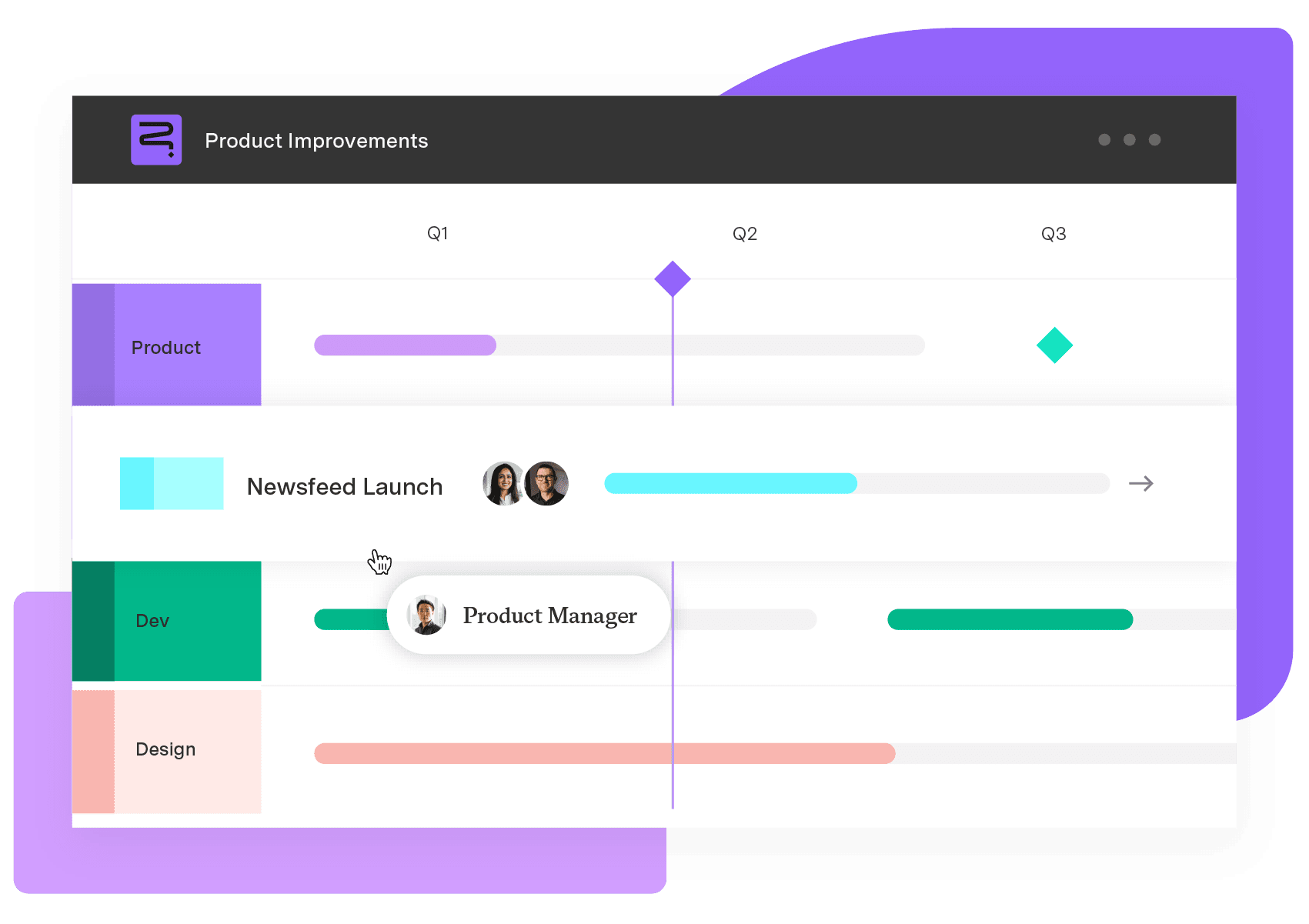
Strategic Roadmaps
Build your portfolio vision with Strategic Roadmaps. With powerful visualization capabilities, you can communicate strategy to the entire organization and gain alignment around strategic objectives, product goals, and milestones.
Start a Free TrialA TOWS matrix expands on the SWOT analysis to showcase how various factors affect each other. Discover the pros and cons of this method.

Learn how a PEST analysis can help your team manage crises when the business faces external challenges, such as political or technological shifts.

A gap analysis can help your company determine what actions to take for improvement. Bring your practices from average to the next level of success.

Learn how to write a SWOT analysis that gives you a competitive advantage and helps teams turn insights into confident, informed decision-making.

Discover eight strategy frameworks to drive business growth, optimize decision-making, and gain a competitive edge. Find the perfect model for you.
Explore our guide on how to write a SWOT analysis, see how it looks in practice with a real-world example, and discover this tool’s benefits.

Discover the McKinsey 7-S model, whether it’s right for your organization, and its pros and cons. Five-step guide for successful 7-S implementation.

Spotify’s agile model propelled the company to become the world’s most popular music streaming service. But should other companies follow its example?
You’ve spent lots of time and energy developing a strategy for your business. Put it to work with a strategy implementation plan that engages everyone