
What is compliance and risk management?
Compliance and risk management is the practice of identifying the laws, regulations, and contractual obligations an organization is subject to, assessing the risks of non-compliance, and operating controls that keep the business inside the lines. In delivery organizations, that translates into traceable scope, documented capacity decisions, governed financials, and an auditable history of how change was approved and shipped.
In regulated industries – financial services, insurance, healthcare, pharma, aerospace, public sector – this is not optional and not occasional. It is a continuous operating discipline, with formal evidence requirements (SOX, GxP, DORA, HIPAA, PCI DSS, ISO 27001) and the ability to produce that evidence to auditors and regulators on a defined timeline.
Why compliance and risk management matters
The cost of getting compliance wrong has shifted from "fines we can budget for" to "events that reshape the business." Regulatory enforcement in financial services, data privacy, and operational resilience has both broadened in scope and sharpened in penalty. DORA in the EU, HIPAA enforcement in US healthcare, SOX scrutiny on capitalized software costs, and PCI DSS 4.0 in payments all raise the bar on what counts as defensible evidence.
The operational cost is harder to see but just as real. Audit cycles consume engineering, finance, and PMO capacity. Teams stop building to answer questionnaires. Evidence gets reconstructed from email threads and shared drives because the underlying delivery system was never set up to produce it. By the third audit of the year, the muscle memory is "rebuild the binder," not "pull the report."
There is also a strategic angle. Boards now treat compliance posture as a board-level risk on par with cyber and financial controls. Leaders who can answer compliance questions from live data, not curated narrative, build credibility that compounds across audit, regulator, and customer trust conversations.
Benefits of compliance and risk management with Tempo
Audit trails by default. Every Jira change, worklog, and financial entry is timestamped, attributed, and traceable, with no manual evidence reconstruction.
CapEx/OpEx defensible at the worklog. Hours classified at the source by the people doing the work, with the history that capitalization standards require.
Governed financials tied to delivery. Budgets, actuals, and approvals tracked against the same Jira issues that produced them, so finance and audit read the same numbers.
One hierarchy for the auditor. Strategic themes, programs, and team work in a single structure that maps directly to the controls being tested.
Enterprise security posture. SOC 2 Type 2, ISO 27001, ISO 27701, HIPAA-aligned, GDPR, CCPA, and PCI DSS coverage on Tempo Cloud.
How Tempo enables compliance and risk management
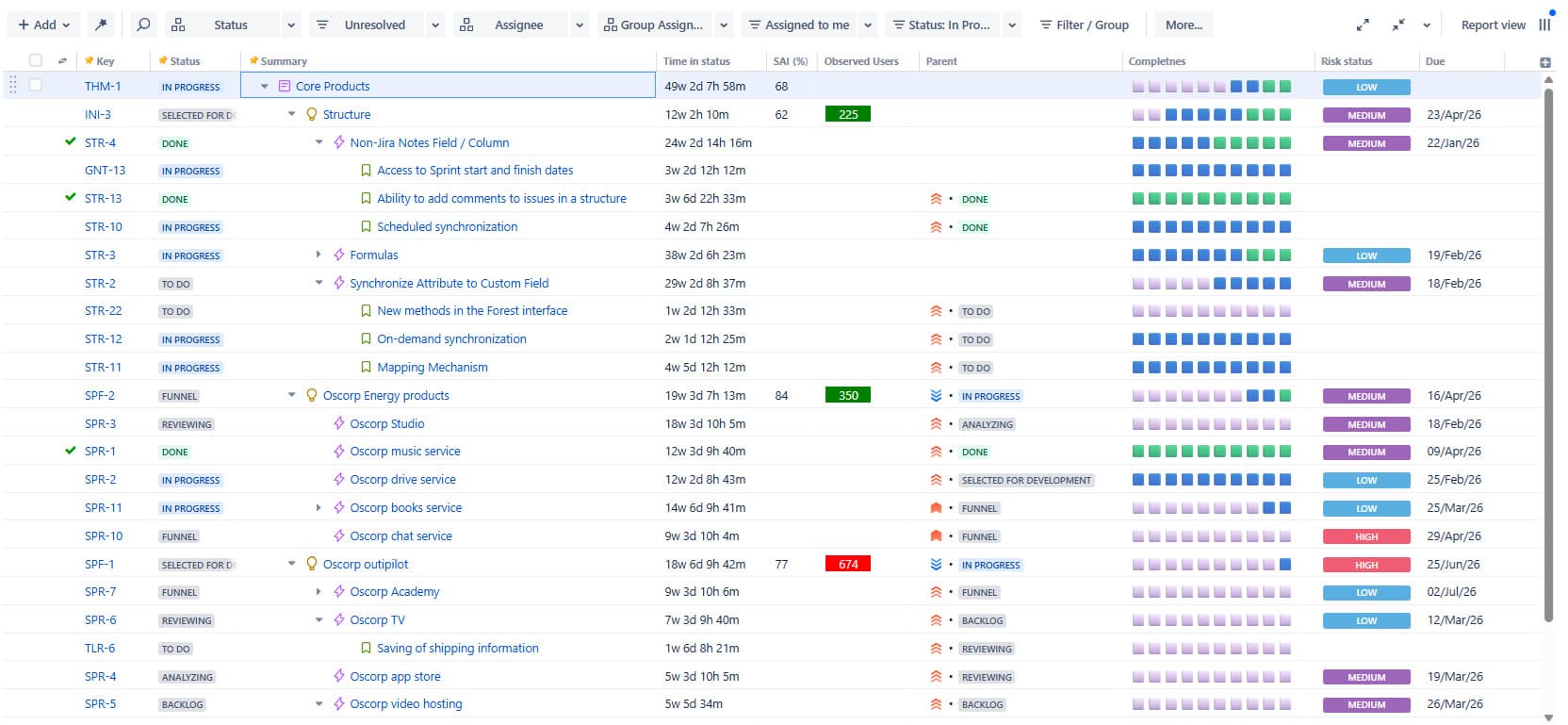
Structure PPM anchors the audit trail. Structures roll up Jira issues across the enterprise into a hierarchy that maps to how compliance is governed – business unit, program, control area, system. Structure changes, scope adjustments, and progress all live in Jira's history, so the evidence trail of what was approved, when, and by whom is intrinsic to the delivery process rather than reconstructed for an audit.
Timesheets provides the labor-side evidence. Worklog attributes capture whether time is billable or not, capitalizable or operational, and against which project or control. Approval workflows, locked periods, and full worklog history give finance and auditors the defensible record they need for software capitalization (ASC 350-40, IAS 38), client billing, and grant or fund accounting. Verify category attributes against your specific Timesheets configuration before adopting them as a control.
Financial Manager governs project economics with the same rigor. Budgets, forecasts, and actuals tie to the underlying worklogs and Jira issues, with rate cards and allocation rules that finance can defend. CapEx/OpEx classification flows through to reporting, so the line between capitalized engineering effort and operational support is auditable rather than asserted.
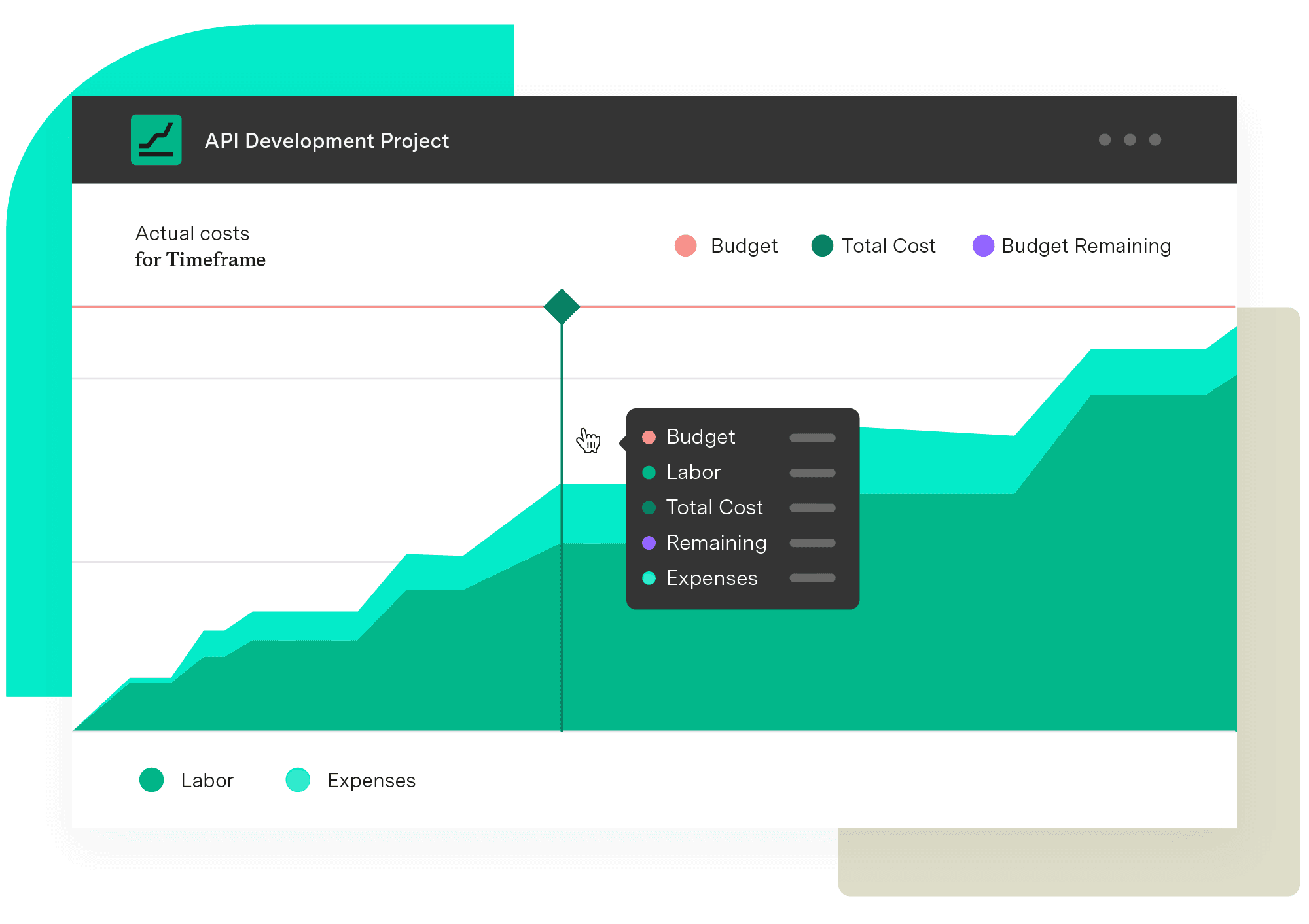
Custom Charts for Jira turns control evidence into dashboards. Compliance owners build live views of approvals outstanding, controls past their review date, audit findings status, and program risk by area, all sourced from current Jira data rather than month-end exports.
Underpinning the stack, Tempo Cloud carries SOC 2 Type 2, ISO 27001, and ISO 27701 certifications, supports HIPAA-aligned deployments, meets GDPR and CCPA requirements, and aligns with PCI DSS, with an A+ SSL grade and documented RTO/RPO commitments. The Trust Center is the canonical source for current posture and should be cited in procurement and vendor risk reviews.
Sign up for a demo
Request Demo


