

An IT project manager is a professional responsible for planning, executing, and overseeing technology-related projects within an organization.

A technical project manager is a professional who combines project management expertise with technical knowledge to oversee complex, technology-driven initiatives.
The technical project manager is essential for bridging the gap between technical teams and business stakeholders.
When asked what a technical project manager is, it refers to a specialized project manager who coordinates timelines, budgets, and resources, but also understands the technical details of the projects they oversee. Unlike traditional project managers, technical project managers often have backgrounds in engineering, IT, or software development, allowing them to actively engage with technical teams.
In practice, they ensure that projects are delivered on time, within scope, and meet both technical specifications and business objectives. This dual perspective makes them highly valuable in industries where technology is central to success.
Technical project managers are responsible for guiding projects from concept to completion. Their role requires both strategic oversight and technical fluency. Typical responsibilities include:
Defining project scope, goals, and deliverables.
Collaborating with engineers, developers, and IT specialists.
Managing risks, timelines, and budgets.
Translating technical details into business-friendly updates for stakeholders.
Ensuring compliance with industry standards and best practices.
Because they understand technical constraints, they can anticipate challenges, make informed decisions, and facilitate smoother communication between technical and non-technical stakeholders.
For some technical project manager examples, here are a few scenarios of how they work and what they do:
Example 1: Software implementation A technical project manager leads the rollout of a new enterprise software system. They coordinate with developers, data migration specialists, and business analysts to ensure the software integrates seamlessly into existing workflows.
Example 2: IT infrastructure upgrade In a large corporation, a technical project manager oversees a company-wide server migration to the cloud. Their technical knowledge helps them anticipate risks, manage downtime, and ensure security compliance.
Example 3: Product development A startup developing a mobile app employs a technical project manager to align engineers, UX designers, and marketing teams. The manager ensures the app meets technical specifications while being user-friendly and market-ready.
These technical project manager examples illustrate how the role adapts across industries, ensuring both technical execution and business alignment.
To succeed, technical project managers need a combination of project management and technical skills. Common requirements include:
Project management expertise: Proficiency in methodologies like Agile, Scrum, or Waterfall.
Technical knowledge: Familiarity with programming, systems architecture, or IT infrastructure.
Communication skills: Ability to translate technical details for stakeholders.
Leadership: Managing cross-functional teams effectively.
Problem-solving: Identifying and addressing technical challenges proactively.
This unique mix of skills allows them to manage projects more efficiently than traditional project managers in technology-heavy environments.
Many projects involve software, hardware, or IT infrastructure. Without a technical project manager, businesses risk miscommunication, missed deadlines, and cost overruns.
By having someone who understands both the technical and business sides, organizations can deliver projects more successfully and with fewer risks.
In summary, a technical project manager describes someone who combines technical expertise with project management skills to lead complex projects. Understanding what is technical project manager does showcases how they bridge communication between technical teams and stakeholders.
These individuals are vital in ensuring technology-driven projects succeed by aligning technical details with business goals – no modern tech team is complete without one.
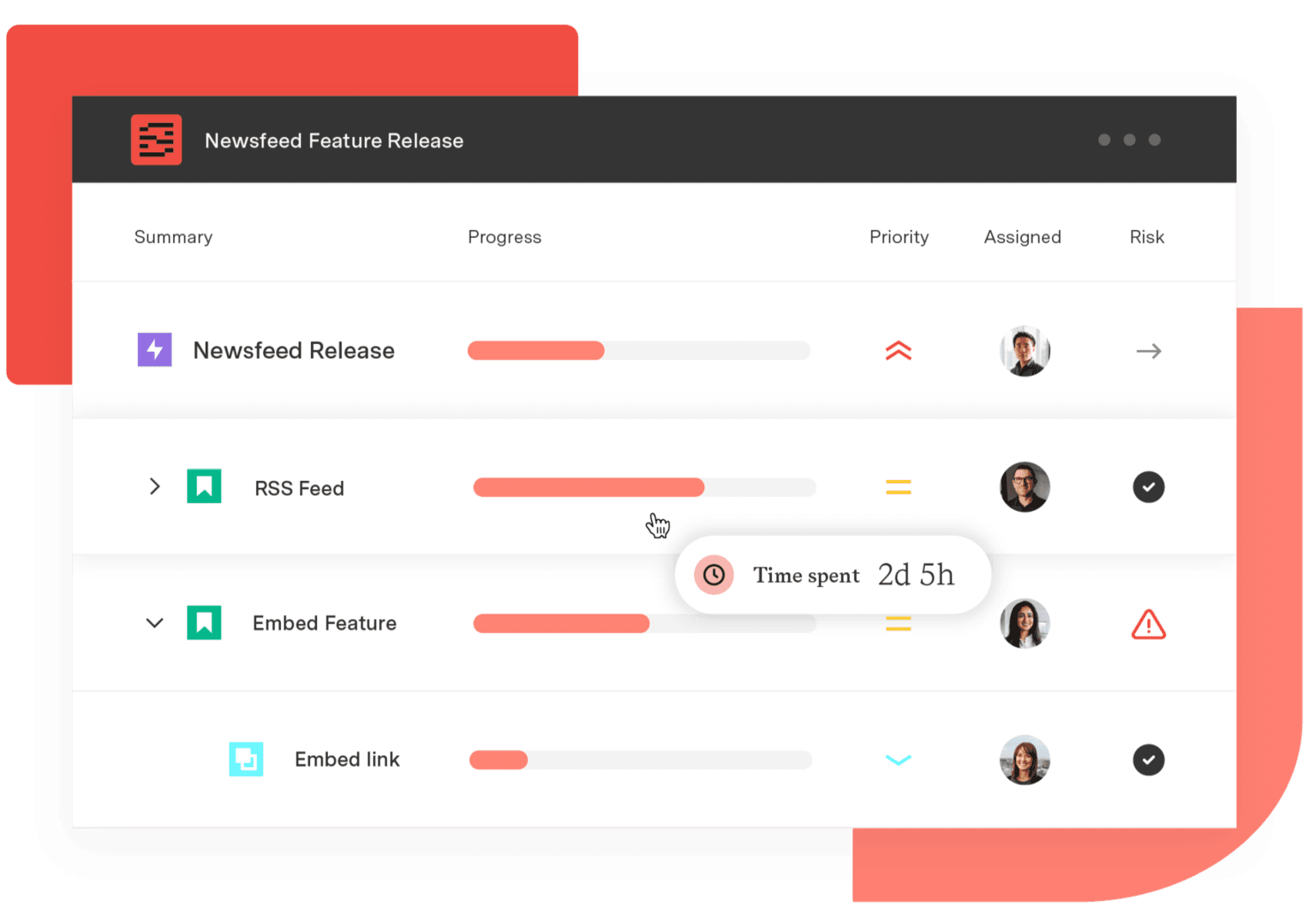
Structure PPM
Manage products, projects, and programs in a single spreadsheet-like view. By providing a clear, real-time view of project progress and resource allocation, Structure helps teams meet deadlines and adapt swiftly to changing priorities.
Start a Free TrialAn IT project manager is a professional responsible for planning, executing, and overseeing technology-related projects within an organization.

PMP stands for Project Management Professional, a globally recognized certification awarded by the Project Management Institute (PMI).

Learn what a Program Manager does, how they align projects with strategy, and what skills you need to succeed in this key leadership role.
CIO stands for chief information officer, an executive role responsible for managing an organization’s information technology strategy and systems.

When asked what a chief product officer is, it refers to the executive who drives a company’s product vision and ensures its successful execution.
A CPO refers to the role of someone that gathers money from multiple investors into a single pool, which is then used to trade commodity interests.

A cross-functional team is a group composed of members from different departments or areas of expertise who work together toward a shared goal.
Uncover the meaning of soft skills, delve into examples, and discover their significance while distinguishing them from hard skills.

Delve into Benchmark core definition, proven methodologies, industry best practices, and insightful examples.