

Agile is a project management and product development methodology that emphasizes flexibility, collaboration, and customer-centricity.

ScrumBan is a hybrid project management methodology that combines elements of Scrum and Kanban to create a flexible, iterative framework for managing work.
Defining ScrumBan is to understand its role as a practical approach for teams who want the structure of Scrum with the adaptability of Kanban.
Scrumban refers to a method designed to help teams manage workflows more effectively by blending Scrum’s sprint-based structure with Kanban’s visual task management. It allows teams to prioritize work dynamically, improve efficiency, and adapt to changing demands without being locked into rigid rules.
In practice, Scrumban emerged as an evolution of Scrum for teams that needed more flexibility while still valuing some of Scrum’s discipline. Today, it’s used in industries beyond software, including marketing, design, and operations.
Scrumban takes the best of both frameworks:
From Scrum: Scrumban retains structured elements like roles (product owner, team members), backlog management, and regular reviews or retrospectives.
From Kanban: It adopts visual boards, work-in-progress (WiP) limits, and continuous workflow, enabling teams to focus on the most important tasks at any given time.
Unlike pure Scrum, scrumban does not require strict sprint cycles. Instead, work is pulled into the system as capacity becomes available. This makes it well-suited for teams managing ongoing tasks or responding to shifting priorities.
Teams often adopt Scrumban because it offers:
Flexibility: Adjusts to changing workloads more easily than rigid sprint cycles.
Visibility: Kanban boards provide a clear view of tasks, progress, and bottlenecks.
Efficiency: WiP limits help avoid multitasking and encourage focus.
Continuous improvement: Retrospectives and reviews allow teams to refine processes over time.
Scalability: Useful for both small teams and larger organizations managing complex workflows.
This balance makes Scrumban especially appealing for teams that want a structured yet adaptive project management framework.
To better understand Scrumban, here are a few scenarios:
Example 1: Software development team A development team uses scrumban to manage ongoing bug fixes and feature requests. Instead of rigid sprints, they prioritize tasks continuously, using a Kanban board to visualize progress and Scrum ceremonies to reflect and improve.
Example 2: Marketing department A marketing team managing multiple campaigns uses ScrumBan to balance long-term initiatives with short-term requests. Work is pulled into the system as priorities shift, ensuring urgent campaigns are addressed without losing sight of ongoing projects.
Example 3: IT operations An IT support team adopts scrumban to handle incident management. Tasks flow continuously through the system, with WIP limits preventing overload and regular reviews ensuring service quality improves over time.
These Scrumban examples demonstrate how the method adapts across industries, combining structure with agility to meet different organizational needs.
Many teams turn to Scrumban when outgrow Scrum’s rigid sprint cycles but still want structure to guide collaboration. It is especially effective for teams with unpredictable workloads or those balancing project-based and operational work.
By leveraging ScrumBan, organizations can maintain discipline while adapting to change – something crucial in fast-moving industries.
In conclusion, the ScrumBan describes a hybrid methodology that merges Scrum’s structure with Kanban’s flexibility.
Exploring scrumban shows its application in software, marketing, and IT operations. It offers a versatile approach that empowers teams to stay organized, responsive, and efficient in dynamic environments.
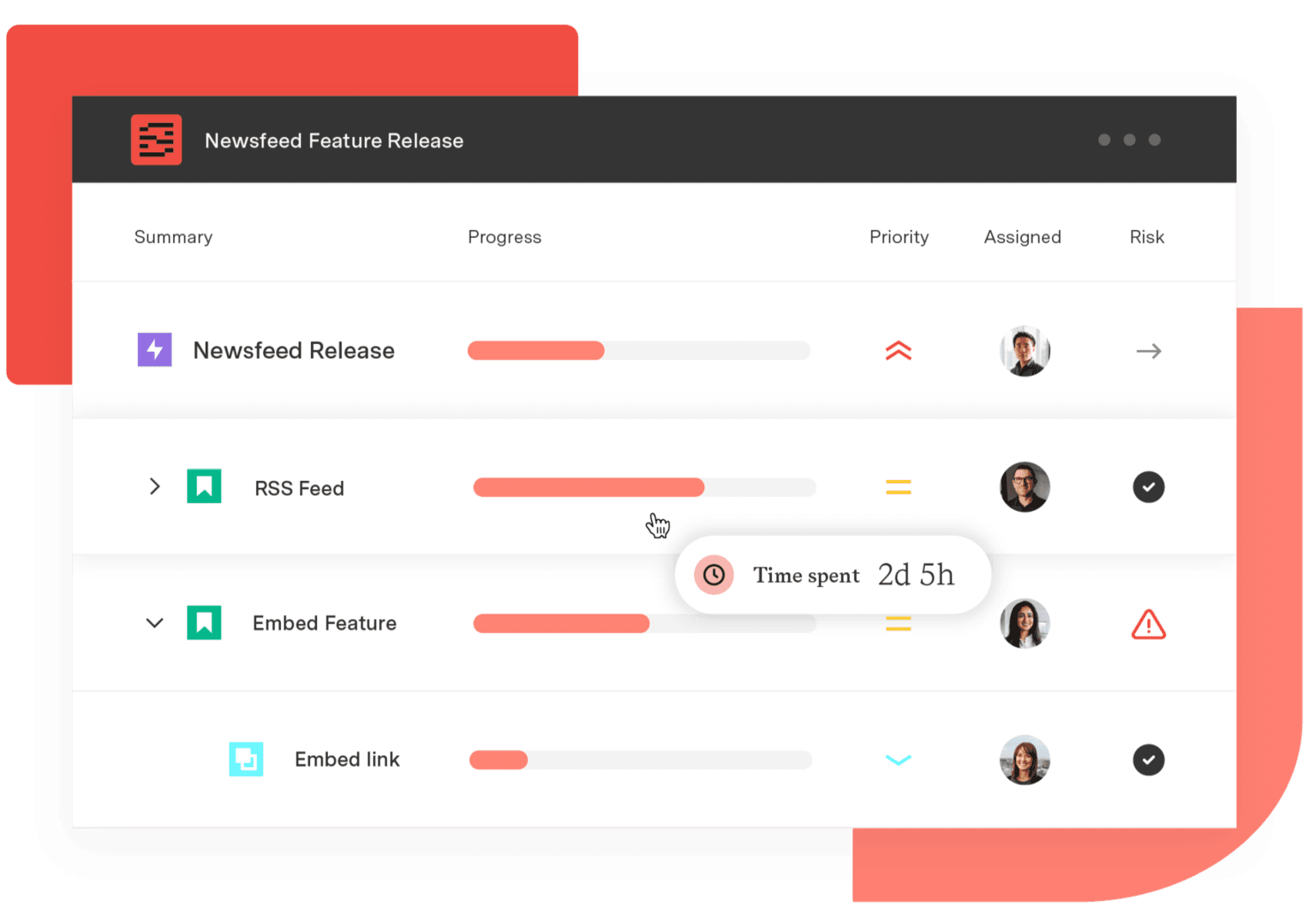
Structure PPM
Manage products, projects, and programs in a single spreadsheet-like view. By providing a clear, real-time view of project progress and resource allocation, Structure helps teams meet deadlines and adapt swiftly to changing priorities.
Start a Free TrialAgile is a project management and product development methodology that emphasizes flexibility, collaboration, and customer-centricity.

Explore Agile frameworks like Scrum, Kanban, and Lean. Learn their benefits and find the best fit for your project’s goals and team dynamics.

Agile environment is when teams operate in short cycles, respond quickly to change, and prioritize delivering value over following rigid processes.

An agile release train (ART) is a group of agile teams that work together through a shared vision, roadmap, and program increment (PI).

A product owner acts as the bridge between stakeholders and the development team. They ensure that the team’s work aligns with the overall strategy.

A sprint backlog is a list of tasks, user stories, or product backlog items that a Scrum team commits to completing during a sprint
Discover how the Scaled Agile Framework (SAFe) can help your organization implement Agile practices at scale.

A backlog is a prioritized list of tasks, features, or items that must be completed in a project or process.
Explore the Dual Track Agile methodology. Learn how it combines discovery and delivery tracks, & understand the difference from traditional approaches