

A technical project manager is a professional who combines project management expertise with technical knowledge to oversee complex initiatives.

A chief product officer (CPO) is a C-level executive responsible for overseeing an organization’s product strategy, development, and overall product lifecycle. The chief product officer definition highlights the role as the leader who ensures that products align with company goals, customer needs, and market opportunities.
When asked what a chief product officer is, it refers to the executive who drives a company’s product vision and ensures its successful execution.
The CPO manages cross-functional teams – including product management, design, engineering, and marketing – to deliver innovative solutions that meet user needs and drive business growth.
In practice, the CPO acts as a bridge between the company’s strategic objectives and the customer experience. This role is crucial in product-led organizations where the product itself is central to growth and competitive advantage.
The chief product officer’s responsibilities vary depending on company size, industry, and goals, but core duties often include:
Defining and owning the product vision and long-term roadmap.
Leading product management and design teams.
Conducting market research and analyzing customer feedback.
Prioritizing features and initiatives to maximize business impact.
Collaborating with other executives, such as the CEO, CTO, and CMO, to align product strategy with overall company objectives.
As companies scale, the CPO’s role becomes even more strategic – focusing on execution, but also on fostering innovation, shaping culture, and positioning the organization competitively in the market.
To better understand what a chief product officer does, let’s look at a few real-world scenarios:
Example 1: Technology startup In an early-stage SaaS company, the CPO may lead the creation of a minimum viable product (MVP), gather user feedback, and adapt the roadmap quickly to achieve product-market fit.
Example 2: Established enterprise At a global e-commerce platform, the CPO could be responsible for managing a suite of digital products, ensuring they scale effectively across multiple markets, while driving innovation in user experience.
Example 3: Consumer goods company In a consumer brand, a CPO might lead research into customer needs, oversee product design, and ensure new products align with the brand’s mission and appeal to target demographics.
These examples of a chief product officer show how the role varies across industries but consistently focuses on aligning product innovation with customer expectations and business strategy.
The increasing importance of the CPO role reflects the shift toward product-led growth in modern businesses. In industries where user experience and innovation drive competitive advantage, having a dedicated executive to oversee product strategy is essential.
The key part is that the CPO is there to ensure that product decisions are not made in isolation but are tightly integrated with the company’s vision and market demands.
By leading with a customer-first approach, CPOs help companies create products that not only solve problems but also delight users and encourage loyalty. This positions the organization to thrive in fast-changing markets.
A successful Chief Product Officer requires a balance of strategic thinking, leadership, and technical expertise. Key skills include:
Strong vision-setting and ability to define product strategy.
Excellent communication and collaboration with cross-functional teams.
Analytical mindset for data-driven decision-making.
Deep understanding of customer needs and market dynamics.
Leadership skills to inspire and scale product teams.
These qualities ensure the CPO can guide the organization’s products toward long-term success.
In summary, a chief product officer describes a senior executive role responsible for driving product strategy, innovation, and execution.
While it isn’t widely understood – the CPO has grown into a critical role for many modern industries, and highlights the importance of aligning product development with business goals and customer needs.
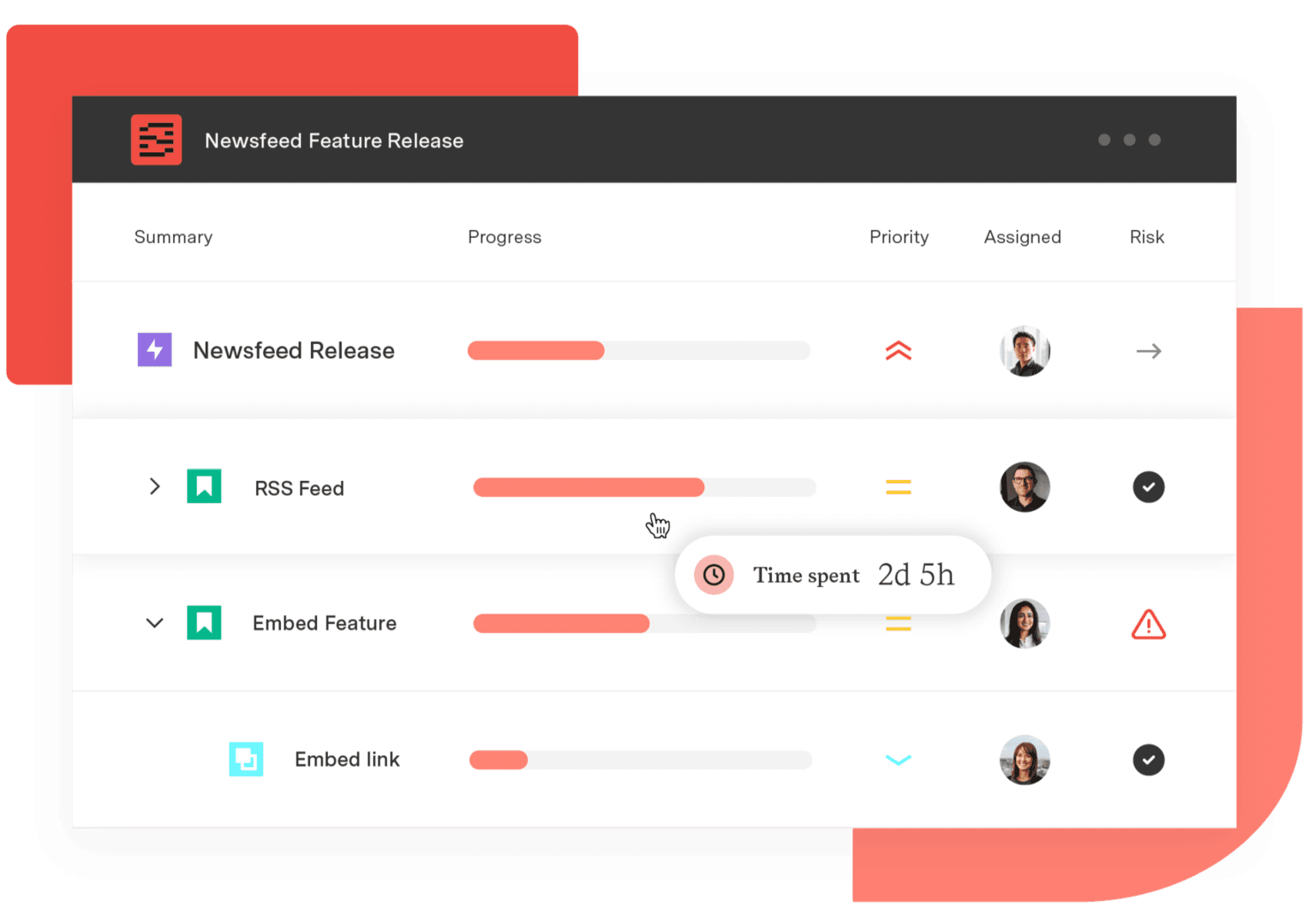
Structure PPM
Manage products, projects, and programs in a single spreadsheet-like view. By providing a clear, real-time view of project progress and resource allocation, Structure helps teams meet deadlines and adapt swiftly to changing priorities.
Start a Free TrialA technical project manager is a professional who combines project management expertise with technical knowledge to oversee complex initiatives.

A CPO refers to the role of someone that gathers money from multiple investors into a single pool, which is then used to trade commodity interests.
CIO stands for chief information officer, an executive role responsible for managing an organization’s information technology strategy and systems.

Learn what a Program Manager does, how they align projects with strategy, and what skills you need to succeed in this key leadership role.
An IT project manager is a professional responsible for planning, executing, and overseeing technology-related projects within an organization.

Learn about Product Management, the practice of strategically guiding the development and management of a product.
PMP stands for Project Management Professional, a globally recognized certification awarded by the Project Management Institute (PMI).

A cross-functional team is a group composed of members from different departments or areas of expertise who work together toward a shared goal.

MVP refers to a new product version with only essential features to satisfy early users and gather feedback.