

Project management tools are software applications or platforms designed to help individuals and teams throughout the lifecycle of a project.

A project management system is a set of tools, processes, and software applications designed to help teams plan, execute, and monitor projects efficiently. The definition emphasizes structure, collaboration, and visibility to ensure projects are completed on time, within budget, and aligned with organizational goals.
When asked what a project management system is, it refers to a framework or digital solution that centralizes project activities such as scheduling, task allocation, resource management, and progress tracking. These systems provide a single source of truth for project teams, making it easier to collaborate, communicate, and adapt to changes.
In practice, a project management system integrates people, tools, and workflows into one platform, helping teams move from planning to execution seamlessly while reducing risks of miscommunication or inefficiency.
Managing projects without a dedicated system often leads to missed deadlines, unclear responsibilities, and lack of accountability. A project management system solves these challenges by providing:
Task management: Assigning and tracking responsibilities.
Resource planning: Managing team availability, budgets, and assets.
Progress tracking: Monitoring milestones and project health.
Collaboration tools: Centralizing communication and documentation.
Reporting and analytics: Offering insights into performance and outcomes.
Whether in small businesses or large enterprises, these systems improve visibility, keep stakeholders aligned, and streamline workflows across different teams and departments.
To better understand project management systems, here are some real-world tools that teams are using:
Example 1: Software development project A common tool – one that Tempo specializes in – is Jira. Developers and product managers track issues, manage sprints, and collaborate through a shared backlog, ensuring quick iteration and delivery.
Example 2: Marketing campaigns Another popular tool would be Asana. Tasks are assigned with deadlines, assets are stored centrally, and progress is visible to all stakeholders. This improves coordination between creative, content, and analytics teams.
Example 3: Construction project A construction firm employs Microsoft Project to manage large-scale infrastructure initiatives. The system helps schedule resources, track dependencies, and forecast costs, ensuring the project remains on time and budget.
Example 4: Remote collaboration Distributed teams adopt tools to visualize workflows, track deliverables, and maintain alignment, especially when working across different time zones.
Here at Tempo – we specialize in creating add-ons to improve tools like Jira – such as Structure PPM. It can go into your Jira, organize issues across teams or your entire portfolio, and display them in multiple ways.
Some tools, like Jira, are designed to work across all types of industries, although they may lack some indsutry-specific functionalities . Others are specialized for the exact line of work they were made for – and can come with specialized options but will struggle if they are ever rolled out to other departments.
Organizations adopting project management systems experience multiple advantages:
Increased efficiency: Automates repetitive tasks and keeps work organized.
Improved collaboration: Teams work together in real time with shared visibility.
Reduced risk: Early identification of delays, budget overruns, or resource gaps.
Scalability: Systems grow with the organization’s needs, from simple task management to enterprise-level portfolio management.
No-one should have to create their own spreadsheets, or have to struggle to understand what they should be doing, or what their team is up to. Project management systems solve all of that.
While powerful, implementing a project management system can present challenges. Common issues include:
Adoption resistance: Teams may be reluctant to change from traditional methods.
Complexity: Overly advanced systems can overwhelm smaller teams.
Costs: Premium tools may require significant investment.
Overcoming these challenges requires clear communication, training, and selecting a system that aligns with the organization’s size and workflow. Don't just dictate what the "new" thing is – know your teams problems, and try to find something to solve them and let them know how they do it.
In conclusion, the project management systems refer to a structured framework or digital tool that helps organizations manage projects from planning to delivery.
These tools help your teams understand what they should be working on, track projects and other work, and make your projects go smoother.
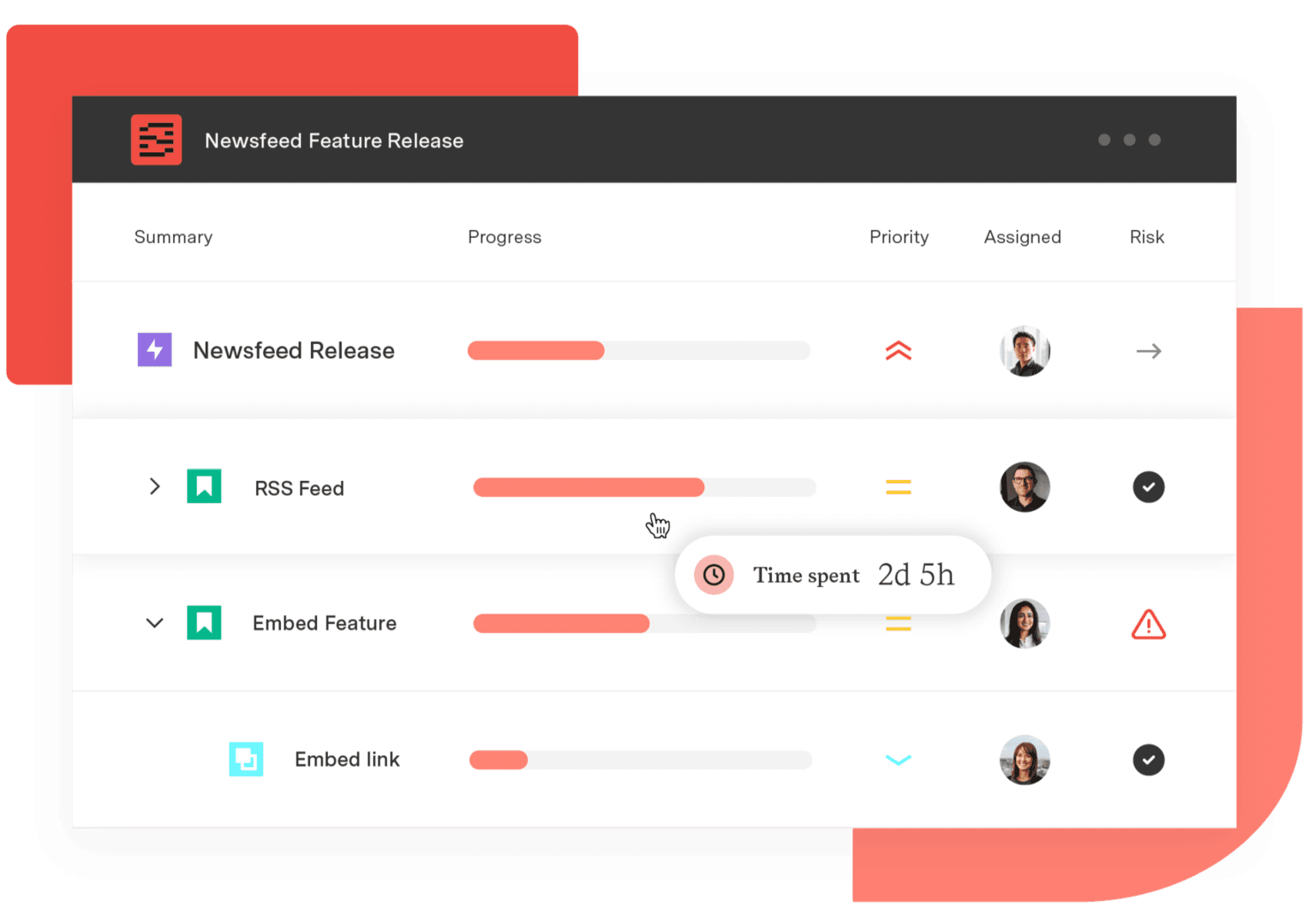
Structure PPM
Manage products, projects, and programs in a single spreadsheet-like view. By providing a clear, real-time view of project progress and resource allocation, Structure helps teams meet deadlines and adapt swiftly to changing priorities.
Start a Free TrialProject management tools are software applications or platforms designed to help individuals and teams throughout the lifecycle of a project.

Project management principles are foundational guidelines that provide structure and consistency in planning, executing, and completing projects.

A project management process is a structured series of phases and activities designed to plan, execute, monitor, and close a project effectively.
See how Jira helps teams track, manage, and collaborate on work efficiently across industries with powerful project management features.

Dependencies are essential in project management, helping teams understand how tasks are connected and how changes to one task can impact others.

Scrumban is a hybrid project management methodology that combines elements of Scrum and Kanban to create a flexible framework for managing work.

The 4 Disciplines of Execution is a strategic framework designed to help organizations and teams achieve their most important goals.

Program management is the coordinated management of multiple related projects aimed at achieving strategic business objectives.

Needs analysis is a process to identify gaps between current performance and desired outcomes, helping you determine your next steps