

A project management system is a set of tools designed to help teams structure, execute, and monitor their projects.

Project management principles are foundational guidelines that provide structure, consistency, and direction in planning, executing, and completing projects. The definition of project management principles highlights them as best practices that help teams deliver projects successfully, on time, and within scope.
When asked about project management principles, they refer to the core values and practices that guide project managers and teams throughout the project lifecycle. These principles ensure that projects align with organizational goals, meet stakeholder expectations, and adapt effectively to changing circumstances.
In practice, project management principles serve as a roadmap for decision-making. They don’t dictate specific tools or methods but establish universal standards that can be applied across industries and project types.
Although frameworks may differ, several key principles are widely recognized:
Clear objectives and goals: Every project should begin with well-defined outcomes to guide planning and execution.
Stakeholder engagement: Involving stakeholders throughout ensures alignment, buy-in, and satisfaction with the results.
Defined roles and responsibilities: Clear accountability prevents confusion and improves team performance.
Planning and scheduling: Proper time, resource, and risk planning are essential for efficiency.
Adaptability: Projects often face unexpected challenges, making flexibility and problem-solving crucial.
Continuous monitoring: Tracking progress ensures teams stay aligned with goals and can adjust as needed.
Value delivery: Projects should always focus on providing measurable value to the organization or client.
Adhering to these principles can help project managers reduce risks, manage resources effectively, and deliver consistent results.
Here are a few scenarios to better illustrate how project management principles work in reality.
Example 1: Software development project A tech company developing a new mobile app begins by defining clear goals: improving user engagement and reducing churn. Stakeholder engagement is maintained through regular feedback sessions, while project roles are clearly divided among developers, designers, and testers. Continuous monitoring ensures that deadlines are met and that the final product delivers measurable value.
Example 2: Marketing campaign A marketing team applies project management principles when launching a new product campaign. They establish objectives (increase brand awareness), plan resources (budget, creative assets, ad placements), and set clear responsibilities. By monitoring campaign performance, they adapt real-time strategies to maximize impact.
Example 3: Construction project In a large-scale construction initiative, principles such as planning, scheduling, and risk management are critical. The project manager ensures safety standards are met, budgets are monitored, and stakeholder updates are communicated regularly. This structured approach keeps the project on track and compliant with regulations.
These examples of project management principles demonstrate how consistent application of these guidelines leads to successful outcomes across industries.
Project management principles matter because they provide a common foundation for managing complex work. Without them, projects risk scope creep, miscommunication, budget overruns, and failure to meet objectives.
Organizations can increase project success rates and deliver greater value by following principles such as stakeholder engagement, adaptability, and continuous monitoring.
Additionally, these principles align teams across departments, ensuring everyone works toward the same objectives with a shared understanding of priorities.
While the principles are universal, applying them effectively can be challenging. Some common obstacles include:
Unclear goals: Projects without specific outcomes are difficult to manage successfully.
Poor stakeholder alignment: Lack of communication can result in unmet expectations.
Overly rigid processes: Failing to adapt can cause delays when unexpected issues arise.
Overcoming these challenges requires strong leadership, consistent communication, and a balance between structure and flexibility.
Project management principles refer to the fundamental guidelines that shape effective project execution. Understanding these principles helps clarify why they were formed, and how they help teams deliver value.
Ultimately, with almost all ways of work, it is another tool in your arsenal for reducing risks, improving collaborations, and consistently delivering successful outcomes.
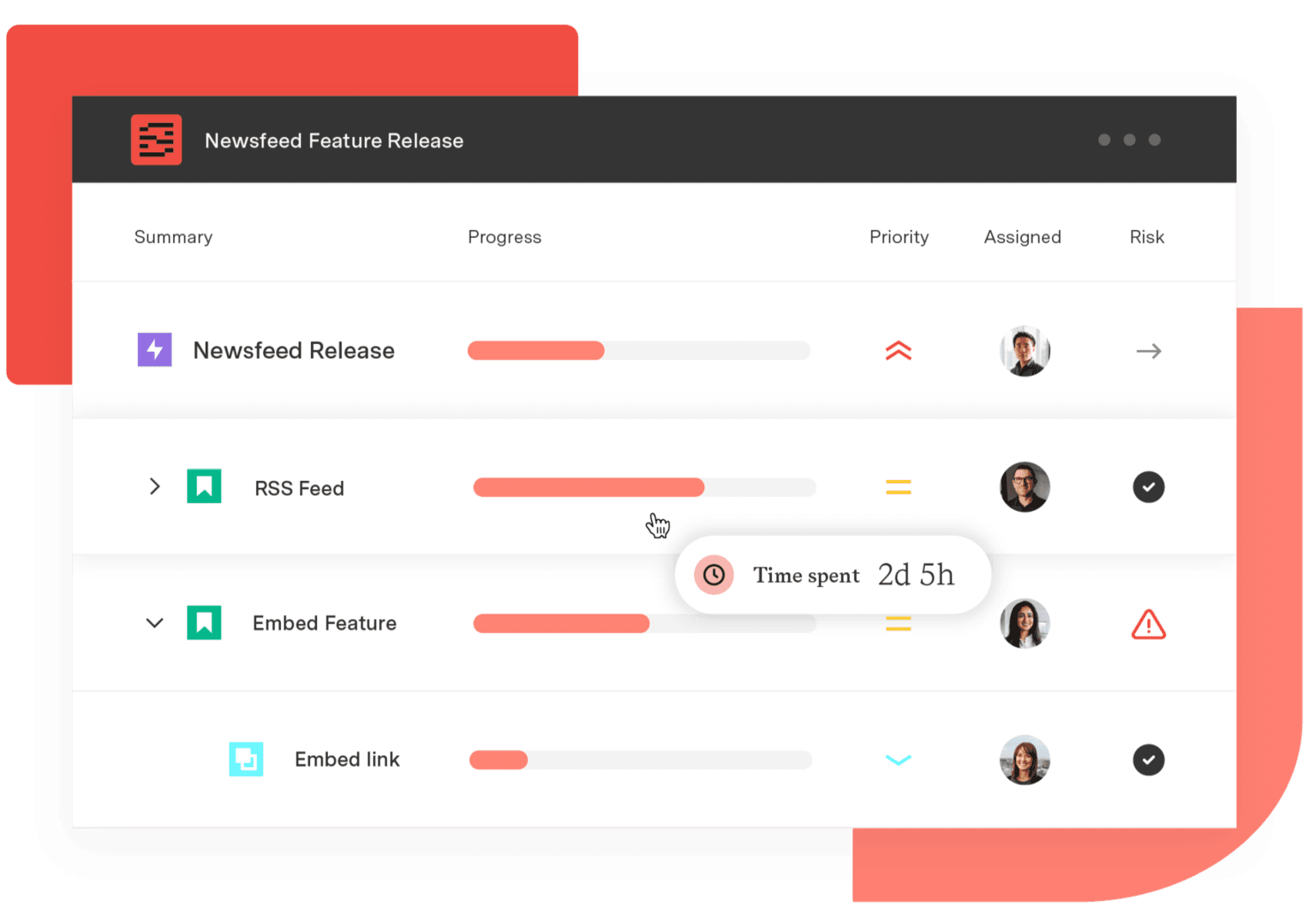
Structure PPM
Manage products, projects, and programs in a single spreadsheet-like view. By providing a clear, real-time view of project progress and resource allocation, Structure helps teams meet deadlines and adapt swiftly to changing priorities.
Start a Free TrialA project management system is a set of tools designed to help teams structure, execute, and monitor their projects.

Explore key change management principles to guide your organization through change, reduce resistance, and boost long-term success.

Project time management refers to planning, organizing, and controlling the amount of time spent on specific project tasks and activities.

Program management is the coordinated management of multiple related projects aimed at achieving strategic business objectives.

A project management process is a structured series of phases and activities designed to plan, execute, monitor, and close a project effectively.

Waterfall project management is a linear and sequential approach to project management where each phase must be completed before the next one begins

A project charter outlines the purpose, objectives, scope, and key stakeholders of a project. It empowers the project manager to begin work.

Project governance refers to the framework of policies, roles, responsibilities, processes, and decision-making to ensure alignment with goals.
Project management tools are software applications or platforms designed to help individuals and teams throughout the lifecycle of a project.