The Hoshin Kanri matrix helps your organization plan & execute key goals. Learn how to build your own, and guide your team from strategy to execution.

You spend hours developing a business strategy designed to ensure your company thrives. But without a concrete plan to roll out these tactics, your well-thought-out document becomes another item gathering dust.
Incorporating effective strategy implementation into the planning process ensures the effort put into drafting the organization’s short and long-term goals is efficient and effective. This plan communicates the strategic roadmap management will take to bring their plan to life and how every employee can contribute to execution and success.
Strategic implementation plans translate high-level goals and objectives outlined in a strategic plan into specific actions and initiatives employees will execute. To be successful, strategy implementation requires feedback and flexibility to ensure it continuously addresses the company’s needs within a changing marketplace and works with available resources.
To achieve successful implementation, a strategic plan must:
Be actionable
Cover a broad range of managerial, administrative, and team-wide activities
Integrate already established and optimized processes
Incorporate and leverage diverse skill sets
Clearly delegate efforts
When done right, this implementation plan turns lofty and oft-daunting strategic planning goals into actionable steps every department has the resources and talent to execute.
Successful strategy implementation requires five key components:
People: Launching a new strategy requires a skilled team with the availability and understanding necessary.
Resources: Access to financial and non-financial assets is vital for implementation support.
Organization: Clearly documented and organized strategy and implementation plans clarify roles and responsibilities and help managers track progress and mitigate hiccups.
Systems: Having the right tools, capacities, and processes in place is a critical success factor in strategy implementation.
Culture: Creating a business culture where everyone feels valued, included, and supported makes it easier to ask questions and find solutions to implementation challenges.
Creating comprehensive strategy implementation plans offers a team:
Increased efficiency: Ensuring teams stand behind organizational strategies and understand their roles and responsibilities in bringing them to life encourages group collaboration and workflow optimization, boosting productivity.
Improved decision-making: Upper management can refer to this metrics-backed and manageable plan when deciding how to delegate tasks and track progress.
Further adaptability: An implementation plan typically includes regular progress reviews, helping teams stay on top of delays and market changes to pivot quickly when needed.
Increased employee satisfaction: Clear role and responsibility delegations foster a sense of ownership and accountability, encouraging team members to own and feel excited about their work.
Post-business strategy planning, follow this six-step strategy implementation process to get your plan off the ground and actioned successfully.
Focusing on short and long-term strategy targets, set specific, measurable, attainable, realistic, and time-bound (SMART) goals to attain them. Work closely with cross-departmental team leads and conduct scenario planning to account for numerous variables that could result in roadblocks, establishing contingency plans for addressing them.
Set every SMART goal along a timeline that matches the strategic business plan and define resource and deliverables lists. Then, work with all relevant project managers to break each item into concrete projects they can create individual plans for. Close this document with a communication plan that outlines who will check in when regarding strategy implementation progress.
Complete the plan by assigning crucial roles and responsibilities regarding checking in, implementing, and revising this document. Collect this team and work together to choose key performance indicators (KPIs) and milestones the group will use to determine implementation success.
Offer team members regular opportunities to discuss progress and address any challenges or roadblocks. You can also use these meetings to re-establish deadlines and milestones while ensuring alignment with long-term goals.
Strategies are rarely static. In a volatile market, business objectives can shift quickly, requiring organizations to adapt their strategic goals in response. Consult with leadership stakeholders regularly to review goals and determine if the strategic plan needs an update. Ask questions like:
Is our strategy helping us meet customer needs?
If not, what needs to change?
Would it be more efficient to pivot or start from square one?
Once they’ve fully implemented the strategy, gather all relevant stakeholders for a retrospective to assess whether the team met its strategic goals, challenges during implementation, and lessons learned.
Incorporating a few best practices helps your team cruise through your implementation plan without a hitch:
Promote frequent, honest communication: Encourage collaboration and trust among the group by communicating frequently and being frank about challenges. As a manager, provide opportunities to brainstorm solutions and offer office hours to discuss issues one-on-one.
Make expectations known: Ensure that broad strategies and more specific team goals are clearly expressed to the team and that relevant documentation is housed somewhere central where teammates can regularly reflect on it.
Offer support: When an ever-inevitable challenge occurs, keep the project moving by bringing the team together and, using its collective knowledge, addressing and resolving the problem before it impacts timelines.
Supply the right tools: Ensure your team has everything they need to meet targets by providing helpful communication channels, project management software, and planning tools.
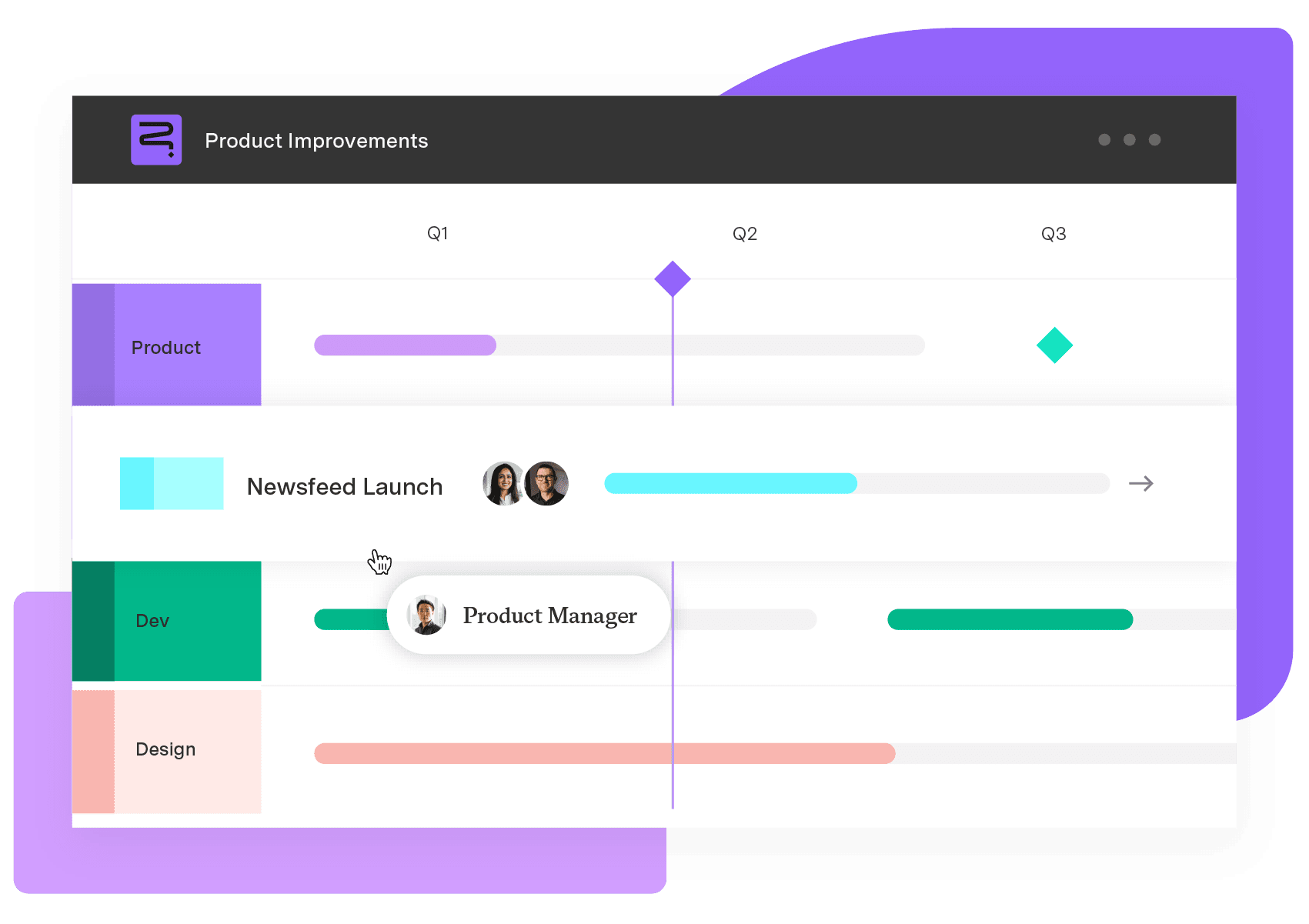
Whether implementing a new strategy, developing innovative products, or managing a complex project, your team needs help visualizing the journey. Create audience-friendly visual roadmaps with Strategic Roadmaps to build team alignment, clarify organizational structures, and centralize efforts. Sign up today.
Strategic Roadmaps
Build your portfolio vision with Strategic Roadmaps. With powerful visualization capabilities, you can communicate strategy to the entire organization and gain alignment around strategic objectives, product goals, and milestones.
Start a Free TrialThe Hoshin Kanri matrix helps your organization plan & execute key goals. Learn how to build your own, and guide your team from strategy to execution.

Learn to write an effective implementation plan that lets you manage your team’s activities, allocate resources, and execute the project with ease.

Discover eight strategy frameworks to drive business growth, optimize decision-making, and gain a competitive edge. Find the perfect model for you.
Discover the McKinsey 7-S model, whether it’s right for your organization, and its pros and cons. Five-step guide for successful 7-S implementation.

Learn how a digital business transformation strategy helps organizations leverage technology, improve processes, and drive growth successfully.

A TOWS matrix expands on the SWOT analysis to showcase how various factors affect each other. Discover the pros and cons of this method.
Boost your project's success with quality management. Discover its benefits, key elements, and top tools for effective implementation.
Discover what business process reengineering is and how it can help you scale your team, improve business operations, and increase productivity.

Got a lot on your plate? Master the art of project prioritization and empower your teams to focus on impactful tasks so you can achieve success.