See how the Agile methodology can help you and your team manage changing requirements on your projects.

Agile project management is inherently flexible, offering teams the freedom to pivot quickly and make strategic adjustments throughout a project’s life cycle.
While this adaptability enables innovation and creativity across your team, you need to meticulously monitor agile plans to avoid pitfalls. And one primary hurdle to circumnavigate is scope creep in agile, which can send projects spiraling out of control.
With scope creep under control, teams can enjoy agile’s freedom without the fear of overextending.
Project scope represents the amount of effort required to complete a project. In an agile organizational structure, scope covers every resource necessary to maintain the backlog, which includes all tasks, features, and user stories.
In project management, scope can change as teams gather new information and revise plans. Managers can adjust scope mid-project, but they need to be careful since alterations can result in task overload.
In agile practices, scope creep refers to a project’s demands growing beyond its limitations. When left unchecked, agile scope creep challenges teams to keep up with ever-growing workloads and expectations, leading to missed deadlines and poor final results.
Project needs extend beyond their scope when there’s a lack of clarity regarding purpose and objectives. Other triggers include ambiguous user stories, inadequate backlog prioritization, and missing essential feedback loops like sprint reviews and retrospectives. And unchecked or frequent changes in stakeholder requests can also increase project demands.
Without strong leadership, a project can easily deviate from its primary objectives, especially when teams are reactive rather than proactive when updating a plan. But implementing the following agile best practices assists with keeping scope creep in check.
Use SAFe PI planning sessions to align all stakeholders with the primary objectives for each program increment. This gives everyone a shared understanding of the top priorities and minimizes introducing tasks that are beyond scope.
Optimize visualization tools like a centralized epic dashboard to give teams a clear overview of the epics and their status. These resources serve as a single point of contact, helping teams stay up to date with primary tasks and their demands.
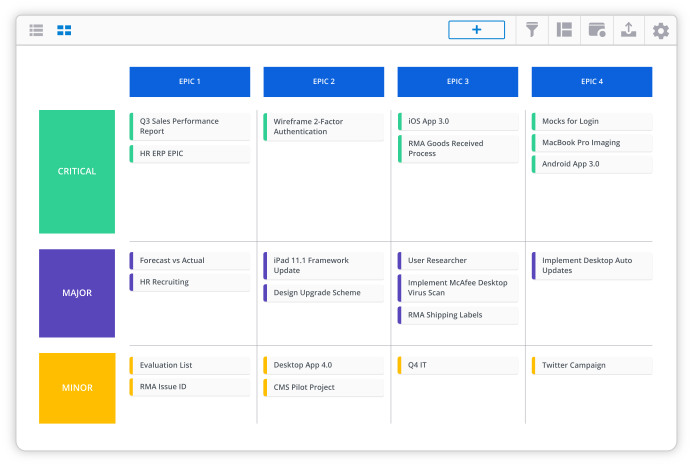
Visualizing the dependencies and relationships between tasks using a SAFe program board helps teams understand the flow of value and anticipate potential challenges, keeping the scope aligned with the sprint’s goals.
When a new request for a task or plan change arrives, it’s tempting to begin work immediately. But adding items to a backlog instead of instantly acting on them lets you evaluate how they fit into the bigger picture for proper prioritization.
Incorporating tools like a forecast dashboard lets you anticipate potential impacts on future sprints or program increments, helping teams make informed decisions about scope adjustments.
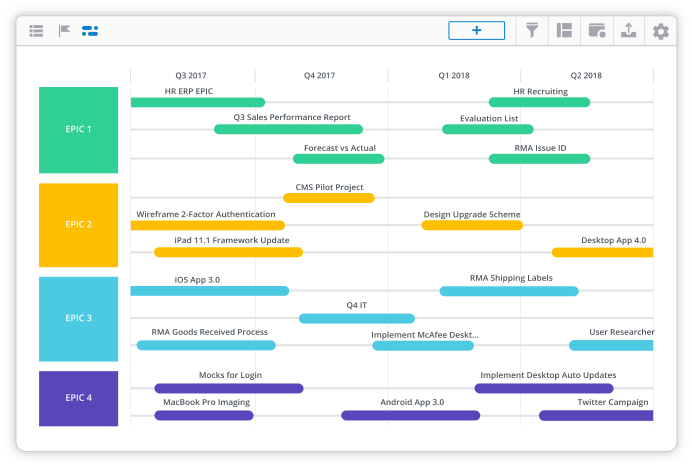
During backlog grooming sessions, review and refine priorities so every item aligns with the project’s objectives. With a shared dashboard, the team can see the implications of potential scope changes and understand how tasks connect, which guides prioritization.
Regularly engage with all stakeholders through agile ceremonies like daily stand-ups, sprint reviews, and retrospectives. This promotes transparency and invites ongoing feedback. And by continuously checking in about potential scope changes or challenges, you can address problems early.
As with all project management methods, open and effective communication is critical in agile projects to prevent major setbacks. When explaining scope creep’s potential effects to your team, consider these five valuable tips.
Scope creep causes unique challenges for each cross-functional team member, resulting in confusion and misunderstandings. By clearly outlining potential negative impacts, you offer staff a full understanding of potential hurdles so they can plan ahead.
Syncing schedules across project management dashboards helps managers illustrate the potential cascading effects of scope changes, shedding light on possible delays and resource conflicts.

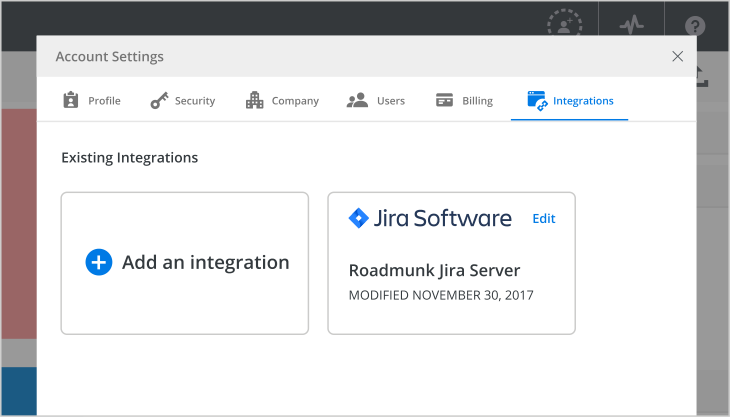
Jira stands out as an exceptional tool for staying ahead of scope creep. Syncing your Jira dashboard with your project information means any changes instantaneously appear on all boards, keeping every team member constantly in the loop.
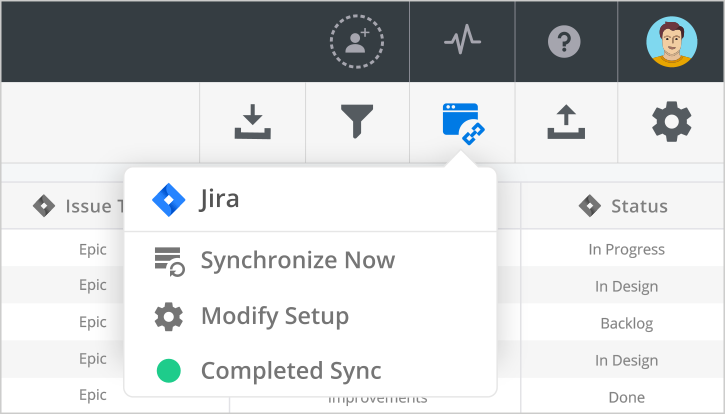
Jira integrates with other project management resources to more efficiently track and communicate a broad range of scope changes. This synchronicity across tools and platforms creates a seamless flow of information between teams like development, sales, and IT.
Share the dangers of scope creep with all stakeholders and help them understand their role in preventing it. Discuss how to weigh the benefits and drawbacks of a change so any scope adjustments add value rather than complications.
Using the right tools can prevent scope creep from catching you off guard. Strategic Roadmaps by Tempo provides resources to help you identify priorities, analyze goals, and pinpoint dependencies. Combine Strategic Roadmaps with time-tracking plugins and Structure by Tempo to keep your team on task and use Custom Charts to easily visualize critical reports. Sign up to get ahead of scope creep today.
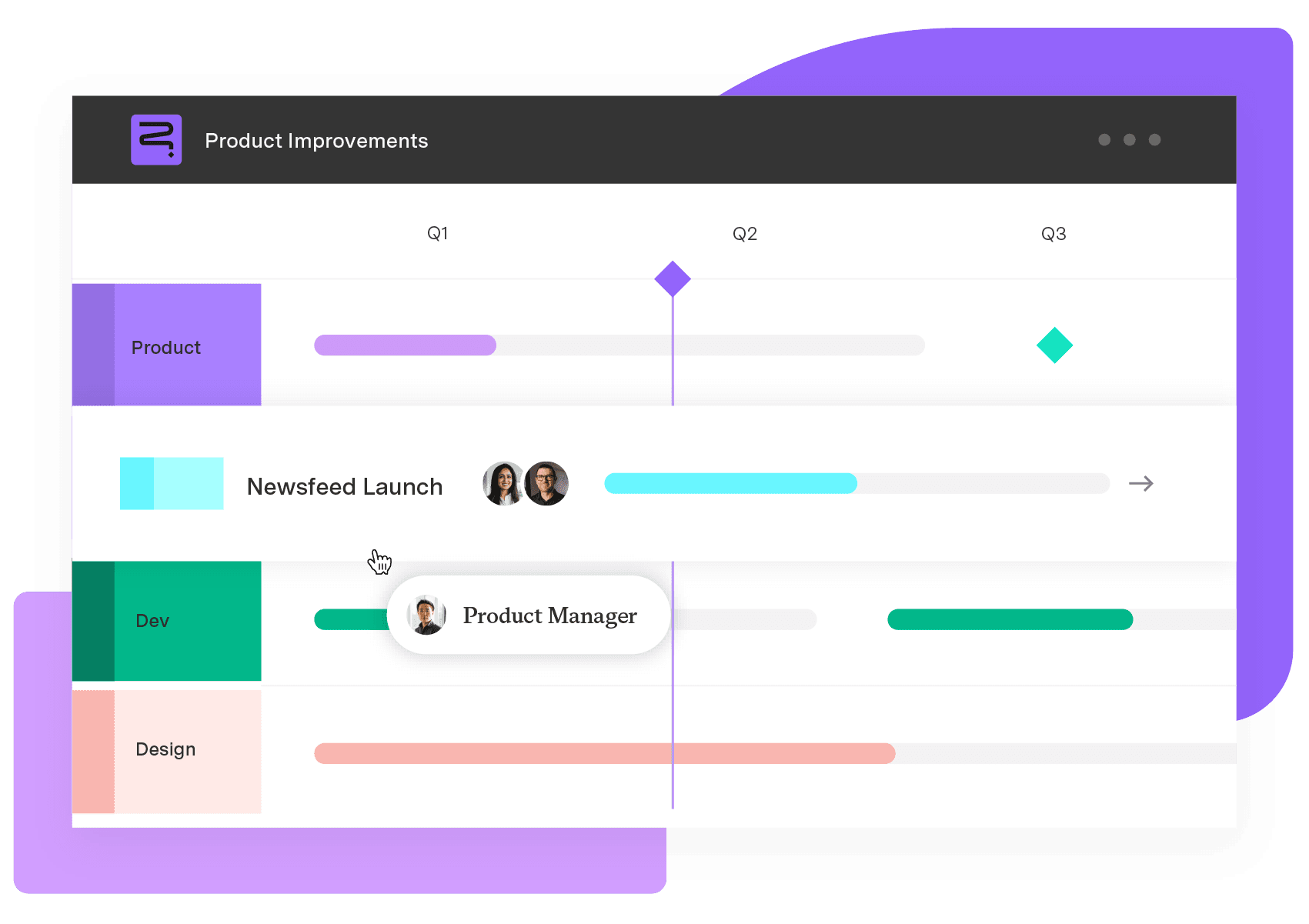
Strategic Roadmaps
Build your portfolio vision with Strategic Roadmaps. With powerful visualization capabilities, you can communicate strategy to the entire organization and gain alignment around strategic objectives, product goals, and milestones.
Start a Free TrialSee how the Agile methodology can help you and your team manage changing requirements on your projects.

Discover what project scope management is, learn how to avoid scope creep, and stay aligned from planning with Tempo’s Jira-native tools.

Learn effective IT project management strategies to optimize resources, manage scope, and keep projects on track for successful outcomes.
Perfect the art of agile story mapping to develop products and features that delight consumers while meeting their needs and maximizing value.

If you’re a project management professional, avoiding scope creep increases the chance of delivering the project on time and on budget.

Prioritizing project work for your team may sound like an easy task but it can become difficult when everything is a priority.
Small teams have their challenges too. Here are five common problems that you might face while working in a small team, and how you can solve each one

Why can it feel like such a headache to get everyone, from leadership to long-established teams, on the same page and working with agile?
Establishing and managing project scope is essential to the success of any initiative. Learn the basics and start your next project on the right foot.