A team manifesto fosters transparent communication, open collaboration governance & effective document management. Start your team’s manifesto today.
Incorporate governance into your project management practices to enhance efficiency and deliver meaningful results.

Project governance is the framework used to plan and execute a project, guiding team members to success. Here, we’ll define project governance, discuss its benefits, and provide insights into its structure. We’ll also discuss the essential elements of a project governance model so you can build one that works for your organization.
Project governance is the framework that ensures projects contribute to broader goals while promoting accountability at every step. It transforms ambitious plans into actionable strategies, giving your team clarity on roles, processes, and decision-making structures. Whether you’re a project manager or part of a project board, strong governance helps align your team’s efforts with strategic objectives.
Project governance primarily focuses on structures for project planning, management, and review. It requires leaders to track how time, money, and people are allocated across an organization’s project portfolio. This framework guarantees a shared understanding among stakeholders and team members, optimizing resources and minimizing risks.
Portfolio governance: Channel developer productivity into business value.
Download the guideGovernance can make the difference between a project that thrives and one that loses direction, especially for teams juggling multiple initiatives. When you incorporate governance into your project management practices, you can create systems that enhance efficiency and deliver meaningful results.
Three key pillars form the foundation of great project governance. These elements ensure every project stakeholder is informed, engaged, and working toward shared goals.
This is the foundation of project governance. It outlines how decisions are made and how responsibilities are shared. Whether you’re working with a lean team or a larger organization, structure helps everyone understand their role and move projects forward smoothly. This includes key players like the project manager, steering committee, and PMO. Clear accountability allows teams to focus on executing the project schedule efficiently.
People are the heart of project governance. Think of project sponsors, team members, and other stakeholders who bring your project to life. Clearly defined roles and open collaboration keep the team aligned and ready to tackle challenges head-on. Teams succeed when key stakeholders work together, ensuring projects support the business case and deliver measurable value.
Information ties everything together and keeps projects on course. Transparent communication helps identify risks early and prevents common project management pitfalls. Accurate and timely data allows teams to track progress, manage risks, and make informed decisions using tools like a work breakdown structure (WBS).
A project’s governance structure determines how it runs, from the decisions that guide it to the people responsible for keeping it on course. It’s about creating a system that fosters accountability, collaboration, and clarity. At the heart of this system are a few key roles:
The project sponsor is responsible for making sure the project aligns with the organization’s big-picture goals. They remove roadblocks and secure the resources needed for success. Their support keeps the project moving forward and in sync with strategic priorities.
Stakeholders are individuals affected by the project, such as internal team members, clients, or external partners. Stakeholders’ perspectives shape the project’s direction, so they require clear communication to keep them informed and ensure their needs are met. In broader governance efforts, these relationships also tie into effective portfolio management strategies that align multiple projects with organizational goals.
The project owner is the go-to person for all things project-related. They handle the daily details, work closely with the team, and ensure timely deliverables. When challenges arise, they escalate issues to the right people to keep the project on track.
These groups provide oversight, offer guidance, and resolve big-picture issues that might be outside the project team’s scope. They ensure a project contributes to the organization’s overall strategy while supporting the team’s efforts. The governance board is also responsible for making sure projects produce a profit and adhere to regulatory compliance requirements.
Teams working in IT-specific project environments often benefit from structured governance to manage the complexity of their work.
A well-structured project governance model guarantees that your projects are executed effectively and aligned with organizational goals. Key components include:
Clear objectives: Decision-makers ensure a project starts with a clear purpose by establishing measurable goals that align with the business case and the organization’s strategic vision.
A governance framework: Decision-making structures, processes, and tools help leaders oversee the project from start to finish.
Engaged stakeholders: Identify all stakeholders, understand their expectations, and maintain open communication throughout the project lifecycle.
Risk management: A risk management plan identifies, prioritizes, and addresses potential risks before they escalate.
Accountability: Defined roles and responsibilities for every team member promote transparency and reduce miscommunication.
Monitoring and reporting systems: Regularly tracking progress with metrics and reports keeps the project on schedule and within scope.
Strong project governance sets the stage for success. It provides the structure, clarity, and processes every team needs to overcome challenges and deliver results. Here’s how a governance framework can help your team:
Risks are inevitable in any project, but how you handle them can make or break its success. Governance frameworks include transparent processes for early identification, categorization, and mitigation of risks. This minimizes disruptions and reduces costly last-minute fixes. These principles align with traditional project management fundamentals, which emphasize proactive risk management.
Without quality assurance, even well-executed projects can fall short of expectations. Governance frameworks create checkpoints and standards to monitor whether deliverables meet or exceed requirements. These measures prevent errors and guarantee consistency throughout the project lifecycle, from regular reviews to standardized processes.
Projects can easily drift off course, especially when the team loses sight of the organization’s broader objectives. Governance keeps every initiative aligned with strategic priorities, maximizing the value of resources.
Projects thrive when team members and other stakeholders make decisions with clarity and confidence. Governance frameworks define roles and responsibilities and provide access to accurate data, enabling timely and informed decision-making.
Stakeholders’ confidence hinges on consistent communication and transparency. Governance frameworks facilitate regular updates, status reports, and open dialogues that keep stakeholders in the loop.
Whether you’re leading IT, product, or project management teams, Tempo’s suite of project management tools can streamline workflows at every level of your organization.
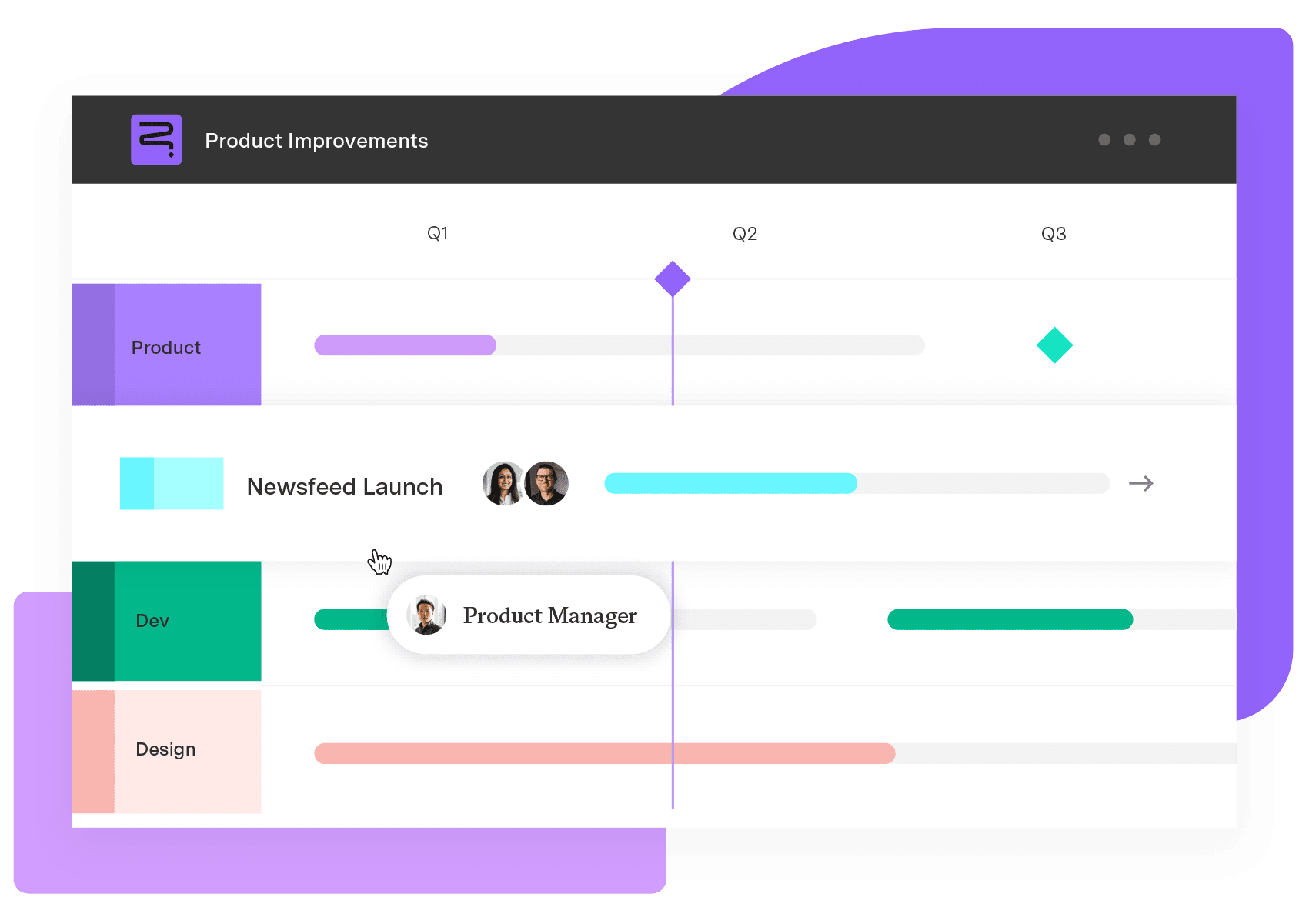
Strategic Roadmaps helps you stay aligned, organized, and collaborative with boardroom-ready roadmaps that visualize project plans. You can customize views, track dependencies, and use templates to show how your projects connect to your broader goals – all while keeping stakeholders informed.
And Tempo’s benefits don’t end at the planning stage. Structure PPM provides a portfolio roll-up view across projects for high-level monitoring. Tools like Timesheets, Financial Manager, and Capacity Planner work together to improve data collection and resource allocation, ensuring optimal efficiency. Meanwhile, Custom Charts and our BI Connector enable audit-ready reporting and real-time dashboards.
Tempo products integrate seamlessly into your tech stack to deliver vital data and robust management tools. Our solutions empower you to make informed project governance decisions that improve results across the organization.
Start a free trial today to streamline your project planning and achieve your goals.
Strategic Roadmaps
Build your portfolio vision with Strategic Roadmaps. With powerful visualization capabilities, you can communicate strategy to the entire organization and gain alignment around strategic objectives, product goals, and milestones.
Start a Free TrialA team manifesto fosters transparent communication, open collaboration governance & effective document management. Start your team’s manifesto today.

Boost your project's success with quality management. Discover its benefits, key elements, and top tools for effective implementation.

An AI governance framework covers model risk: Here is how to also govern the work your autonomous agents do, from capacity to cost to outcome.

Develop effective communication skills using nine impactful techniques that will improve the quality of your work and professional relationships.

Knowing how to engage stakeholders is crucial to successful project execution. Learn the different stakeholders and strategies to keep them engaged.
Learn to write an effective implementation plan that lets you manage your team’s activities, allocate resources, and execute the project with ease.

The Hoshin Kanri matrix helps your organization plan & execute key goals. Learn how to build your own, and guide your team from strategy to execution.

Discover how strategy execution management bridges the gap between planning and doing. Learn tips to ensure your organization achieves its goals.
Learn how enterprise project management drives success by improving resource utilization and risk management Explore strategies for project execution.