Agile PI planning is an integral part of the SAFe project management framework. Learn about contributors, inputs & outcomes of a productive session
Program increment (PI) planning is a vital event that builds alignment among agile release trains, prioritizing backlogs & uncovering dependencies.

Program increment (PI) planning is the two-day, cadence-based event where every team on an Agile Release Train (ART) sits in the same room — physical or virtual — and commits to what they will deliver over the next 8 to 12 weeks. It is the beating heart of SAFe, the mechanism that keeps cross-functional agile teams aligned when a single product spans a dozen Scrum teams.
Alignment breaks down at scale for one reason: teams plan in isolation and discover conflicts too late. PI planning forces the conversation up front — priorities, dependencies, timelines, capacity — before a single sprint begins.
If you're new to SAFe or preparing for your first PI planning event, here's what you need to know.
PI planning is a time-boxed SAFe event, typically 1–2 days long and held every 8–12 weeks, where an Agile Release Train sets its direction for the next program increment. SAFe organizes multiple cross-functional agile teams into ARTs that work toward a common goal. During the session, stakeholders identify priorities, review current goals, and surface dependencies. The output is a SAFe roadmap that guides product development and decision-making for the next iteration.
The goal of PI planning is to synchronize workflows across an ART and align every Scrum team behind shared objectives. It's a structured communication process that tells everyone on the train what every other team plans to build. Without it, two teams working on the same feature could discover a critical dependency mid-sprint and force a rework that delays the release.
Beyond alignment, PI planning:
Regular PI planning ties the ART's objectives to the company's long-term strategy. It connects team activity to organizational outcomes, which improves engagement.
As a collaborative process, PI planning builds relationships between Scrum teams that would otherwise never speak to each other.
PI planning surfaces the features and projects that deliver the most value, keeping the ART focused on high-impact work.
By setting clear goals for each increment, PI planning gives ART leadership a stable frame for quicker, sharper problem-solving.
Alignment and streamlined workflows give teams the flexibility to respond to customer feedback faster and improve the end-user experience.
In short, PI planning aligns teams within the ART, surfaces user needs, and removes the productivity and collaboration roadblocks that kill scaled agile.
Key participants in PI planning include:
The release train engineer (RTE) leads and coaches stakeholders through the planning event. The RTE manages, facilitates, and oversees the planning process, keeping the session on track.
The Scrum Master partners with the RTE to guide the group through PI planning step by step. Responsibilities include:
Facilitating planning processes
Reviewing team capacity
Ensuring workloads are realistic
Aligning work with organizational goals
Managing time
Identifying dependencies
Offering insights during breakout sessions
The product manager steers the PI process by defining the product vision and key milestones while surfacing customer needs. They also review the finalized increment roadmap to confirm it delivers value to the end user.
Systems architects provide the technical expertise and guidance the ART needs to make sound architectural calls during planning.
Development teams within the ART design, test, and refine the product. They drive breakout sessions by refining user stories, identifying risks, and working with the product manager to finalize PI goals.
A clear agenda with room for discussion is what separates a productive PI planning event from a two-day meeting. The product manager opens with an update on the business context and the strategic vision for the upcoming increment. Once everyone shares the same background, the work begins.
#### 1. Product vision
The product manager outlines 10 key features or priority items from the backlog for development by the ART and covers changes since the previous PI planning meeting.
#### 2. Planning context
The RTE sets process criteria and establishes goals and objectives for the session.
#### 3. Team breakouts
Individual teams break away for a time-boxed session to estimate capacity and draft a development plan for the upcoming increment.
#### 4. Draft review
Each Scrum team presents the results of its breakout — capacity, PI objectives, risks, and dependencies — and the rest of the group offers feedback.
#### 5. Management review
The RTE, product manager, system architects, and Scrum Masters review the draft and address potential challenges such as:
Limited scope
Capacity issues
Resource allocation
Conflicting dependencies
#### 6. Risk assessment
The teams work together to classify increment risks into five categories.
1. Resolved: The team determines the issue is no longer a risk. 1. Owned: A team member is assigned to manage the unresolved risk. 1. Accepted: The team determines the risk is unavoidable and must be accepted. 1. Mitigated: The team determines a course of action to reduce risk impact. 1. Confidence vote: After assessing all the risks, stakeholders vote to gauge confidence in the ART's ability to address them.
#### 7. Refinement
Teams hold another time-boxed session to rework draft plans, address risks, and rebuild confidence in meeting the increment's objectives.
#### 8. Retrospective
Before closing the event, the RTE leads a retrospective covering what worked, what didn't, and how to improve for the next iteration.
The following practices help PI planning stakeholders get the most out of the session.
#### 1. Event preplanning
Build a checklist of everything a successful PI planning event needs, including:
A list of required stakeholders
Documentation from previous PI planning events, including backlog lists and roadmaps
A location with enough space for teams to move around and hold breakout sessions
Equipment for streaming the proceedings to remote or hybrid attendees
Project management software that supports Scrum team planning
The finalized agenda
#### 2. Make it fun
Avoid a monotone session. Icebreakers and shared lunches help the group relax and engage.
#### 3. Set clear goals and objectives
Establish outcomes for PI planning from the start so stakeholders understand the expectations for the event.
#### 4. Record each session
Live PI planning is the most effective format, but recording sessions lets absent team members review and discuss outcomes later.
#### 5. Time block and track sessions
Use time tracking to make sure every critical topic gets its slot and nothing gets skipped.
#### 6. Leverage templates
Use templates for project management, backlog grooming, and sprint planning to structure the discussion and capture key insights.
Implementing a scaled agile framework is labor-intensive, but Tempo tools take the mechanical work off the team so people can focus on the agile principles themselves.
Whether you're planning the outcomes of a PI or a sprint, Tempo's Strategic Roadmaps make it straightforward to visualize product development, priorities, and dependencies.
Capacity Planner is the tool Scrum Masters reach for when managing team capacity and resources across user stories or entire epics. It also gives leaders full visibility across the Agile Release Train, so resource sharing and performance tuning stop being guesswork.
Tempo products integrate with Jira, letting users customize dashboards and pull issues, data, and projects into a single interface.
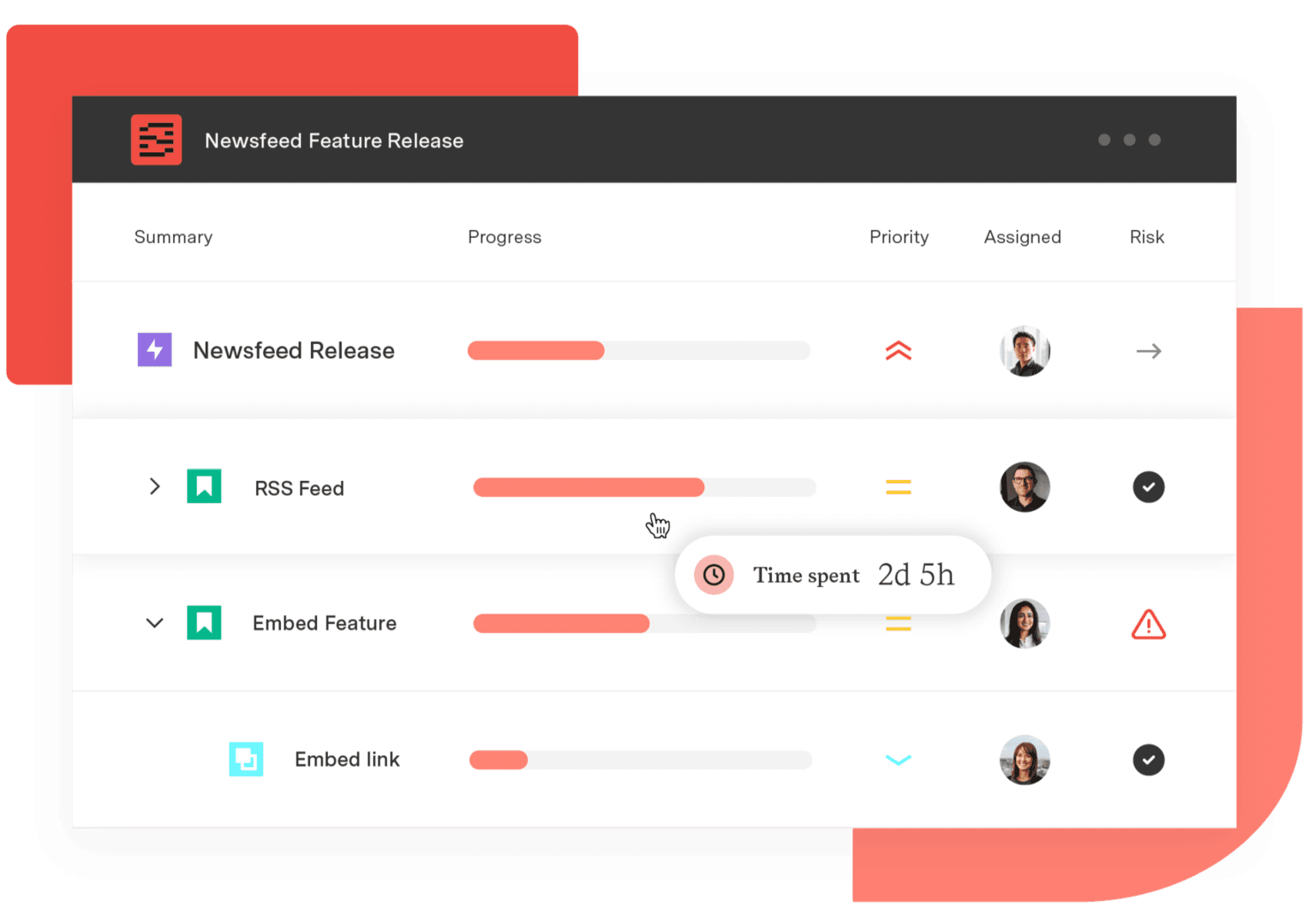
Structure PPM
Manage products, projects, and programs in a single spreadsheet-like view. By providing a clear, real-time view of project progress and resource allocation, Structure helps teams meet deadlines and adapt swiftly to changing priorities.
Start a Free TrialCouldn't find what you need?Go to our documentation
An Agile Release Train (ART) is a group of cross-functional Agile teams that share a common vision, project backlog, and roadmap. These teams collaborate toward a unified goal, working according to a fixed schedule.
Successful PI planning requires three critical inputs:
1. Executive briefings: Briefings provide context for the planning event and align stakeholders for the upcoming iteration.
2. Roadmap and vision: PI planning participants need a clear outline of management’s direction and vision for the future.
3. Program backlog: This is a prioritized list of product features and functionalities that the group will prioritize during the upcoming increment.
At the close of the PI planning session, stakeholders should:
1. Commit to PI objectives: PI planning results in a set of SMART goals outlining what the ART will achieve in the next iteration. Each team within the ART may have its own specific objectives based on the outcomes of the discussion.
2. Deliver a program or planning board: This board provides the iteration’s schedule, including milestones, timelines, and delivery dates, while identifying dependencies across agile teams.
Agile PI planning is an integral part of the SAFe project management framework. Learn about contributors, inputs & outcomes of a productive session

Whether it’s your first time or you’re a seasoned pro, this guide to SAFe PI planning will help you get the most out of each session.

Discover why agile release trains (ARTs) are necessary to complete cross-departmental and collaborative work.

This guide shares best practices and tips to create a better SAFe program board and improve your Program Increment planning sessions.

What's the best way to represent and track PIs? Creating a "PI" Jira issue, fixVersion, custom fields, components, or labels? Decide which fits best.

Learn step-by-step processes for Agile release planning, overcome common challenges, and discover how to deliver value faster with practical tools.

Learn how backlog refinement at scale keeps your agile team working on tasks that align with business goals & provide an enhanced customer experience.

There are clear advantages to program management: Visibility, dependency control, resource alignment. So how do you implement these capabilities?

What is traditional project management? Discover the tools of the project management trade and whether they have a place in your current practice.