Create meaningful issue displays, speed up workflows, and increase efficiency by learning the best practices for Jira screens.

Overseeing the orderly progression of a task from conception to completion is the core of project management. But effective task monitoring requires developing workflows your team can optimize to deliver consistent, high-quality outcomes.
Using a tool like Atlassian’s Jira helps project managers establish effective protocols. Jira enables teams to monitor a task’s progression, communicate changes, and stay on track using one seamless application.
But it’s not enough to simply adopt the software. Incorporating Jira best practices into your process ensures every team member has the support needed to deliver their best work.
Atlassian applied a customer-centric approach to developing Jira, focusing on flexibility and customizability. The application supports multiple management approaches — including Lean, Kanban, and Scrum agile methodologies — so project managers across industries and departments can easily plan and launch initiatives.
Jira workflow management provides visibility at all project phases with real-time data access. For teams juggling many recurring tasks, Jira offers an automation feature to improve productivity, governance, and performance.
And by integrating with third-party plugins like Tempo’s Strategic Roadmaps, Structure, and Timesheets, Jira offers additional elements like portfolio road-mapping and reporting functionalities. This synchronicity promotes streamlined project management in a single, easy-to-use application.
Using Jira for task management facilitates organizing and tracking work. Project managers can create an entry for every backlog item, including crucial details, milestones, and timelines, and then assign the task to a team member. The application also showcases item progress, flagging delays you can mitigate right away.
Individual team members can leverage Jira software for time tracking and task logging. They can also use it to report bugs and roadblocks, keeping everyone in the loop.
The first step to perfecting Jira’s agile workflow management is to familiarize yourself with Jira 101. To begin, here’s the basic task management process.
When creating a new Jira ticket, document its type and specifics. This information includes:
Issue
Task
Bug
Description
Label
These details allow for quick filtering. If the task is complex, divide it into smaller jobs to simplify management, linking subtasks to the original ticket directly from the dashboard.
Once you’ve entered task details, set milestones, deadlines, and task ownership. Ensure assignees know they’re accountable for completing their items on time and according to project plan objectives.
Teams can use Jira’s dashboard to view task status and responsible team members. As a project manager, you can adjust workflows by adding subtasks or revising due dates. Jira automatically alerts the team to these changes so everyone stays informed.
It’s important to close off complete tickets to keep your dashboard organized and accurate. Begin by verifying the owners have delivered all subtasks and addressed additional requirements or changes. Then, mark the task as “resolved” or “closed,” freeing assignees to move on to the next item.
Project management software is only effective if you know how to optimize it. To take full advantage of Jira’s capabilities, follow these practical tips.
Keeping tasks and workflows well-ordered using Jira makes it easy to sort through issues and assign the right people to each item.
Create an orderly management system by:
Creating customized issue types and labels for quick identification and assignment
Labeling each item for simple filtering
Establishing individual task boards to track and manage different kinds of work
Grouping work into sprints to avoid overwhelming your team
Ensure all background information and updates are straightforward and detailed — whether you communicate through channels like HipChat or within the Jira software. Clearly define expectations, requirements, and timelines. Ensuring that everyone understands the project criteria can preserve resources and avoid delays.
While it’s essential to clearly define expectations and requirements, don’t go overboard with the specifics. An overemphasis on irrelevant details can lead to confusion and delays, so keep assignees focused by limiting information to the necessities.
Avoid placing the most complex items at the top of your priority list. Instead, follow agile principles and begin with essential items that meet customer needs. This lets your team deliver project outcomes that drive maximum customer value. And beginning with your most challenging tasks might cause delays due to a lack of preparation, resources, and budget.
To ensure peak team performance, keep your processes lean, including only the necessary phases for clarifying your workflow. Too many task statuses increase complexity, making processes difficult to understand and slowing your team down.
You can align your team with project schedules using time-tracking Jira’s functionalities to complete work promptly. Reviewing progress also reveals blockages, letting you intervene before delays impact delivery dates.
Consult with team members and customize workflows to meet their needs. Depending on your project’s requirements, include representatives from all project groups to create a cross-functional team, helping you develop a multi-beneficial work schedule.
No process is flawless from the start, so test workflow versions before implementing one to scale. You can start small, focusing on a single sprint planning session or one-off project. Collect feedback and incorporate suggestions into the next iteration. Teams evolve, so remain flexible and open to adapting the workflow as needs change.
Every team is unique, and Jira is customizable to meet your group’s distinct needs. Select templates to configure workflows and processes that best suit each project team. You can include additional plugins like Confluence from Atlassian or a third-party provider like Tempo to create a tool that benefits everyone equally.
Whether you operate within a lean agile framework or use other project management formats, synching Jira tasks and workflows to your Scrum or Kanban boards improves sprint planning and performance. Jira allows you to:
Provide visibility to backlogs
Estimate stories
Adjust scope
Monitor progress
Re-prioritize tasks in real-time
Connect high-level strategies with day-to-day task management by seamlessly synching Jira and Tempo’s Strategic Roadmaps software. Strategic Roadmaps creates audience-friendly visual roadmaps of all your projects so you can track work, prioritize ideas, and monitor workflows — keeping your project team on the path to success.
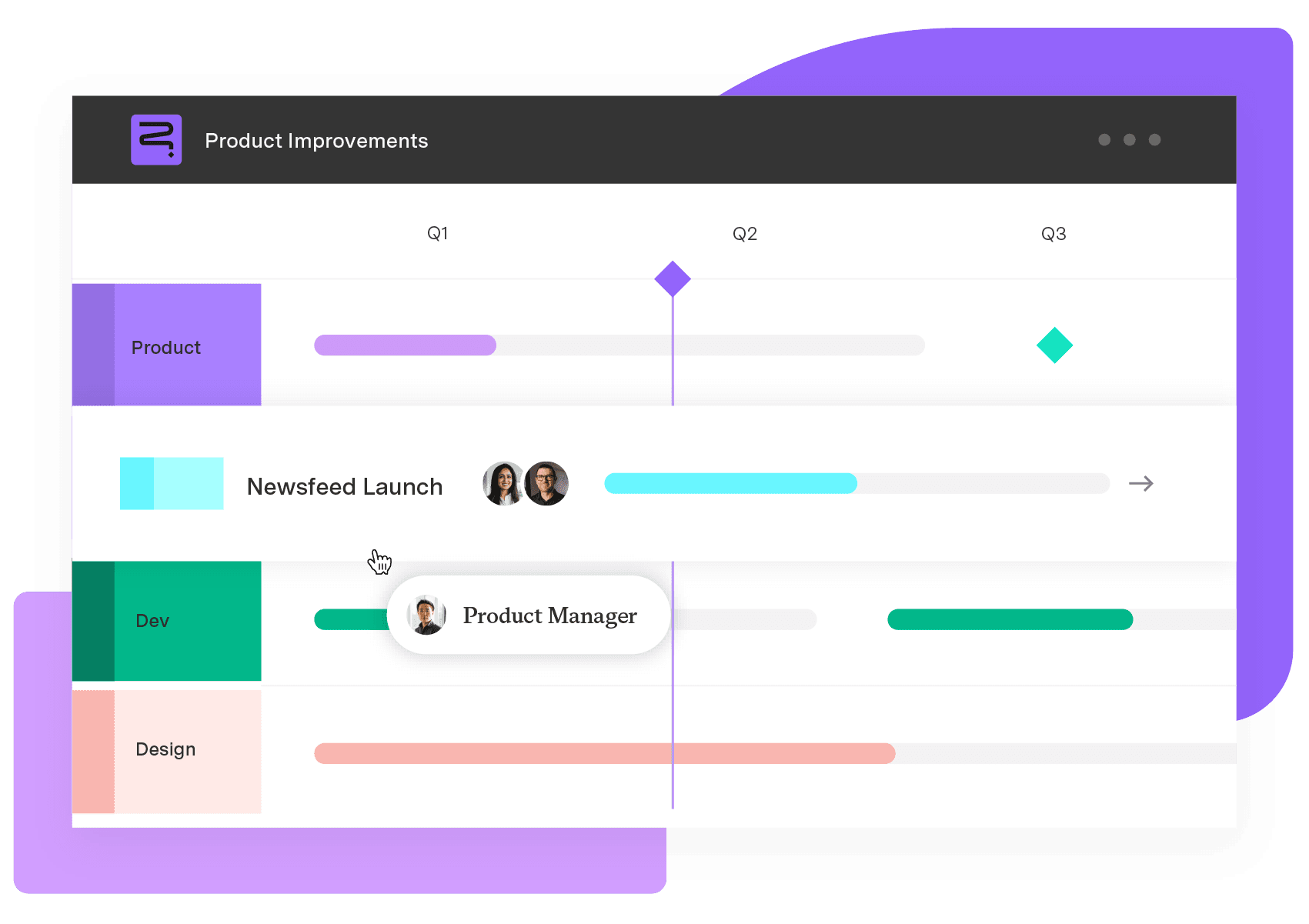
Strategic Roadmaps
Build your portfolio vision with Strategic Roadmaps. With powerful visualization capabilities, you can communicate strategy to the entire organization and gain alignment around strategic objectives, product goals, and milestones.
Start a Free TrialCreate meaningful issue displays, speed up workflows, and increase efficiency by learning the best practices for Jira screens.

Limit access to sensitive tasks and information within your project management tool using Jira permission schemes at the global and project levels.

Take control of your workday. Learn how to integrate the Jira Calendar with Google to maintain focus on high-priority tasks and improve productivity.

Creating Projects in Jira is really simple; however, there are some things you should have in mind when creating a new Jira Project.

Explore how Jira plugins for Outlook enhance project management by automating task creation from emails and simplifying file attachments.

From core principles to best practices, discover how to use Lean portfolio management for transforming project outcomes and boosting efficiency.

Learn the best practices for professional services project management to optimize workflows and build a more successful business.

Take the fear out of scaling agile. Thanks to these agile case studies and best practices, you’ll discover secrets behind successful scaling efforts.

Support your team by using the best project planning tools out there, and discover how Tempo’s products can enhance your workflow.