Write an effective communication plan to keep stakeholders and team members connected. Here's all you need to know about creating a communication plan

In a goal-driven world, action plans are essential tools that show you and your team how to get from point A to point B.
Whether you’re working toward an individual project goal or a broader team initiative, you risk wasting time and effort without guidance. Instead, you can create and follow strategic action plans that set you and your team up for success.
An action plan is a document that outlines your plan of attack regarding accomplishing a single goal or larger project. It’s a type of roadmap that clarifies resources, tasks, and timeframes needed to successfully complete an initiative.
Some common action plan types include:
Business action plans: Business owners create action plans when starting, scaling, or strategically planning for a business.
Personal action plans: You’ll use these plans to determine how you’ll achieve personal goals like learning a new skill or improving your fitness.
Project action plans: Project managers use this common type of plan to outline how their team will complete an initiative.
Anyone working toward a goal can benefit from having an action plan, even if the goal is quite simple, because just creating a plan means you can work more strategically toward your objective.
As initiatives become more complex, action plans become increasingly valuable. They help project managers and business owners bring together cross-functional teams to collaborate effectively toward a shared objective. The purpose of an action plan is to create visibility and alignment — and that’s even more necessary when various individuals work together on a complex initiative.
Action plans also help with every part of project and business planning processes. Creators can use this planning stage to assess team bandwidths, available resources, and critical success factors and create more accurate project and strategic plans.
You might also use an action plan as a motivational tool, feeling inspired by the forward momentum of checking off tasks.
A well-crafted plan helps you determine a project’s scope, resources, and timeline. To create this strategic roadmap, you’ll follow this standard action plan format:
Steps: You can use the critical path method to outline the key steps you must complete to achieve success, defining “maybe” or “ideal” steps that branch off this critical path.
Tasks: You’ll outline every task involved to complete each key step.
Timeline: This defines the action plan’s entire duration, from start to finish. You’ll also add how long each step and task should take and set completion milestones.
Resources: Define the resources, like labor and materials, required to complete your action plan, correlating specific resources to each action item.
Tracking report: Once your action plan’s underway, you’ll use reporting tools like a Gantt chart or Kanban board to track task progress and resource use. Share and review this report with your team at defined points to ensure everything is progressing as planned, making adjustments as necessary.
Writing a plan of action may initially seem daunting, particularly if your project is large or resource-intensive. Follow this four-step guide to streamline the process and enjoy a thoughtful and strategic project plan.
Start by clarifying your goals and objectives. Goals are broad and longer-term outcomes, and objectives are the short-term, more actionable items you’ll complete to achieve these goals. For an app development project, a goal might be “Add four new features,” and an objective could be “Work on a feature’s mock-up every week this month.” You can consider your goals as the project’s key deliverables and your objectives as the steps, or milestones, along your roadmap.
Set these goals and objectives along a timeline, not yet adding a start and end-date.
Now, list every action item involved in completing each objective — these are your tasks. Working with your team, establish the resources and time frame necessary to complete each item. You can then add this up to create a more general resource management plan and overall timeline, including some buffer room to accommodate inevitable hiccups.
After you’ve created the first draft, ask your teammates for their input, implementing any changes if necessary. Then, keep this action plan somewhere central where everyone can access it and assign someone to update it as the project commences. Refer back often to check on progress and make adjustments.
During project closure, host a team retrospective to review the original plan and the result. Use this information to create more strategic and accurate plans and implement process improvements where needed.
Follow these best practices to make the most of your action plan:
Use a template: You can create a template from the above four-step guide to streamline and standardize the action planning process organization-wide.
Create a communication plan: You’ll want to check in with your team often to ensure the plan accurately reflects progress, so during this planning phase, also create a communication plan that outlines scheduled check-ins.
Set up alerts: Link your action plan with a project management software that allows you to create alerts for when time and other resources run low.
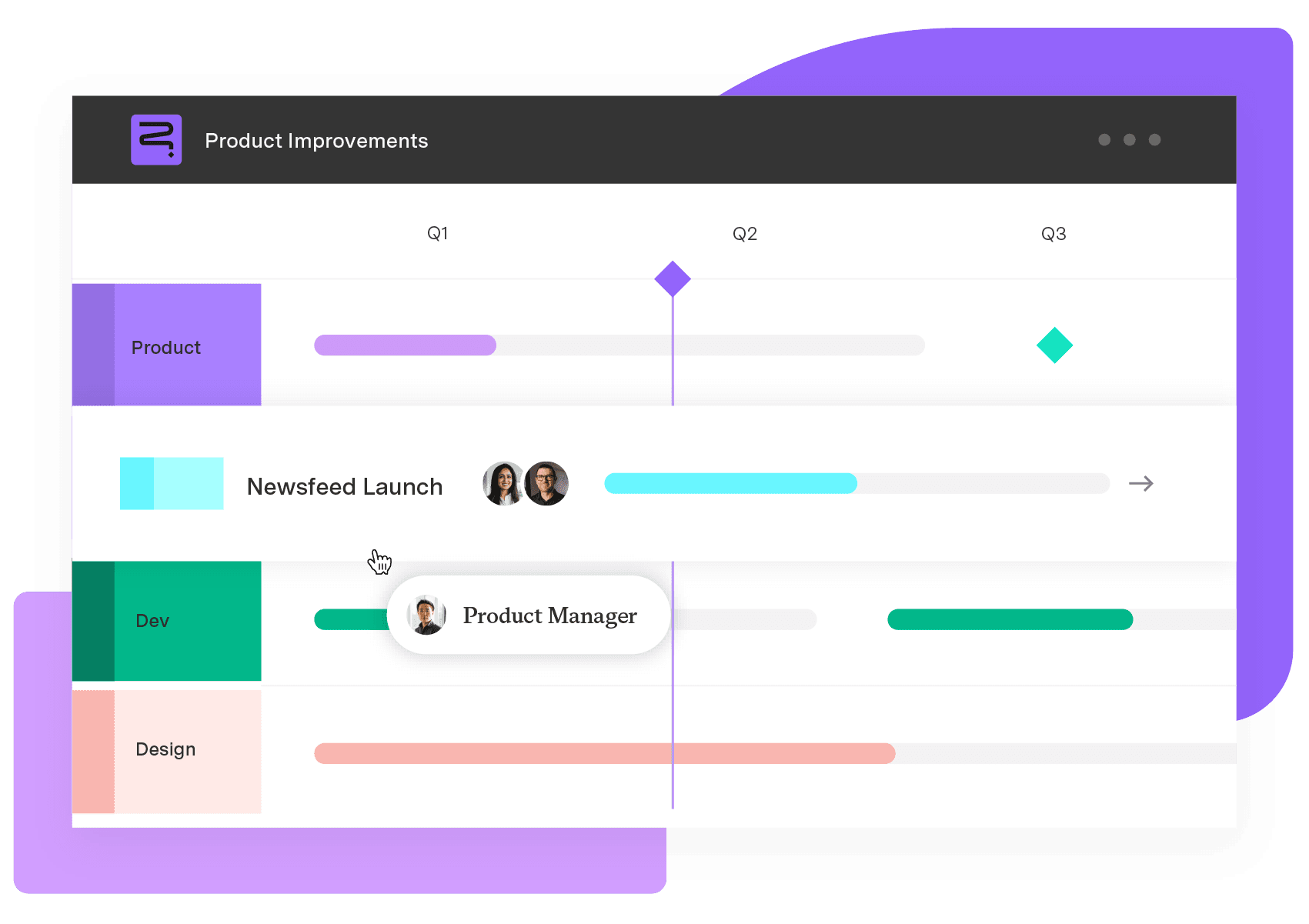
Whether you’re using an action plan to achieve a personal, team, or overall business goal, great tools ease the process. Use Strategic Roadmaps by Tempo to create a visually stunning and flexible roadmap that clearly outlines each step. Then, try Timesheets by Tempo to gain more accurate estimates of team task times.
Strategic Roadmaps
Build your portfolio vision with Strategic Roadmaps. With powerful visualization capabilities, you can communicate strategy to the entire organization and gain alignment around strategic objectives, product goals, and milestones.
Start a Free TrialWrite an effective communication plan to keep stakeholders and team members connected. Here's all you need to know about creating a communication plan

our content plan is how you connect with your audience and build brand recognition. Here’s how to create a content plan and engage customers.

Create a successful onboarding strategy with a 30-60-90 template. Learn how to plan, track, and achieve your goals in the first three months.

Translate your mission and vision statements into action by outlining high-priority goals and objectives with a strategic plan template.

Corrective action plans resolve issues and prevent recurrence. Learn how CAPs improve accountability, compliance, and long-term success.
Learn how to create a stakeholder engagement plan that boosts collaboration, improves communication, and drives successful project outcomes.
Learn how a professional development plan is good for everyone, helping workers advance their careers while developing capacities to meet goals.

Should project managers use a work plan, action log, or both? Learn how to choose the right PM tool for the job in this post.
Stretch goals are just outside your reach, but that doesn’t mean they’re unachievable. These are ambitious goals that push you and your team further.