50+ product management resources updated for 2026
Books, podcasts, tools, courses, and communities that working PMs actually use – 50+ picks curated from real conversations.


Key Takeaways
Strong PM reading lists combine product strategy (Cagan, Perri) with lean methodology (Ries, Olsen), plus behavioral psychology (Ariely, Cialdini) and at least one book from outside the discipline entirely.
Practitioner-written newsletters beat broad aggregators for staying current. Lenny's Newsletter and The Beautiful Mess come up most often in working PM stacks.
PM tooling falls into a few working categories: roadmapping, design and collaboration, product analytics, and customer research. Most teams end up running one tool from each category rather than trying to consolidate onto a single all-in-one platform.
Good product management resources are hard to find because product management is one of the last disciplines with no standard curriculum and no accreditation that signals readiness.
High-achieving PMs have assembled their own reading lists and their own newsletter stacks, plus a handful of Slack groups they actually pay attention to – built up over years of shipping products and watching which sources held up under real pressure.
A resource list is only as useful as the taste behind it, which is why most generic top-100 roundups age badly.
The harder question behind any PM resource collection is what you're trying to get better at this year. A PM running a first zero-to-one release and a PM inheriting a mature growth product will borrow from very different stacks, and the list that helps one will waste the other's evenings.
The sources below are valuable for both camps, but the right move is to pull three or four and drop the rest the moment they stop changing how you run your week.
Quick picks by category
Category | Top pick | Why it stands out |
|---|---|---|
Book (strategy) | Inspired – Marty Cagan | The PM book most recommended by working PMs, grounded in discovery and delivery experience from eBay and Netscape |
Book (operations) | Escaping the Build Trap – Melissa Perri | Diagnoses the most common failure mode in product orgs and gives a concrete path out |
Newsletter | Lenny's Newsletter | The single highest-signal PM newsletter, with data-backed advice from operators at top companies |
Podcast | Lenny's Podcast | Long-form interviews with product leaders who share specifics, not theory |
Course | Reforge | Six-week cohorts taught by experienced executives; grounded in real product work |
Community | PMHQ (Slack) | The most active PM Slack community for career advice and practical questions |
Roadmapping tool | Tempo Strategic Roadmaps | Native Jira integration for teams that plan and deliver in the same system |
Analytics tool | Amplitude | Deep behavioral analytics with strong cohort and funnel analysis |
Design tool | Figma | Industry standard for collaborative design that keeps PMs, designers, and engineers aligned |
Product management is one of the last disciplines where the best practitioners are almost entirely self-taught. No accreditation. No standard curriculum. No degree that signals readiness. The PMs I trust most have a reading list, a newsletter stack, and two or three Slack groups they actually pay attention to – built up over years of shipping products and watching which resources held up under real pressure.
This guide collects the product management resources that came up most often in those conversations: books working PMs return to, newsletters they actually open, tools they rely on, communities where they get real answers fast. It's a starting point curated from practice, not a definitive index.
Product management books worth reading
Core PM reading
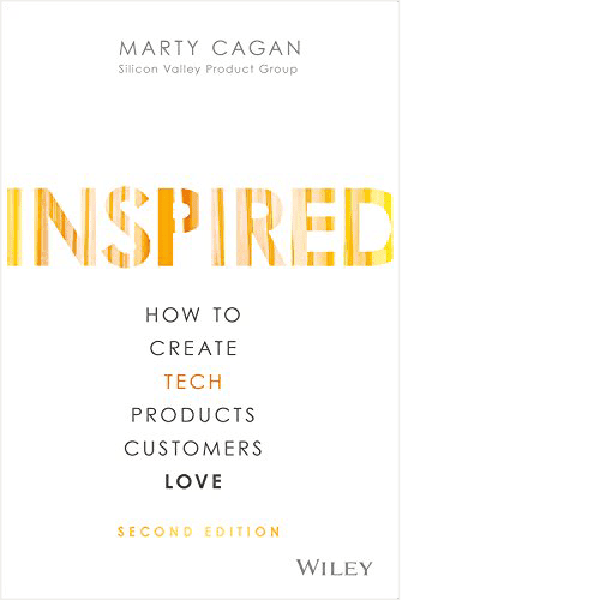
Marty Cagan's Inspired is the first book many PMs are handed and the one they still reference years later. It walks through product discovery and delivery from someone who ran product at eBay, Netscape, and Google. If you're thinking about how to build products people actually want, start here.
Melissa Perri's Escaping the Build Trap addresses what goes wrong when product teams focus on shipping features rather than solving problems. It's a diagnosis and a practical guide to fixing it.
Jeff Patton's User Story Mapping – written by the inventor of the method – shows how user story mapping can reshape the conversations teams have about what they're building and why.
Eric Ries' The Lean Startup established the build-measure-learn framework that now underpins most lean and agile product thinking. It's specifically about early-stage product development – how to validate before building.
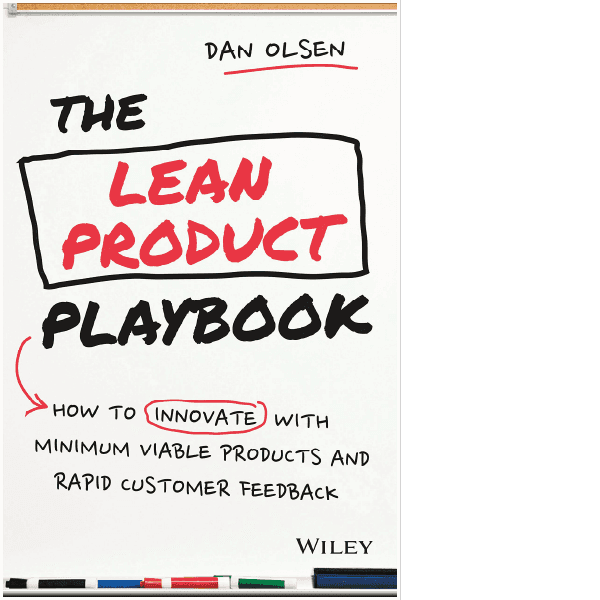
Dan Olsen's The Lean Product Playbook makes the lean startup methodology practical and step-by-step for teams at any stage, from startups to mature enterprises.
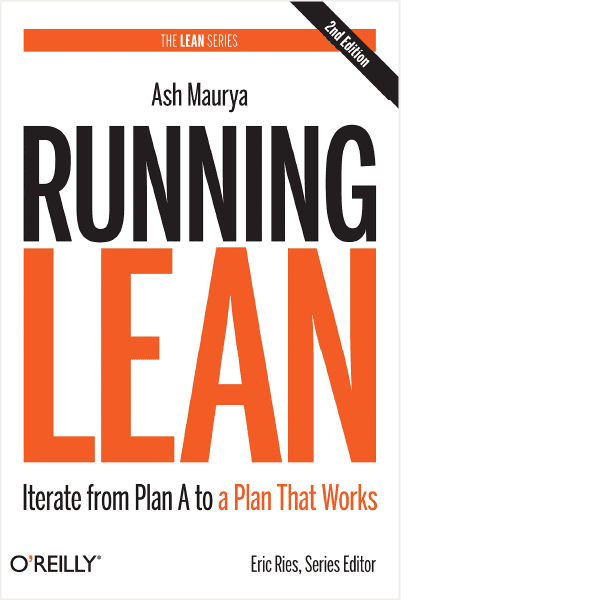
Ash Maurya's Running Lean applies lean startup, Customer Development, and bootstrapping principles specifically to the challenge of achieving product–market fit and sustainable business growth.
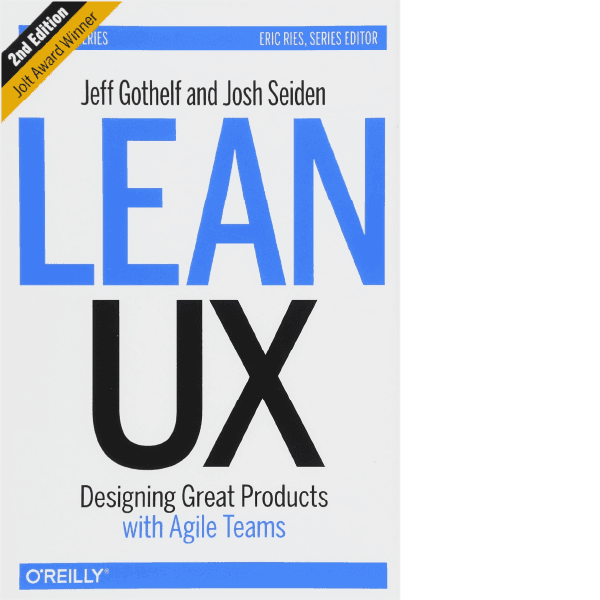
And Jeff Gothelf and Josh Seiden's Lean UX covers how to apply lean thinking to design and user experience – particularly useful for PMs who work closely with UX teams.
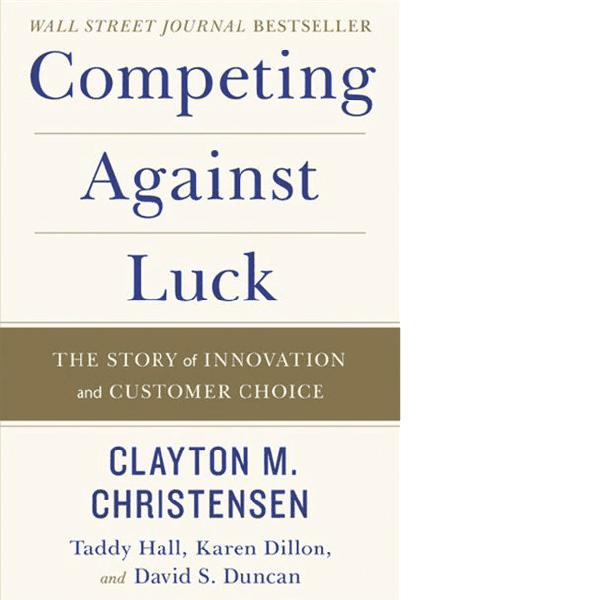
Clayton M. Christensen's Competing Against Luck lays out the Jobs to Be Done framework for understanding what customers are actually trying to accomplish and building products that deliver on that at premium prices.
Matt Lemay's Product Management in Practice focuses on the connective skills that matter most: communication, organization, research, execution. It works across industries and team types.

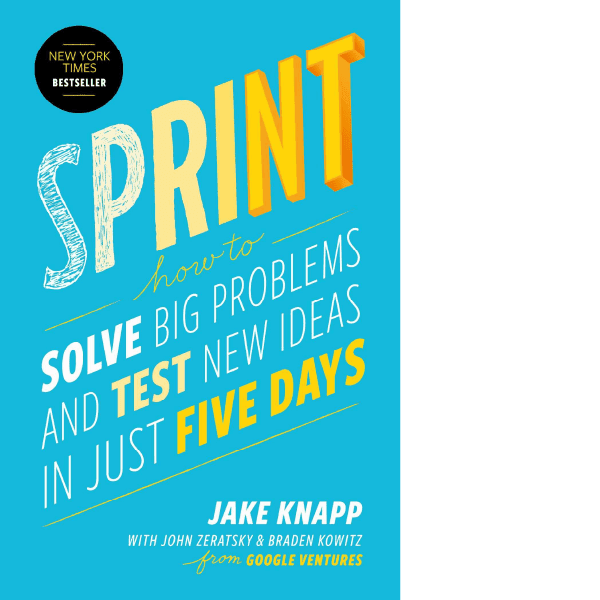
Jake Knapp's Sprint describes the five-day design sprint process developed at Google – useful for any team that needs to answer critical questions quickly through prototyping and user testing.
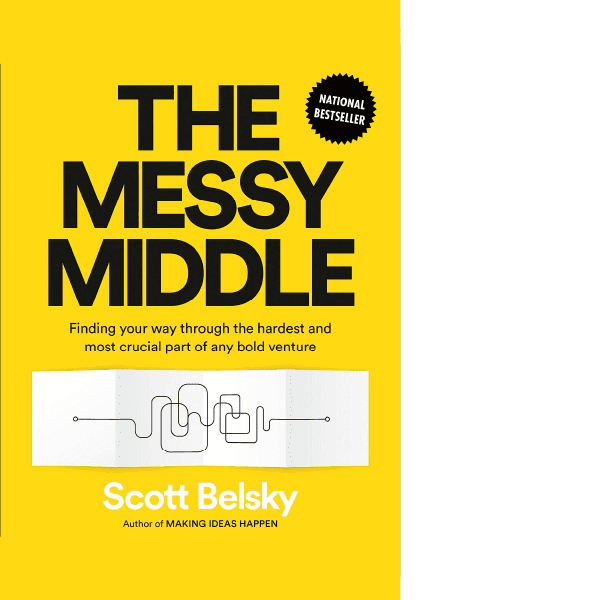
Scott Belsky's The Messy Middle addresses the chaotic, uncertain part of building products that comes between the excitement of starting and the clarity of finishing. Aimed at founders, but it applies directly to PMs leading long product cycles.
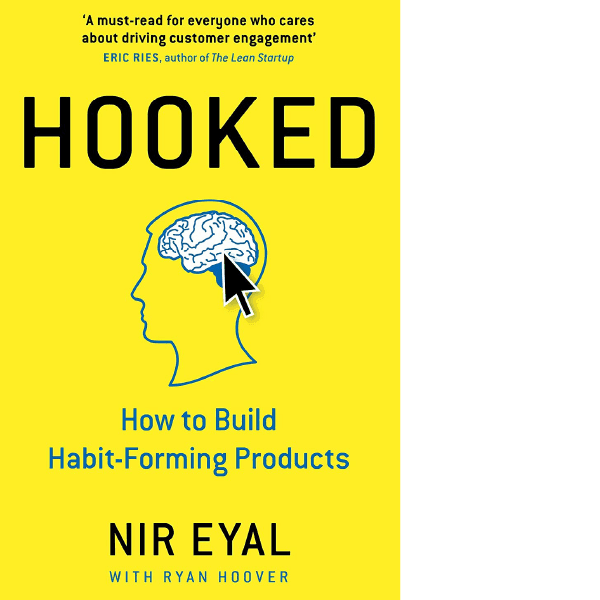
Nir Eyal's Hooked gives PMs a practical framework for understanding customer feedback loops and building habit-forming products. The Hook Model – trigger, action, variable reward, investment – appears in product reviews across the industry.
Teresa Torres' Continuous Discovery Habits is one of the newer entries on PM reading lists, and it's earned its place fast. A structured approach to weekly customer touchpoints that connect product decisions to actual user needs. If you're building a discovery practice from scratch, this is the one.
Broader reading that experienced PMs recommend
Ben Horowitz's The Hard Things About Hard Things is standard reading for startup founders and consistently recommended by PMs who've moved into leadership roles. Candid about the decisions that don't have good options.

Chris Voss's Never Split the Difference is a negotiation book by a former FBI hostage negotiator. PMs recommend it for user interview technique and stakeholder alignment – the psychological principles of persuasion transfer directly.
"It's an interesting book about negotiation punctuated by exciting anecdotes. I found it very helpful in understanding more about psychology and finding some techniques to be more effective in user interviews." – Anthony Morelli, Product Manager at Lucid Software

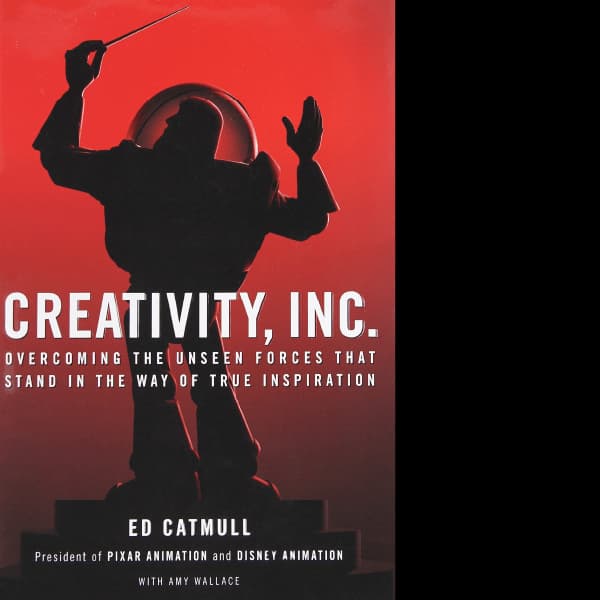
Ed Catmull's Creativity, Inc. documents how the co-founder of Pixar built and sustained a creative culture. PMs read it for culture-building and communication – how to make space for ideas that aren't obvious or safe.
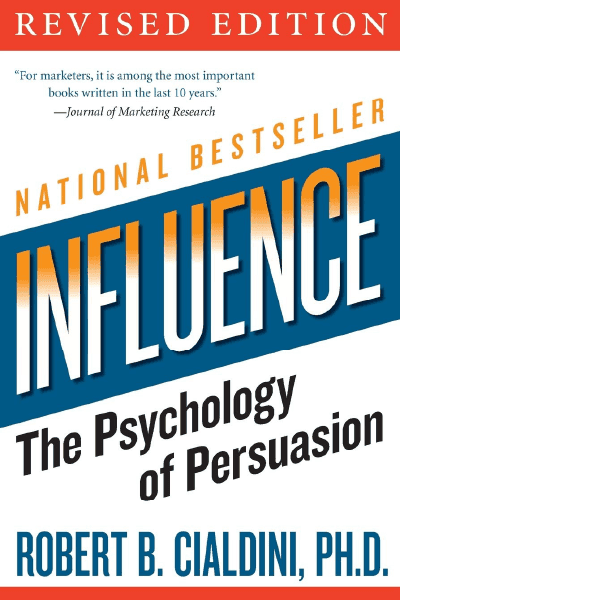
Robert Cialdini's Influence (first published 1984) remains the most systematic treatment of persuasion in print. Understanding how people make decisions under influence matters directly for product design and stakeholder communication.
Dan Ariely's Predictably Irrational challenges the assumption that people make rational choices. The behavioral economics principles have direct applications to product design, pricing, and how features get adopted.

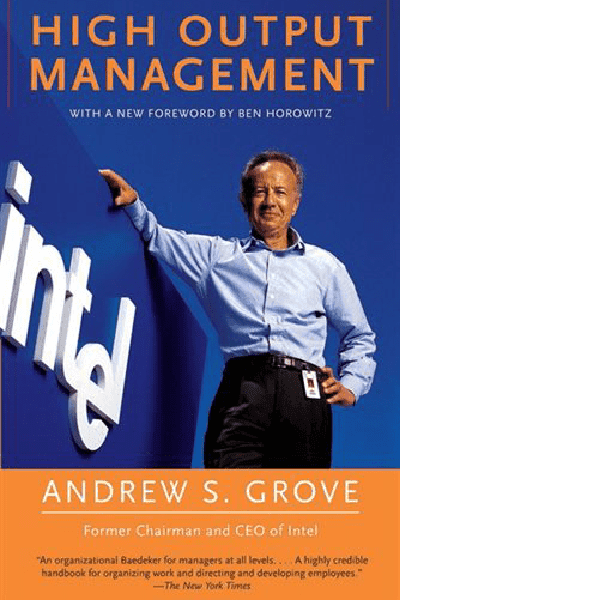
Andy Grove's High Output Management is built on the conviction that good management is the foundation of everything else. Praised by Ben Horowitz and Mark Zuckerberg, it's standard reading for any PM moving toward leadership.
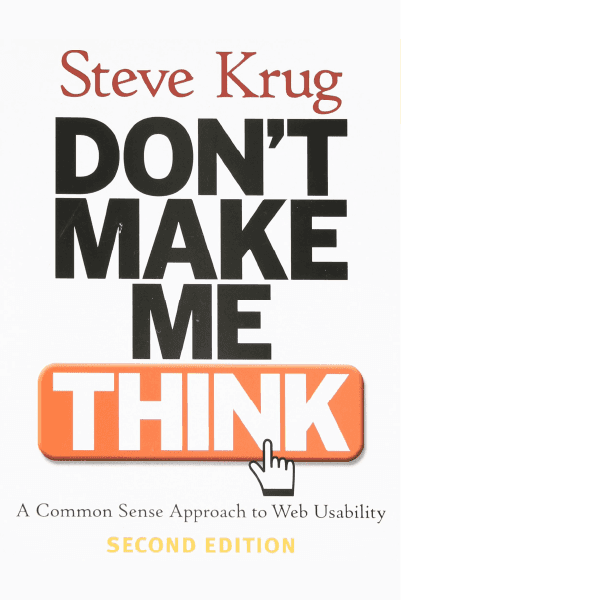
Steve Krug's Don't Make Me Think is technically about web usability and information design, but it belongs on every PM's shelf. The principles of intuitive navigation apply to any product experience.
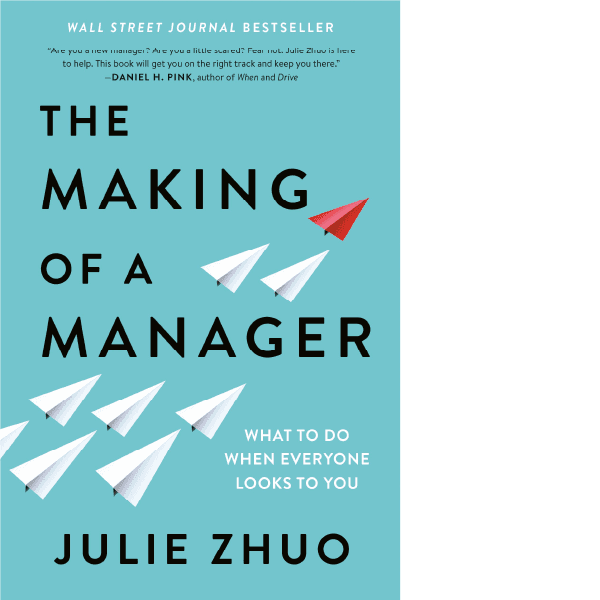
Julie Zhuo's The Making of a Manager helps PMs transitioning into management understand how to shift focus from personal output to group outcomes – a move that requires a real change in how you think about your job.
Tina Fey's Bossypants isn't a product management book, but it keeps showing up on PM reading lists. As one eCommerce PM put it: "It has nothing to do with Product Management and everything to do with improv. Being quick on your feet and saying 'yes and' are key skills to PMing."

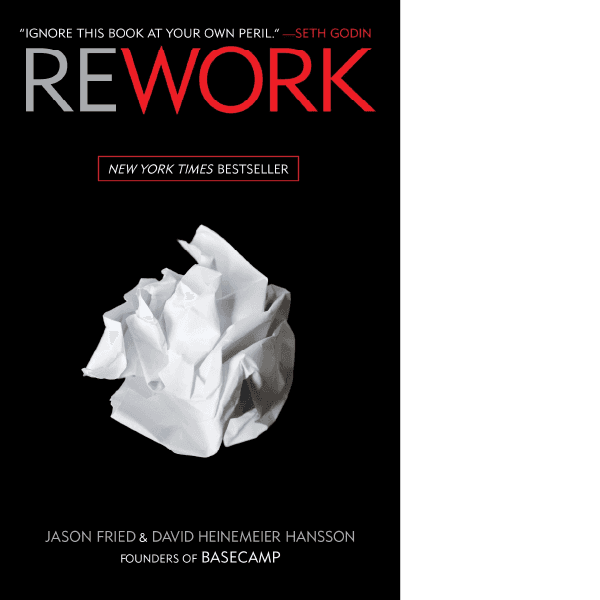
Jason Fried's Rework argues against the standard startup playbook – studying competitors, writing elaborate business plans, raising money. Less is more. Teams that default to doing less make better decisions.
Dale Carnegie's How to Stop Worrying and Start Living addresses something product management challenges create a lot of: stress and anxiety about things you can't control. The practical techniques have held up since 1948.

April Dunford's Obviously Awesome tackles positioning – the one thing most product teams get wrong without realizing it. If your product is good but people don't get what it does or who it's for, this is the book.
Product blogs and publications worth following
Stratechery (Ben Thompson) publishes long, analytical essays on business strategy in tech. For competitive dynamics, platform economics, and industry structure, it's the best single source.

Product Collective curates a weekly newsletter read by roughly 25,000 product people, pulling together product strategy, customer feedback, analytics, and community events.
a16z (Andreessen Horowitz) publishes research and commentary on technology, venture, and business – most useful for PMs who want to understand where the industry is heading, not just what's happening now.

Amplitude's Blog has built a solid library of practical resources on product analytics, experimentation, and growth. Worth bookmarking if you work with behavioral data.

Mind the Product is one of the largest PM community sites, with articles, conference talks, and job listings. Their ProductTank local meetups run in over 200 cities worldwide.
Department of Product publishes interviews, frameworks, and career advice aimed at mid-career PMs who are past the basics and looking for depth. The content tends to be more practical and less hype-driven than most PM publications.
Newsletters that PMs actually read
The best product newsletters are narrow in focus and written by practitioners. These came up most often in conversations with PMs.
Lenny's Newsletter – Lenny Rachitsky, former Airbnb product lead, writes data-driven advice on product, growth, and career development. It's become the most widely shared PM newsletter, and for good reason: the research is thorough and the advice is specific. I Manage Products – Jock Busuttil, founder of Product People, writes honestly about the day-to-day practice of product management.
The Beautiful Mess – John Cutler writes long, substantive pieces on cross-functional product development. One of the most original voices in the field. Good Product Management – Scott Colfer, Head of Product at the UK's Ministry of Justice, brings 15+ years of experience in public sector and nonprofit product work. Growth.Design delivers UX and growth case studies in comic book format – useful for anyone who thinks about product experience.
The Pragmatic Engineer – Gergely Orosz digs into the engineering side of building products. Invaluable for PMs who work closely with developers and want to understand their world better.
For VC-adjacent thinking on product and technology: Brad Feld's blog, Thomas Tunguz at Redpoint, Fred Wilson's AVC, and Connie Loizos' Strictly VC all maintain regular, substantive output.
Podcasts worth your time
The most useful product podcasts combine tactical advice with real practitioner experience. Not just theory.
Lenny's Podcast has become the go-to PM podcast. Lenny Rachitsky interviews product leaders from Stripe, Figma, and Notion, and the conversations go deep on specific problems rather than staying at the surface.
The Growth Show features conversations with product and growth leaders – Matt Bilotti from Drift has been a returning guest with consistently practical perspectives.

Product by Design goes deep on what makes great product experiences, with a UX design focus that's useful for PMs who want to understand the user experience side of their decisions.
Software Engineering Daily is for PMs with technical backgrounds who want to stay connected to engineering conversations. The mandate: "After every episode, you should feel like you are 1% better at understanding how software works."

Invest Like the Best covers ideas, methods, and investment thinking – useful for PMs who want to understand business models and strategic decisions beyond their immediate product context.

Rework (from Basecamp's Jason Fried and David Heinemeier Hansson) covers how to build a business without the standard playbook. Particularly useful if you're in a smaller company or skeptical of hypergrowth orthodoxy.
Product Thinking with Melissa Perri dives into how to build strong product organizations. Perri interviews practitioners and executives about real operational challenges – strategy, culture, hiring, and how to structure product teams that actually ship.
Product management tools
The right tool depends on your team's workflow, not on feature comparisons. Here's how working PMs categorize what they use.
Roadmapping and planning
Strategic Roadmaps connects strategic planning directly to Jira, so the product roadmap lives alongside the work it represents. For teams already in Jira, this removes the disconnect between what you plan and what you're building. The Jira sync means your roadmap updates as work progresses.
Aha! is built for product teams that want a dedicated strategy-to-delivery system – goals, initiatives, features, and release planning in one place. It's heavier than most roadmapping tools, which is either a strength or a problem depending on how much structure your org needs. ProductPlan focuses on visual roadmaps that are easy to share with stakeholders. Lighter than Aha!, and it works well for PMs who need to communicate plans without getting pulled into a full project management platform.
Jira isn't a product management tool by design, but it's where most product teams track work. If your engineering team uses Jira, your PM workflow will inevitably run through it. Pairing Jira with a dedicated roadmapping layer (like Tempo Strategic Roadmaps) gives you both execution tracking and strategic visibility.
Design and collaboration
Figma is the industry standard for collaborative product design. PMs use it to review mockups, leave comments, and stay aligned with design decisions in real time.
Miro is the default whiteboard tool for distributed product teams – brainstorming, design thinking workshops, user journey mapping, retrospectives. Not flashy, but it works for the kind of messy, visual collaboration that product discovery demands.
Product analytics
Amplitude provides behavioral analytics focused on product usage – cohort analysis, funnel tracking, retention curves. It's the tool most commonly mentioned by PMs at growth-stage companies. Mixpanel occupies similar ground with a slightly different interface philosophy. Some teams prefer its event-based model and simpler setup. The choice between the two often comes down to personal preference and existing integrations.
Hotjar gives PMs qualitative user insight through heatmaps, session recordings, and feedback widgets. It doesn't replace quantitative analytics, but it fills the gap between "what users did" and "why they might have done it." The session recordings are especially useful for understanding confusion in user flows.
Discovery and research
Product Hunt isn't a PM tool in the traditional sense, but it's where product-minded people discover new products and follow what's launching.
Many PMs check it regularly to stay aware of emerging tools and design patterns in their space.
Tool | Category | Best for |
|---|---|---|
Tempo Strategic Roadmaps | Roadmapping and planning | Jira-native roadmap planning connected to execution |
Aha! | Roadmapping and planning | Dedicated strategy-to-delivery with goals, initiatives, and releases |
ProductPlan | Roadmapping and planning | Lightweight visual roadmaps for stakeholder communication |
Jira | Execution tracking | Engineering work tracking paired with a roadmapping layer |
Figma | Design and collaboration | Real-time collaborative product design |
Miro | Design and collaboration | Whiteboarding, design thinking, and journey mapping |
Amplitude | Product analytics | Behavioral analytics, cohorts, and funnel tracking |
Mixpanel | Product analytics | Event-based product analytics with simpler setup |
Hotjar | Product analytics | Qualitative insight via heatmaps and session recordings |
Product Hunt | Discovery and research | Tracking new product launches and emerging tools |
Courses worth your time
Product management training varies significantly in depth and format. Here are the programs that came up most often.
Reforge runs Career Accelerator programs taught by experienced product executives – six-week cohorts covering strategy, retention, monetization, and growth. Well-regarded for being grounded in actual product work rather than theory.

Pragmatic Institute's Foundations is one of the most widely recognized PM training programs, offering in-person and online formats with hands-on practice, templates, and access to an alumni community.
Product Focus is UK and Europe-based training focused on technology products, with private training for companies and public courses for individuals.

Melissa Perri's Product Institute offers self-paced courses and frameworks from the author of Escaping the Build Trap. Useful at any career stage.

BrainStation's Product Management Certificate covers the full PM scope from opportunity discovery to MVP development to agile delivery, including design thinking and journey mapping.

Maven takes a different approach – cohort-based courses taught by operators, not academics. PM courses from people like Shreyas Doshi and Lenny Rachitsky show up regularly. The live format and small class sizes create accountability that self-paced programs don't.
Communities where PMs get real answers
These Slack groups, forums, and communities are where working PMs ask questions and get practical help.
TechMasters is for people who work in tech, from founders to individual contributors – good for discussing technical problems and learning from senior practitioners. ProductHive is Utah-based but broadly active, with free and low-cost lectures, workshops, and educational events for product, strategy, and design professionals.
PMHQ is one of the most active Slack communities for PMs – useful for breaking into product management, learning the role, and getting career advice. Product Collective is built by practitioners for practitioners. They run the INDUSTRY conference and host ongoing community conversations.
Product School has 60,000+ active Slack members, regular AMAs, and 26 local channels – one of the largest PM communities available.
Product Coalition costs $10/year and gives you access to 7,000+ members across 15+ channels including book clubs, interview prep, and career advice. Product-Led Alliance is for PMs working in or moving toward product-led growth (PLG) models. And Mind the Product goes beyond the blog and conferences – their community forums and local ProductTank meetups in 200+ cities connect PMs in person. Worth checking if there's a meetup in your area.
For teams using Strategic Roadmaps with Jira, the Atlassian Community and Tempo's own help resources are worth adding to your reading list. Both answer practical questions about roadmapping and delivery visibility in ways that general PM resources don't cover.
Sign up for a demo
Request Demo
2026 State of SPM report
This is the data you've been looking for
This original research from almost 700 PMO leaders shows you what is working, what is wobbling, and what it all means for SPM in 2026.
Download the 2026 State of SPM reportFrequently Asked Questions
Couldn't find what you need?Go to our documentation
Start with Marty Cagan’s Inspired and Melissa Perri’s Escaping the Build Trap – they cover the theory and culture of good product work. Add Eric Ries’ The Lean Startup for the build-measure-learn methodology and Teresa Torres’ Continuous Discovery Habits for a modern discovery practice. After those four, your direction depends on your current gaps: user psychology (Ariely, Eyal), process (Olsen, Patton), or management (Zhuo, Grove).
It depends on your team’s stack. If you’re in a Jira environment, Tempo Strategic Roadmaps connects planning to execution natively. For analytics, Amplitude or Mixpanel covers behavioral data; Hotjar adds qualitative insight. Figma and Miro round out the collaboration side. Don’t buy everything at once – start with the gap that’s costing you the most time or visibility.
Subscribe to two or three newsletters with strong editorial standards – Lenny’s Newsletter, The Beautiful Mess, and one community publication like Product Collective is a realistic set. Add one podcast for commute or exercise time. The goal isn’t to read everything; it’s to have a consistent input that keeps your thinking from getting stale.
Slack communities – specifically PMHQ, Product School, and Product Coalition – are where most working PMs get fast answers to real questions. The quality of responses depends on the community norms; the ones listed here have active, experienced members. LinkedIn and Twitter are useful for following specific practitioners, but the signal-to-noise ratio is lower.