

Product mix refers to the total assortment of products and services that a company offers to its customers.

A product line is a group of related products marketed under a single brand and managed by the same company. Defining a product line means understanding how a business organizes its offerings through similar characteristics, or through what market is being targeted, or the customer needs being met.
Products that make up a product line usually differ in features, price points, or target segments but remain closely connected under one brand umbrella. By offering variations, companies can appeal to different customer preferences, strengthen brand loyalty, and increase overall market share.
A product line helps organizations strategically expand their presence in a market without creating entirely new brands, making it a cornerstone of product management and marketing strategy.
Product lines allow companies to diversify their offerings while maintaining consistency in brand identity. For example, a company may sell entry-level, mid-range, and premium versions of a product within the same line to meet different customer budgets. This strategy provides flexibility, increases customer choice, and enables upselling opportunities.
From a management perspective, product lines simplify operations by grouping related products under shared development, marketing, and distribution strategies. This allows businesses to streamline processes while still innovating and updating individual items within the line.
Product line definition also extends to how businesses can retire, expand, or reposition offerings in response to changing consumer demand or market trends.
For some product line examples, let’s look at a few industries:
Example 1: Technology Apple’s iPhone product line includes multiple models such as the iPhone SE, iPhone 14, and iPhone 14 Pro. Each model targets different segments – from budget-conscious buyers to premium users – while staying under the same product family.
Example 2: Consumer goods Coca-Cola’s beverage product line features Coke, Diet Coke, and Coke Zero. While the taste profiles vary to meet different dietary and flavor preferences, they all fall within the broader Coca-Cola brand.
Example 3: Automotive industry Toyota’s Corolla product line includes variations such as the Corolla Sedan, Corolla Hatchback, and hybrid versions. These cater to drivers with different needs but remain part of the same recognizable line.
These product line examples illustrate how businesses tailor their product variations to different audiences while reinforcing brand identity and boosting revenue streams.
A well-designed product line delivers multiple advantages:
Market coverage: Reaches a wider customer base by offering variations.
Brand loyalty: Encourages repeat purchases within the same line.
Operational efficiency: Consolidates production, marketing, and distribution.
Revenue growth: Creates upselling opportunities through premium models.
For businesses, product lines reduce the risks of relying on a single product while maximizing customer engagement and sales potential.
Companies must carefully balance variety with complexity – too many variations can confuse customers or strain resources. Additionally, cannibalization may occur if one product in the line negatively impacts sales of another. Successful product line management requires ongoing market research, innovation, and strategic positioning.
In conclusion, a product line describes a collection of related products under one brand that meet different customer needs.
Looking at the above examples of a product line, it’s clear how businesses across industries – from technology to consumer goods – use this approach for growth. They are an essential tool for almost all companies – not just for internal understanding – but for your customers to grasp your products and to ensure your long-term success.
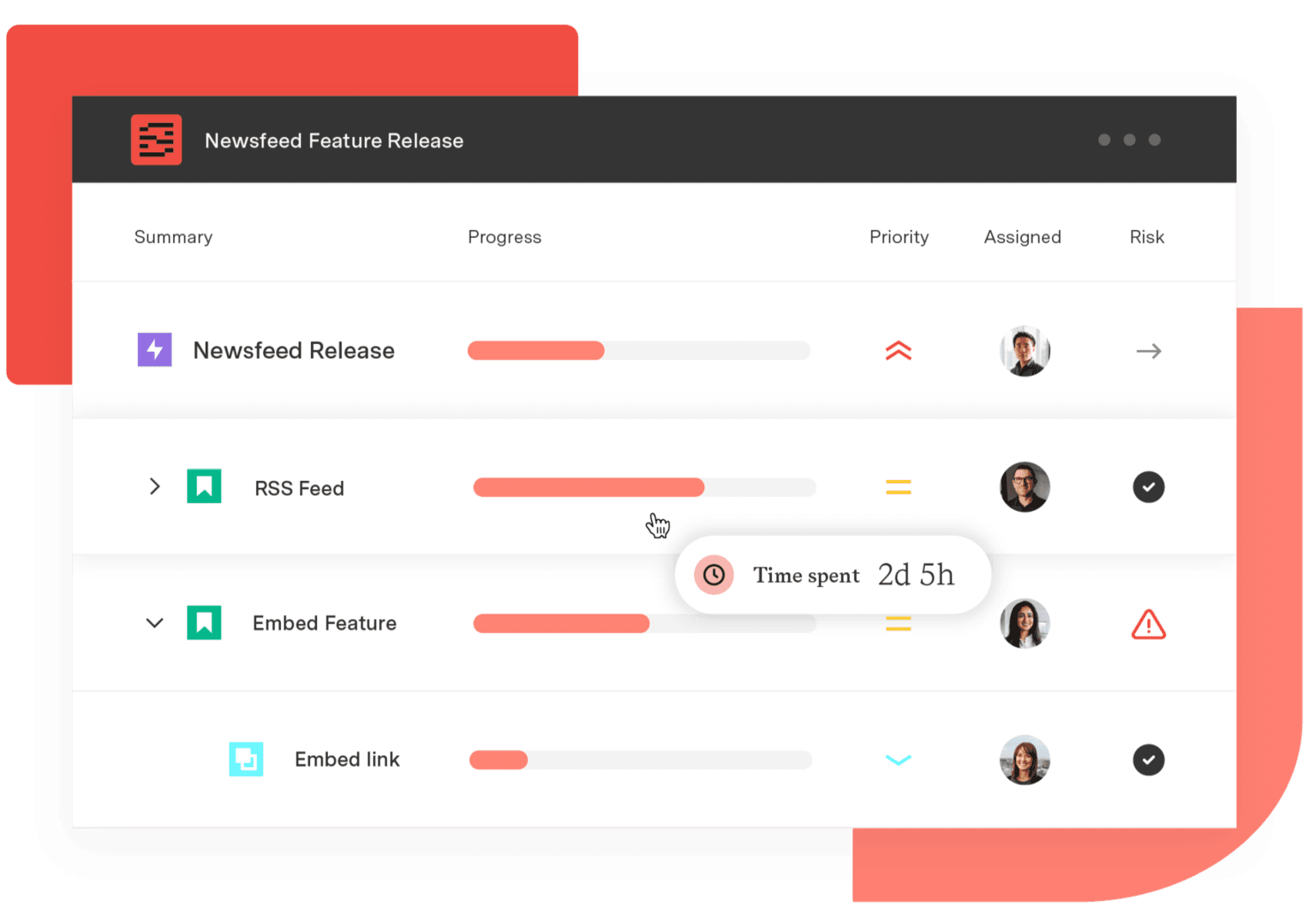
Structure PPM
Manage products, projects, and programs in a single spreadsheet-like view. By providing a clear, real-time view of project progress and resource allocation, Structure helps teams meet deadlines and adapt swiftly to changing priorities.
Start a Free TrialProduct mix refers to the total assortment of products and services that a company offers to its customers.

Discover how a product mix strategy can help your company optimize its product portfolio, meet customer needs, and achieve business goals.

Unravel the concept of the Product Lifecycle, from its definition to its pivotal stages. Learn through tangible examples.

A product portfolio refers to the complete collection of products or services that a company offers to its customers across different markets.
Product strategy is a long-term plan that outlines how a company will develop, position, and deliver a product to meet business goals & customer need,
Discover the definition of Total Addressable Market (TAM) and learn how to calculate it. Understand the difference between TAM, SAM, and SOM.

Explore product differentiation and how unique features and benefits help create a competitive edge and attract the right customers.

Learn about Annual Recurring Revenue (ARR) and how it measures the predictable arevenue generated by subscription-based products or services.

Learn about capacity planning, a strategic process that helps organizations allocate resources effectively to meet current and future demands.