Project managers perform structured investigations using root cause analysis to uncover why problems happen and prevent repeat issues.

As a manager, you can likely count on one hand the number of projects you’ve launched without a hitch.
Challenges are inevitable when overseeing a new initiative. Luckily, having an issue monitoring tool helps your team circumnavigate obstacles to maintain timelines, deliverables, and morale.
One such resource is an issue log — either as a stand-alone document or a catalog using project management software. This record allows you to track and address problems as they arise, preventing minor hiccups from evolving into major crises.
In project management, an issue log or register is a tool for reporting issues (any events that negatively impact progress and performance), communicating corrective action, and monitoring resolutions. Unlike project risks, which managers can anticipate using a SWOT analysis or TOWS matrix and document in a risk register, issues are unforeseeable. Dealing with them requires fast thinking and establishing a resolution plan as they arise.
Issue logs can take a variety of forms. Your team can create a simple list, use an Excel spreadsheet, or implement a tracking function within project management software to document issues in real time and monitor solutions.
At their most basic, these records archive and track issues and resolution statuses. But including additional details and context creates a dynamic issue management tool for documenting vital data. A complete picture of project hurdles helps your team prioritize and manage challenges continuously while cataloging valuable knowledge for future planning.
Depending on your project, your issue log might contain:
Issue numbers, IDs, and tags: Using a consistent identifier to log issues makes tracking them throughout the project lifecycle easier.
Statuses: Monitor the condition of an issue by noting whether it’s in progress, blocked, or resolved.
Descriptions: Provide a detailed summary of the problem and its severity so those responsible for problem-solving have a thorough understanding.
Categories: You can categorize issues according to factors like technical description, department, and internal or third-party dependencies.
Priorities: Your team likely won’t have time to address every issue simultaneously, so rank problems as high, medium, or low urgency. A prioritized list helps teams focus on the most pressing project concerns first.
“Raised by” records: Keep track of who first identified the issue. These individuals can be valuable resources, providing necessary background information to find the solution.
“Assigned to” records: Establish team accountability by noting members responsible for resolving the issue.
Open dates: Note the date you logged the issue.
Close dates: The resolution date can provide a timeline to teams for future reference.
Milestones: If the issue is complex, adding a progress bar or milestones lets project managers monitor solution development and address dependencies.
Comments: Note additional insights, such as whether the issue impacted other tasks or the likelihood of recurrence.
To truly benefit stakeholders, a project’s issue log must be accessible and contain up-to-the-minute information. It’s a living document that provides status visibility so teams can adjust their workflows and expectations to accommodate problem-solving efforts.
Recording project management issues helps kickstart problem-solving and avoid disruption to progress, outcomes, and stakeholder expectations. Issue log documents:
Provide an at-a-glance account so project managers can ensure problems are on track for resolution
Help teams understand roadblocks and how to avoid them in the future
Bring issues front and center so teams can promptly reduce impact and promote project momentum, efficiency, and success
Minimize team concerns and improve morale by clarifying management’s decision-making rationale
Creating an issue log for one-off projects simply involves filling out an Excel spreadsheet. Designate columns across the top of the table with data categories and fill in the rows as necessary. A straightforward example template might look like this:
ID # | Description | Category | Status | Priority | Raised by | Assigned to | Open date | Progress | Completion date | Notes |
A-01 | Fault found in primary circuit | Hardware | Open | High | Kelly J. | Ingmar F. | 12-01-23 | 50% | Expected: 02-02-23 | Requires circuit board redesign |
A-02 | Delivery of materials delayed | Third-party | Closed | Med | Jackson K. | Francis B. | 18-01-23 | 100% | 19-01-23 | Sourced parts from another supplier on a short-term contract |
A-03 | Product documentation incomplete | Development | In- progress | Low | Marshall R. | Ayesha M. | 22-02-23 | 25% | Expected: 05-03-23 | The team has the required specs, but Dev needs to formally add them to the project file |
For more complex initiatives that involve multiple cross-functional teams, project management software like Jira can ensure visibility and accessibility for everyone involved. Integrated features like forms, automation, and customizable templates make maintaining your records seamless.
When you sync your project management application with visualization software like Tempo’s Strategic Roadmaps, you’ll have a roadmap to guide team solutions. And this visual representation of ongoing and completed tasks helps organize workflows for maximum efficiency.
Incorporating standard best practices into your issue management helps you and your team optimize your issue log. Here are some primary considerations for maintaining an effective record.
Every challenge has a unique context, so log entries should be as specific as possible to help team members jump right into problem-solving. Chronicling an issue’s fine details at the outset prevents wasting time hunting down background information.
When someone creates a new log entry, don’t just assume your team is actively addressing the problem. Assign research and resolution tasks to individuals and check in regularly to ensure team members have the necessary resources.
Ensure your log is current by regularly evaluating priorities, closing out resolved matters, and providing task-by-task status updates. This lets your teammates understand which issues are still open, adjust workflows and expectations, and offer their support.
For complex issues, especially those with dependencies, note milestones within the corrective action plan. These markers should be more significant than your routine updates, indicating the solution’s overall progress and making it easy for stakeholders to understand where the project stands.
Whether implementing a new strategy or managing IT matters, product roadmaps, or project development, Tempo’s Jira-enabled Strategic Roadmaps software provides audience-friendly management templates. Use these resources to track issues, align teams with solutions, and centralize collaboration. And because Strategic Roadmaps works hand-in-hand with Jira, tickets automatically sync to linked items in the roadmap, keeping your team continuously up to date.
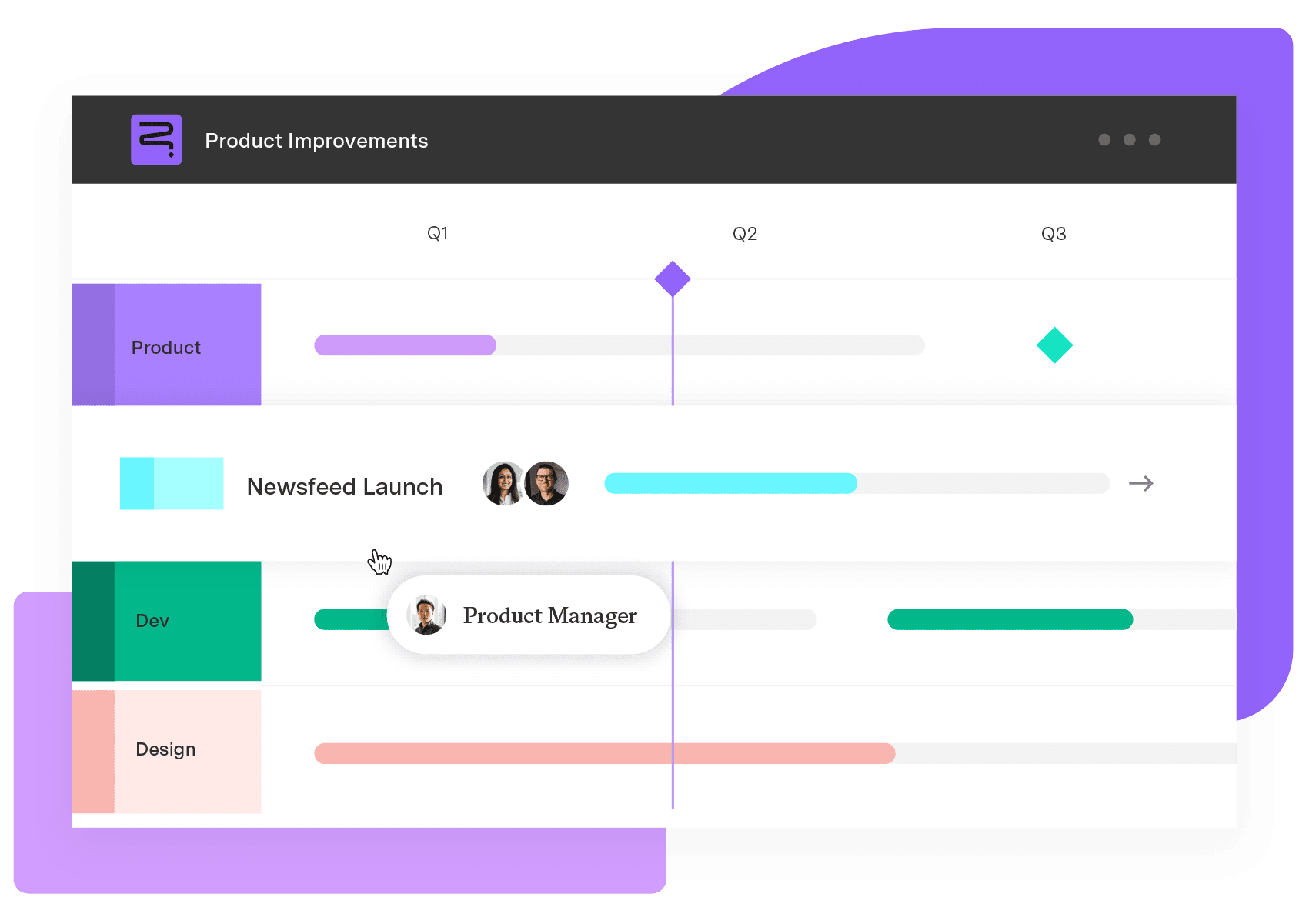
Strategic Roadmaps
Build your portfolio vision with Strategic Roadmaps. With powerful visualization capabilities, you can communicate strategy to the entire organization and gain alignment around strategic objectives, product goals, and milestones.
Start a Free TrialProject managers perform structured investigations using root cause analysis to uncover why problems happen and prevent repeat issues.

Learn how to use a fishbone diagram for cause and effect analysis and discover how it can uncover problems in your organization.

The 5 whys method for project management teams can get you to the root of your problems. Read how to use the 5 whys in project management.

Improve task prioritization by learning how to conduct the Pareto analysis and use the 80/20 rule to deliver outcomes with the greatest impact.

Corrective action plans resolve issues and prevent recurrence. Learn how CAPs improve accountability, compliance, and long-term success.

Learn how A3 problem solving streamlines root cause analysis, boosts collaboration, and drives lasting improvements with a structured approach.

Improve IT problem management with best practices and tools to reduce disruptions, enhance root cause analysis, and streamline resolution processes.
Understanding work orders and their role in maintaining vital project equipment helps you account for dependencies before they impact your timeline.

Want to become a project manager? Before starting your journey, learn more about the project management career path, responsibilities, and challenges.