

A sprint backlog is a list of tasks, user stories, or product backlog items that a Scrum team commits to completing during a sprint

A product owner plays a key role in agile and scrum frameworks. They define the product vision, manage the product backlog, and ensure the development team delivers maximum value. The product owner's definition highlights their accountability for aligning product decisions with customer needs and business goals.
When asking what a product owner is, it refers to the person who acts as the bridge between stakeholders and the development team. The product owner prioritizes features, communicates requirements, and ensures that the team’s work aligns with the overall strategy.
In practice, the product owner role combines elements of leadership, communication, and decision-making. They represent the customer’s voice within the team and ensure that every product increment delivers real value.
The product owner is one of the three defined roles in scrum, alongside the scrum master and development team. Their primary responsibilities include:
Defining product vision: Setting the long-term direction and purpose for the product.
Managing the backlog: Creating, prioritizing, and refining user stories to guide development.
Maximizing value: Ensuring every sprint delivers meaningful outcomes to users and stakeholders.
Stakeholder communication: Gathering feedback from customers, executives, and teams to inform decisions.
Decision authority: Making trade-offs between scope, time, and cost to keep the project on track.
A successful product owner balances business needs with technical feasibility, making them critical to the success of agile projects.
To better illustrate what a product owner is with some examples, consider the following scenarios:
Example 1: Software development team In a fintech startup, the product owner defines the features of a new mobile banking app. They prioritize tasks like secure login, payment processing, and account management, ensuring compliance with regulations while meeting user needs.
Example 2: E-commerce business A product owner at an online retailer oversees the development of a recommendation engine. They gather insights from marketing and customer feedback, prioritize the backlog, and ensure the new feature increases sales and customer satisfaction.
Example 3: Healthcare system In a hospital setting, the product owner manages the rollout of an electronic health records (EHR) system. They align medical staff needs, compliance requirements, and IT capabilities to ensure a smooth, valuable implementation.
These examples of what a product owner is demonstrate how the role adapts to different industries but always focuses on maximizing product value and meeting customer expectations.
A product owner must possess a unique mix of skills:
Strong communication: To align stakeholders and clearly articulate requirements.
Analytical thinking: To evaluate data, market trends, and user feedback.
Decision-making ability: To prioritize effectively and make trade-offs.
Business acumen: To ensure product decisions align with organizational goals.
Agile knowledge: To work effectively in Scrum and agile environments.
These qualities allow product owners to maintain clarity, prioritize correctly, and lead teams toward delivering impactful results.
The product owner ensures that teams build the right product, not just the right one. By focusing on customer needs and business value, they reduce wasted effort, enhance collaboration, and drive competitive advantage. In agile organizations, the product owner ensures responsiveness and alignment in fast-moving markets.
In summary, a product owner describes a role responsible for guiding product vision, managing the backlog, and maximizing value delivery in scrum. Understanding what a product owner does means knowing how they act as the link between stakeholders and development teams.
The product owner plays a pivotal role in agile frameworks, ensuring that products deliver meaningful outcomes for both users and organizations.
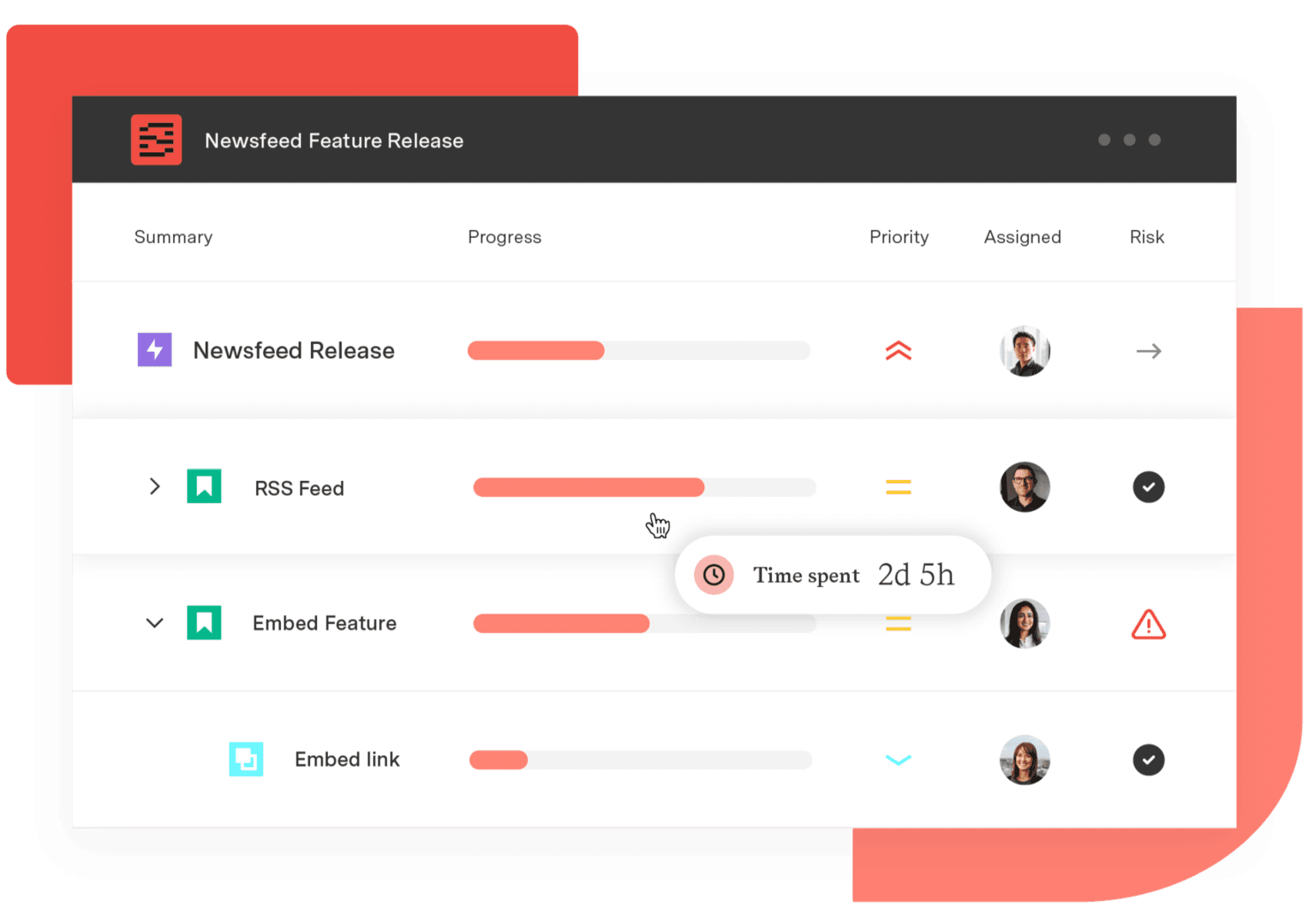
Structure PPM
Manage products, projects, and programs in a single spreadsheet-like view. By providing a clear, real-time view of project progress and resource allocation, Structure helps teams meet deadlines and adapt swiftly to changing priorities.
Start a Free TrialA sprint backlog is a list of tasks, user stories, or product backlog items that a Scrum team commits to completing during a sprint

Learn about Sprint Review in Scrum, a collaborative meeting where the Scrum Team showcases their work and gathers feedback from stakeholders

Explore the Product Backlog in Agile—its role in development, how it differs from user stories, and tips for effective backlog management.

Scrumban is a hybrid project management methodology that combines elements of Scrum and Kanban to create a flexible framework for managing work.

Learn what acceptance criteria are and how to write them effectively in Agile to ensure features meet requirements and are ready for release.

Learn what technical debt is, its impact, causes, and how Agile and Scrum manage it to keep software development efficient and sustainable.

Understand the essence of Backlog Grooming, its significance in agile development, the key players involved, and how it contrasts with sprint planning

A backlog is a prioritized list of tasks, features, or items that must be completed in a project or process.

Discover the Daily Scrum in our glossary. Understand its role in Agile methodologies, how it fosters collaboration, and its key questions and rules.