
Hammerhaus achieves cross-departmental alignment with Structure PPM

Key Takeaways
Strategic alignment: Management makes quarterly decisions based on unified Structure data spanning all departments
Efficiency gains: Proper tooling enables teams to accomplish five days of work in four
Cross-departmental collaboration: Marketing and Sales now adopting time tracking and project templates pioneered by IT
Scalability: Handling more projects with the same headcount through better visibility and planning
The challenge: Hammering down departmental silos
When Bastian Baumeister, consultant for project management and digitalization at Hammerhaus Germany AG, looked across his organization's project landscape, he saw a familiar problem: Departments working in isolation, duplicate planning efforts, and no unified view of work across the company.
Hammerhaus is a leading power tool manufacturer with approximately 2,500 employees worldwide, had long used Jira and Tempo Timesheets. They have chosen to be anonymous for this case study – but what is important is their issues, and results, are real.
Baumeister and his team began their digitalization strategy with IT – but it rapidly grew with Jira adoption into marketing, sales, finance, HR, and even facilities. However, this is when the limitations became clear.
"We wanted to connect all our projects from different departments in one overview," explains Baumeister, who serves as both Product Owner for Hammerhaus’ Atlassian stack and Project Lead for HR and finance initiatives. "The main problem was we didn't want two versions – one work version and one portfolio version. We needed them connected directly."
The company considered Microsoft Project for portfolio management, but the prospect of maintaining separate systems – and doing double work – was a non-starter.
Without a unified solution, management lacked visibility into cross-departmental dependencies, resource allocation was unclear, and strategic quarterly planning happened without complete data.
This is the story of the solution they found that ticked the boxes they needed: Unifying Timesheets with Structure Advanced.
Structured thinking from the ground up
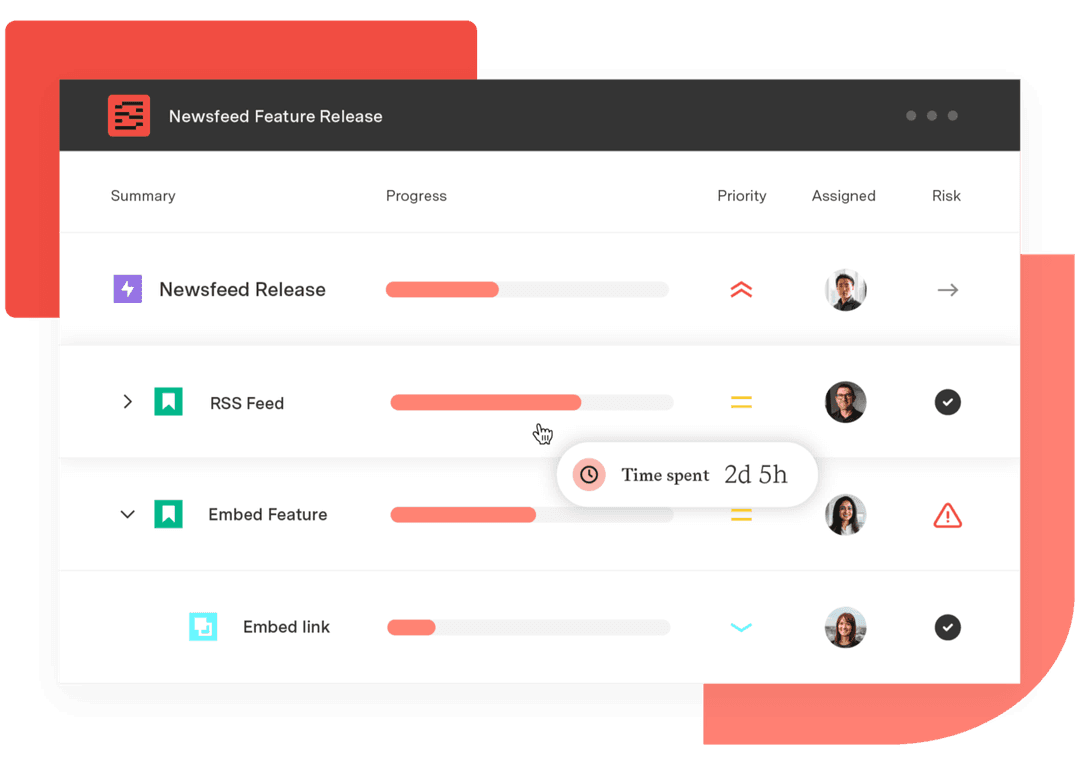
Two and a half years ago, Baumeister and a colleague implemented Structure and Structure Gantt to solve these challenges. Their goal was ambitious: Create a single source of truth that would aggregate projects from the lowest task level up to strategic portfolio views – without requiring duplicate effort.
"Jira is great, but if you want to track work being done at every level of your organization, you need Structure. We built a portfolio hierarchy that aggregates everything from the lower levels – complete transparency from individual tasks all the way up to strategic initiatives."
Bastian Baumeister, Consultant for Project Management & Digitalization at Hammerhaus Germany AG
Building a five-level hierarchy
Today, Hammerhaus uses up to five hierarchy levels in Structure for their bigger projects – far beyond what Atlassian's native timeline feature offers.
"Timeline is a bit too low-level because it only has epics and stories. No more hierarchy levels," Baumeister notes. "We use five hierarchy levels for bigger projects, for better visibility."
This deep hierarchy allows the company to:
Connect individual tasks to strategic initiatives
Visualize the critical path across multi-department projects
Roll up progress and time data from hundreds of users
Maintain one version that serves both execution and portfolio planning
Time tracking that drives accountability
Timesheets has been a cornerstone of the operations at Hammerhaus for over a decade, with approximately 100-150 people in the IT department relying on it for comprehensive time tracking. The longevity of this relationship speaks to the tool's reliability and value.
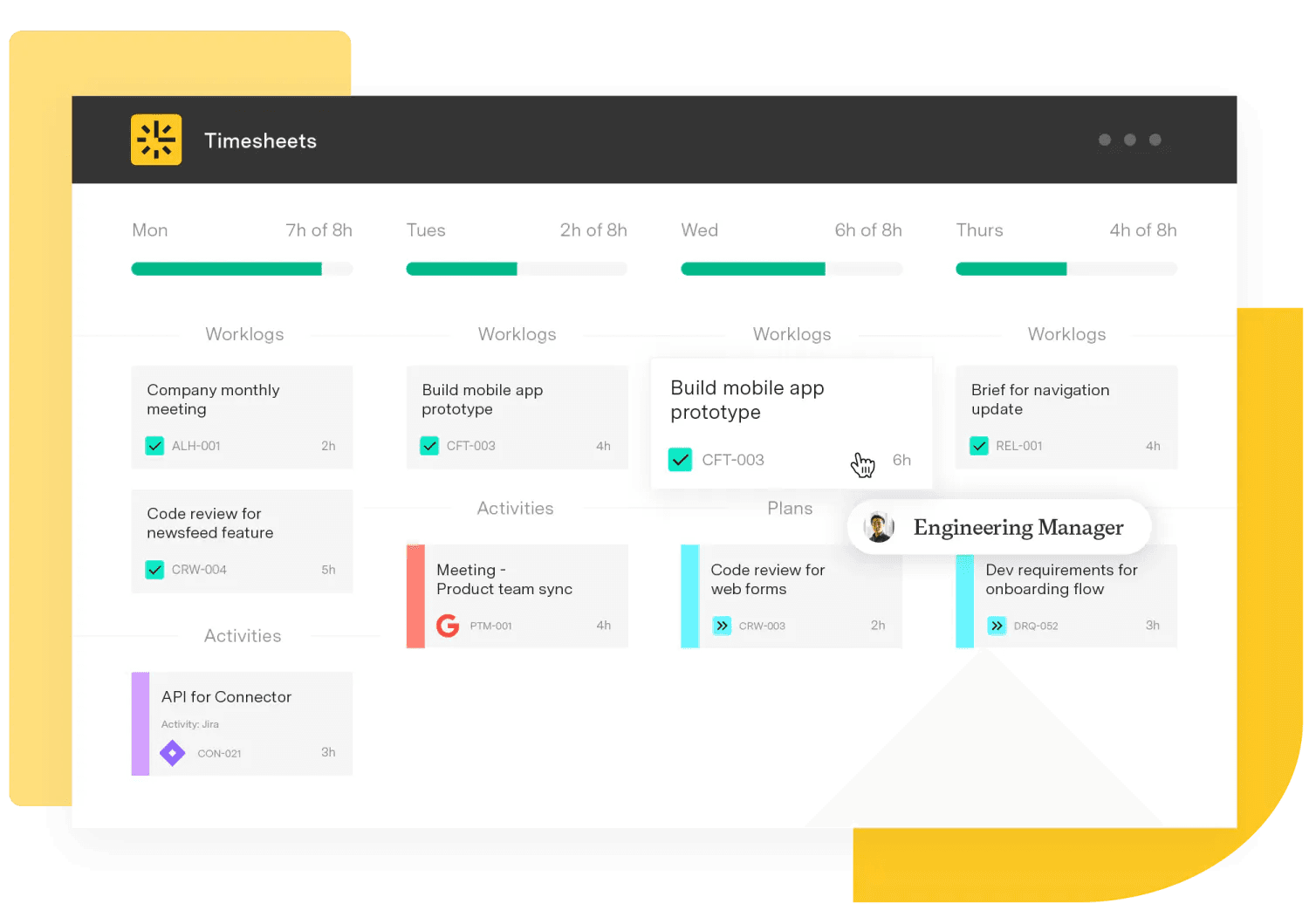
"We've been using Tempo as long as we have had Jira," Baumeister notes. The system captures work logs at the ticket level, providing granular visibility into how time is spent across projects. This data flows through to Microsoft Navision for cost allocation when needed, but the real value lies in the insights it provides.
Beyond basic time tracking, timesheets now serve a strategic purpose: Creating reusable project templates.
"What I'm trying to do is create some project templates–for example, for ERP rollouts or different recurring projects," says Baumeister. "Then we have a blueprint to say this is how the project works, and these are the hours we booked on different tasks. When they have the recurring topic again, they know how much time it will take."
This approach is expanding beyond IT. Marketing and sales departments are beginning to adopt timesheet practices to benchmark their own recurring work, turning historical data into predictive planning tools.
Plugged in, powered up, and perfectly aligned
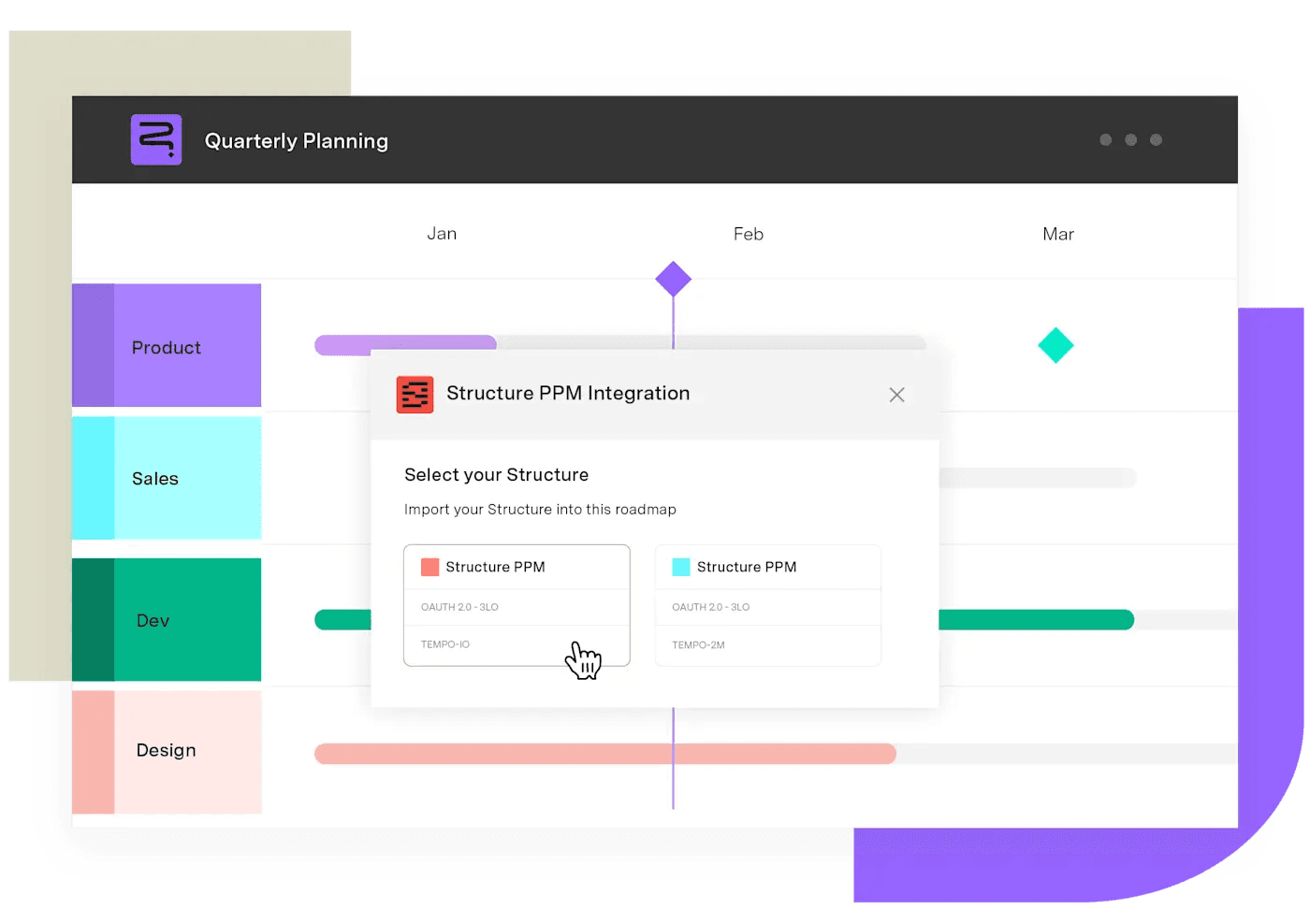
The implementation of Structure transformed how Hammerhaus manages its project portfolio. During IT quarterly meetings, leadership now reviews work directly in Structure, discussing strategic initiatives within a unified hierarchy that connects all projects.
"We have a better overview than only with project summaries and talking," Baumeister says. "We can build those hierarchy levels within Structure and have them all in one big IT structure."
This unified view has improved alignment across departments. Instead of isolated project plans, teams now see dependencies, resource conflicts, and strategic priorities in context.
When asked if the data in Structure influences management decisions, Baumeister’s answer is unequivocal: "Yes, definitely. Particularly during quarterly planning."
How proper tooling unlocked 20% more capacity
Baumeister is candid about the impact of good project management supported by the right tools: "When we make good management of the project, we can handle more projects with the same amount of people."
“Our team can work only four days a week and have the same results with good tooling and with good strategy. That's why we are using Tempo’s tools."
Bastian Baumeister, Consultant for Project Management & Digitalization at Hammerhaus Germany AG
The math is compelling: With proper project management and the right technology stack, The teams at Hammerhaus accomplish in four days what might otherwise take five – a 20% efficiency gain that allows the organization to scale project delivery without scaling headcount proportionally.
Cloud-first and future-ready
Hammerhaus migrated from Atlassian Data Center to Cloud approximately two and a half years ago – around the same time they implemented Structure.
"I'm completely happy with that," Baumeister says. "We prefer the cloud as long as there's no GDPR or other problem that keeps us back from the cloud version."
The company maintains a mostly cloud-first approach across its technology stack, with only a few on-premise services remaining due to specific requirements. This strategy has positioned Hammerhaus to take advantage of continuous improvements and new features without the overhead of managing infrastructure.
Looking ahead: Building best practices into the framework
Baumeister’s work isn't finished. He's currently developing a standardized project management handbook for Hammerhaus employees – essentially creating a framework that combines best practices with their Atlassian tooling.
The company is also exploring Capacity Planner to add deeper resource management capabilities to their existing Structure implementation – another step toward more sophisticated portfolio management.
When asked if he would recommend Tempo's solutions to other organizations, Baumeister doesn't hesitate: "Yes, absolutely. The best project managers need the best tools, and for us that’s Jira, Tempo, and a few other leading apps."
Ready to unify your project portfolio? Discover how Structure, Structure Gantt, and Timesheets can transform your organization's visibility and alignment.